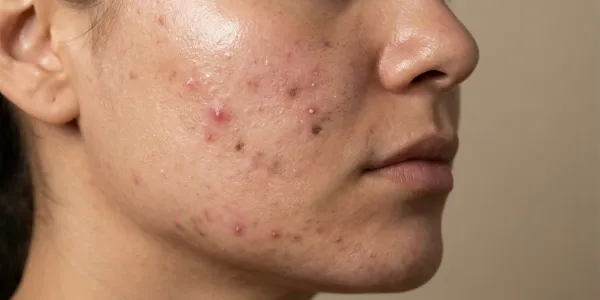
You notice it in the mirror one morning: a small black spot on face that wasn’t there last year, or a shadowy patch that refuses to fade no matter how many creams you try. You are far from alone. Dark spots are one of the most common reasons people visit a skin specialist, especially in sunny, humid regions like North India, where skin is exposed to strong UV light for most of the year.
We break down what is actually happening in your skin, why these spots appear, and which treatments are safe and backed by dermatology. We have drawn on the clinical approach followed by the dermatology team at Prakash Hospital, Greater Noida, so you can make informed decisions before trying anything on your face.
Table of Contents
Pigmentation vs Hyperpigmentation: Understanding the Basics First
Before choosing any treatment, it helps to understand the biology behind your skin colour.
What is pigmentation?
If you have ever wondered what is pigmentation, the simplest answer is this: it is the natural colouring of your skin, hair and eyes. That colour comes from melanin, a pigment produced by cells called melanocytes in the lower layer of the skin. Melanin is not the enemy. It is your body’s built-in sun shield, absorbing UV rays and protecting the DNA in your skin cells.
People with darker skin tones are not born with more melanocytes. Their melanocytes simply make more melanin and make it in larger, darker packets. This is one reason Indian skin tans easily but is also more prone to uneven patches.
What is hyperpigmentation?
So, what is hyperpigmentation? It happens when melanocytes go into overdrive in one area and deposit extra melanin there. The result is a patch or spot that looks darker than the skin around it. It can be brown, grey-brown, bluish, or almost black, depending on how deep the pigment sits.
- Epidermal pigment sits near the surface, looks brown, and usually responds well to treatment.
- Dermal pigment sits deeper, looks greyish or bluish, and takes longer to fade.
- Mixed pigment has both, which is common in melasma.
Hyperpigmentation itself is a sign, not a disease. The real question is what triggered it, and that is what decides the right treatment.
What Really Causes a Black Spot on Face? 7 Common Triggers
Most dark spots have one main trigger, though two or three often work together. Here are the ones dermatologists see most often.
- Sun exposure. UV rays are the single biggest driver of facial pigmentation. Repeated exposure, even on cloudy days or through a car window, gradually leads to sun spots (solar lentigines) on the cheeks, forehead, and nose.
- Acne and skin injury. When a pimple heals, the inflammation can leave behind a flat dark mark. This is called post-inflammatory hyperpigmentation (PIH), and it is especially common in brown skin. Picking or squeezing makes it worse. If breakouts keep returning in one zone, it helps to understand the root cause, for example, the common reasons behind forehead pimples.
- Hormonal changes. Pregnancy, oral contraceptives, and thyroid imbalance can trigger melasma, which appears as symmetrical brown patches on the cheeks, upper lip, and forehead.
- Ageing. As skin ages, pigment production becomes uneven, and years of accumulated sun damage start to show as age spots.
- Friction and irritation. Constant rubbing from masks, spectacles, harsh scrubs, or threading can darken specific areas over time.
- Medicines and products. Some drugs (certain antimalarials, antibiotics and chemotherapy agents) and fragranced cosmetics can cause pigmentation or a reaction to sunlight. Unsupervised use of steroid-based “fairness” creams is a well-known cause of stubborn, damaged, discoloured skin.
- Underlying health conditions. Insulin resistance, nutritional deficiencies (such as low vitamin B12), and some hormonal disorders can show up first as skin darkening.
Genetics also plays a role. If a parent developed melasma or freckles, your chances are higher.
Not All Dark Spots Are the Same: A Quick Comparison
Identifying the type of spot is half the treatment. Use this table as a general guide, but remember that only a dermatologist can confirm the diagnosis, often with a dermoscope or a Wood’s lamp examination.
| Type of spot | How it looks | Common location | Main trigger | Usual treatment approach |
|---|---|---|---|---|
| Post-inflammatory hyperpigmentation (PIH) | Flat brown or black marks where pimples or injuries were | Cheeks, jawline, forehead | Acne, cuts, burns, eczema | Acne control, sunscreen, azelaic acid, retinoids, mild peels |
| Melasma | Symmetrical brown to grey-brown patches with blurry edges | Cheeks, forehead, upper lip, nose bridge | Hormones, UV and visible light, genetics | Strict sun protection, prescription creams, peels, laser toning with caution |
| Sun spots (solar lentigines) | Well-defined, round, light to dark brown spots | Cheeks, nose, temples | Long-term UV exposure | Sunscreen, laser, cryotherapy, peels |
| Freckles | Small, tan to light brown dots that darken in summer | Nose and cheeks | Genetics plus sun | Sun protection, Q-switched or pico laser |
| Dermatosis papulosa nigra (DPN) | Tiny, raised black dots, painless | Cheekbones, around eyes | Genetics, more common in darker skin | Electrocautery or laser removal |
| Blackheads | Small black dots inside pores | Nose, chin, forehead | Oil and dead skin clogging pores | Salicylic acid, retinoids, professional extraction |
| Moles (naevi) | Brown or black spots, flat or raised | Anywhere on the face | Genetics, sun | Monitoring; removal if suspicious or for cosmetic reasons |
Black Dots and Dark Patches Around Nose: Decoding the T-Zone
The nose gets a lot of attention, and for good reason. It sits right in the sun’s path, has some of the largest oil glands on the face, and gets touched far more than we realise.
Those tiny black dots on your nose
When people mention black dots on the nose, they usually mean one of three things:
- Blackheads: pores plugged with oil and dead skin. The tip turns black when it meets air, not because of dirt.
- Sebaceous filaments: greyish dots that are a normal part of oily skin. They refill within days of squeezing, so aggressive extraction only enlarges pores.
- Dermatosis papulosa nigra: small raised black bumps that are harmless but do not go away with scrubs. These need a dermatologist’s procedure.
Why you get dark patches around nose
Dark patches around the nose and on the sides of the nostrils have their own set of causes:
- Melasma spreading from the cheeks onto the nose bridge
- Friction from spectacles, masks, or frequent rubbing during colds and allergies
- Seborrheic dermatitis, which causes flaky, slightly darkened skin in the nasal folds
- Insulin resistance (acanthosis nigricans), which occasionally shows up as velvety darkening on the face
- Reactions to perfumed products or harsh exfoliation
Scrubbing harder never fixes these. If a patch is spreading, itchy, or velvety, get it checked, as it may point to a condition beyond the skin.
Your At-Home Routine for Fading Dark Spots Safely
Mild dark spots, especially recent acne marks, often improve with a consistent routine. Patience matters: skin renews itself roughly every four to six weeks, so give any product at least eight to twelve weeks before judging it.
What helps
- Broad-spectrum sunscreen every day. Choose SPF 30 or higher, reapply every two to three hours outdoors, and prefer tinted mineral formulas with iron oxides, which also block visible light that worsens melasma.
- Vitamin C serum in the morning to brighten and protect against free-radical damage.
- Niacinamide, which reduces the transfer of pigment to the skin surface and calms redness.
- Azelaic acid, a gentle option that also helps acne and is often considered during pregnancy after a doctor’s advice.
- Retinoids at night to speed up cell turnover. Start slowly, two or three nights a week.
- Gentle exfoliation with lactic, glycolic, or mandelic acid, once or twice a week, not daily.
What to avoid
- Lemon juice, baking soda, toothpaste or raw garlic on the face. They irritate the skin and can cause more pigmentation.
- Over-the-counter creams containing steroids or high-strength hydroquinone used without a prescription. These can thin the skin, cause rebound darkening or a bluish discolouration called ochronosis.
- Harsh physical scrubs and frequent facials with steaming and squeezing.
- Picking at pimples or scabs.
If a spot has not lightened after three months of good care, it is time for a professional assessment.
Clinical Pigmentation Treatment: What Dermatologists Recommend
When home care is not enough, a dermatologist can offer stronger, targeted options. A good pigmentation treatment plan always starts with a diagnosis, because the wrong procedure can make some spots darker, particularly in Indian skin types.
- Prescription topical creams. Dermatologists may prescribe hydroquinone, tretinoin, a carefully supervised triple-combination cream, kojic acid, or newer agents like tranexamic acid and cysteamine. Strength and duration are tailored to your skin and reviewed at follow-ups.
- Chemical peels. Glycolic, salicylic, lactic, mandelic, or combination peels remove the pigmented surface layer in a controlled way. A series of four to six sessions spaced two to four weeks apart is typical.
- Laser treatments. Q-switched Nd: YAG and picosecond lasers break pigment into tiny particles that the body clears naturally. They work well for sun spots, freckles, and some cases of PIH. Low-energy laser toning is sometimes used for melasma, but only by experienced hands.
- Microneedling. Often combined with brightening serums or tranexamic acid, it helps with texture and certain types of pigmentation.
- Electrocautery or radiofrequency. The preferred method for raised spots like DPN.
- Oral medicines. For resistant melasma, a doctor may prescribe oral tranexamic acid after checking your medical history. It is not suitable for everyone, so it should never be self-started.
Most people need a combination of treatments plus strict sun protection to see lasting improvement.
Can Pigmentation Be Removed for Good? An Honest Answer
One of the most searched questions is how to remove pigmentation from face permanently. The honest answer depends on the type.
- Sun spots, freckles, DPN, and old acne marks can often be cleared fully. New spots may still form later if the skin is exposed to the same triggers.
- Melasma is a chronic condition. It can be controlled very well, often to the point of being barely visible, but it tends to return with sun, heat, or hormonal shifts. Maintenance is part of the plan.
- Spots caused by an internal condition fade once that condition is treated.
Habits that keep your results
- Wear sunscreen daily, indoors too if you sit near windows.
- Add a wide-brimmed hat and sunglasses on bright days.
- Treat acne early so it does not leave marks.
- Keep your skincare simple and fragrance-free.
- Continue a maintenance cream or occasional peel if your doctor advises it.
- Eat a balanced diet rich in fruits, vegetables, and antioxidants, and manage stress and sleep, since both affect hormones.
When a Black Spot on Face Needs a Specialist’s Eye
Most dark spots are cosmetic, but a few warning signs mean you should book an appointment soon rather than later. See a dermatologist if a spot:
- Changes in size, shape or colour, or has uneven, irregular borders
- Has more than one colour, such as brown, black, red or blue
- Bleeds, itches, crusts, or does not heal
- Appears suddenly in adulthood and grows quickly
- Is larger than about 6 mm (the size of a pencil eraser)
These changes are rarely cancer, but early evaluation is always the safest choice.
Expert skin care at Prakash Hospital, Greater Noida
At Prakash Hospital, every pigmentation concern begins with a detailed consultation and skin examination, not a one-size-fits-all package. The dermatology department offers medical skincare, chemical peels, laser procedures, and minor skin surgery under one roof.
Dr. Mohna Chauhan, dermatologist at Prakash Hospital, looks at the full picture: your skin type, lifestyle, hormonal history, and the products you already use. This personalised approach matters because the right diagnosis does more than the strongest cream, and consistent sun protection is what keeps results from slipping away.
Frequently Asked Questions
1. Why do I suddenly have a black spot on my face?
A new spot is most often caused by sun exposure, a healed pimple, or hormonal changes. If it appeared quickly, is raised, or keeps changing, get it examined by a dermatologist.
2. Are dark spots and hyperpigmentation the same thing?
Dark spots are one visible form of hyperpigmentation. Hyperpigmentation is the broader term for any area where extra melanin makes the skin darker, including patches like melasma.
3. How long does it take for dark spots to fade?
Recent acne marks can lighten in six to twelve weeks with good care. Deeper pigment or melasma may take three to six months of treatment, sometimes longer.
4. Is laser safe for Indian skin?
Yes, when the right laser and settings are chosen by a trained dermatologist. Incorrect settings can cause new pigmentation, so avoid unregulated salons.
5. Can I squeeze the black dots on my nose?
It is best not to. Squeezing can stretch pores, cause infection, and leave marks. Salicylic acid, retinoids or a professional extraction are safer options.
6. Does diet affect skin pigmentation?
Diet alone will not clear spots, but a balanced diet, enough sleep, and good hydration support healing. Some deficiencies, such as low vitamin B12, can cause darkening and are worth checking.
7. Can pigmentation come back after treatment?
It can, especially melasma, if sun protection and maintenance are skipped. Following your dermatologist’s aftercare plan greatly lowers the chance of recurrence.
The Bottom Line: Clearer Skin Starts with the Right Diagnosis
A black spot on face can come from something as simple as an old pimple or as persistent as hormonal melasma. Understanding the cause is what turns months of trial and error into a plan that works. Daily sunscreen, gentle and proven ingredients, and patience solve many mild cases. Deeper or stubborn spots respond best to a dermatologist-guided combination of creams, peels, or lasers.
If dark spots are affecting your confidence, or you have noticed a spot that is changing, book a consultation with Dr. Mohna Chauhan at Prakash Hospital, Greater Noida, for an expert assessment and a treatment plan made for your skin.

- Black Spot on Face - November 4, 2026
- What Is Pigmentation? - November 3, 2026
- Hair Dandruff Solution - October 29, 2026