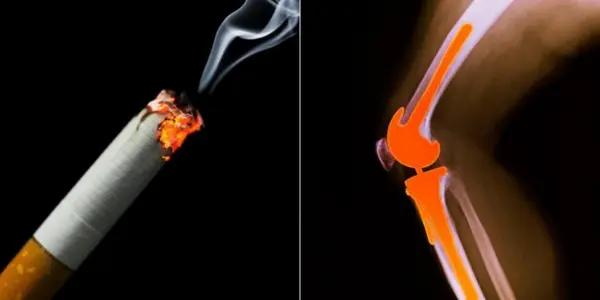
Tobacco plays a major role in increasing the risk of oral cancer and affects thousands of people each year. Understanding how tobacco use leads to oral cancer is essential for early detection and effective treatment. The harmful chemicals in tobacco cause gradual changes in the cells of the mouth, which can develop over time into cancer if left unnoticed.
The progression from tobacco use to oral cancer does not happen overnight. It is a step-by-step process involving cell damage that can often be managed or even reversed when identified early. Paying attention to warning signs such as persistent mouth sores, white or red patches, difficulty chewing or swallowing, unexplained bleeding, or changes in voice is crucial—especially for tobacco users.
Raising awareness, quitting tobacco, and seeking timely medical advice significantly improve outcomes. Early diagnosis combined with proper medical care can help control the disease, reduce complications, and improve overall quality of life.
Oral Cancer Symptoms Every Tobacco User Should Know
Spotting the symptoms of oral cancer early can boost chances of successful treatment and survival. Oral cancer often starts with changes in squamous cells within the mouth. Tobacco causes these changes to speed up. The FDA states tobacco is a major risk for causing various oral cancers that affect the mouth, throat, and nearby regions.
Many people who use tobacco don’t notice important signs of oral cancer until it’s advanced. Common early signs include mouth sores that don’t heal after two weeks white or red spots in the mouth, and teeth that become loose for no clear reason. These signs often show up , so people might mistake them for small problems.
Knowing how smoking harms bones and joints is crucial since using tobacco leads to widespread health issues. These issues can make cancer treatments harder to manage. Besides oral cancer, effects of smoking in bones and joints causing more health problems for people who have used tobacco for a long time. This can influence recovery and limit treatment options.
How to Detect Oral Cancer: Early Screening Methods
Spotting oral cancer through self-checks and professional exams is essential to act . Doctors suggest specific methods to identify oral cancer during regular visits. However, people can also check themselves at home using simple techniques.
The screening process requires both looking at and feeling the inside of the mouth. Dentists and hygienists use a range of tools to check for issues. These include looking, taking a small tissue sample if needed (oral biopsy), using exfoliative cytology, or advanced imaging tools. Studies show 85% of dentists and 78% of dental hygienists give yearly oral cancer checks to patients who are 40 years or older.
Special clinics offer more advanced methods like narrowband imaging or toluidine blue staining. These can spot areas of concern that regular checks might miss. These techniques are helpful to detect problems in people who have used tobacco in the past.
Risk Factors and Early Warning Signs: A Comprehensive Overview
| Risk Factor | Impact Level | Early Warning Signs | Detection Method |
| Cigarette Smoking | Very High | Persistent mouth sores, white patches | Visual examination, biopsy |
| Chewing Tobacco | Very High | Red/white patches, loose teeth | Professional screening |
| Cigar Use | High | Difficulty swallowing, hoarseness | Oral examination |
| Smokeless Tobacco | High | Leukoplakia, gum irritation | Regular dental check-ups |
| Combined Tobacco + Alcohol | Extremely High | Multiple symptoms, rapid progression | Immediate medical evaluation |
| HPV Infection | Moderate | Throat discomfort, swollen lymph nodes | Specialized testing |
Chewing Tobacco Cancer Symptoms: Special Considerations
Symptoms of chewing tobacco-related cancer are not the same as those tied to smoking. People who use smokeless tobacco often face early gum cancer, which can start as small painless lumps or long-lasting gum irritation.
Tobacco users who rely on smokeless products might notice signs of oral cancer like white or red patches where the tobacco rests, unhealed sores on their gums or cheeks, or shifts in how their teeth align. These signs of tobacco-related oral cancer need quick evaluation by trained healthcare providers.
People who use smokeless tobacco should watch for any unusual changes in their mouth. Early symptoms of oral cancer caused by chewing tobacco are often small and might go unnoticed. Checking your mouth and visiting a doctor for screenings is important for those at risk.
Expert Cancer Care in Greater Noida: Prakash Hospital’s Approach
Prakash Hospital has the Best cancer treatment expert in Greater Noida offering advanced care for cancers caused by tobacco use. Since it was founded in 2001, this NABH and NABL certified hospital has provided complete cancer treatment with a team of over 100 skilled doctors from different medical fields.
The oncology team collaborates with the pulmonology department to manage the complicated health problems tobacco users face. With the best pulmonologist in Greater Noida, the hospital ensures that patients get full care for respiratory problems and other health issues linked to tobacco.
Dr. Anand Vardhan works as a Consultant Pulmonologist at Prakash Hospital. He focuses on treating respiratory and critical care conditions. He performs advanced medical procedures like bronchoscopy and thoracoscopy. To treat lung cancer, he follows a combined approach and works with oncologists to give complete care. This teamwork helps Prakash Hospital stand out as a pulmonology hospital in Greater Noida.
The hospital holds a 4.5 out of 5-star rating from 80 patient reviews. It provides advanced facilities, including up-to-date operation rooms, ICUs, a blood bank, and emergency services. These features make it a top option for people looking to find the Best Oncologist in the area for cancer treatments.
Prevention and Early Intervention Strategies
Stopping oral cancer starts with prevention. The NCBI highlights taking strong steps like quitting tobacco and cutting back on alcohol. Eating more fruits and vegetables also improves oral health and lowers risks.
To catch issues early regular visits to the dentist and professional screenings play a big role. Visiting a skilled pulmonologist in Greater Noida can address both lung and oral health if someone has used tobacco in the past.
For smokers noticing signs of oral cancer should mean seeing a doctor right away. Acting makes treatment work better and keeps things from getting too complicated.
Conclusion
Tobacco use can lead to oral cancer, but early warning signs often appear and should not be overlooked. Spotting these signs and learning how to detect oral cancer could save lives by allowing timely treatment. People in Greater Noida and Noida can rely on Prakash Hospital to provide expert medical care and assess any troubling symptoms.
If you notice symptoms of oral cancer or are worried about health risks linked to tobacco, act now. Reach out to Prakash Hospital to book an appointment with the top cancer treatment experts in Greater Noida and take an essential step to safeguard your health.

- Skin Allergy Symptoms: Early Warning Signs You Should Never Ignore - October 13, 2026
- Reasons for Dry Skin - October 10, 2026
- Hyperpigmentation Vitamin B12 Deficiency - October 6, 2026