
Low Birth Weight (LBW) Babies: Symptoms, Care, Treatment & Prevention
Low birth weight (LBW) babies need special medical attention because they are more likely to face infections, feeding problems, and developmental delays. If your baby weighs less than 2.5 kg at birth, early monitoring by an best pediatrician Greater Noida can greatly improve long-term health. In India, nearly 1 in 5 babies is born with low birth weight, so knowing how to care for an LBW baby is important for every family.
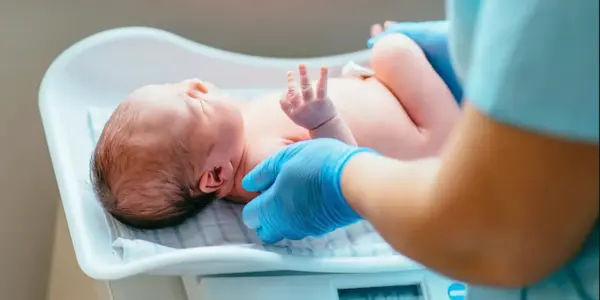
At Prakash Hospital, Greater Noida, our pediatric and neonatal specialists focus on early diagnosis, preventive care, and modern treatment to support the healthy growth of low birth weight babies in Greater Noida and Noida.
Table of Contents
What Is Considered Low Birth Weight?
A newborn is considered low birth weight if they weigh less than 2500 grams (2.5 kg or 5.5 pounds) at birth, whatever the week of pregnancy they were born. A baby weighing exactly 2500 grams is at the lower edge of normal. A healthy newborn usually weighs between 2.5 and 4 kg. LBW babies may be:
- Preterm babies (born before 37 weeks)
- Full-term but small babies whose growth was restricted in the womb
- Babies affected by the mother’s health problems, such as anemia, high blood pressure, or poor nutrition
An early consultation with a pediatrician can help parents to understand the risks that could be present and the necessary treatment plans.
Types of Low Birth Weight Babies (Weight in Kg)
| Type | Birth Weight | In Kg |
|---|---|---|
| Normal birth weight | 2500–4000 grams | 2.5–4 kg |
| Low birth weight (LBW) | Less than 2500 grams | Below 2.5 kg |
| Very low birth weight (VLBW) | Less than 1500 grams | Below 1.5 kg |
| Extremely low birth weight (ELBW) | Less than 1000 grams | Below 1 kg |
Doctors also group LBW babies by cause:
- Preterm LBW: Born early (before 37 weeks); the baby is small because it had less time to grow
- Small for gestational age (SGA) / growth-restricted: Born on time or early, but smaller than expected for the weeks of pregnancy because growth slowed in the womb.
The smaller and earlier the baby, the more care they need. Very low birth weight and extremely low birth weight babies almost always need NICU care.
What Causes Low Birth Weight?
Common causes include:
- Premature birth (the most common cause)
- Mother’s anaemia or poor nutrition during pregnancy
- High blood pressure or preeclampsia
- Placenta problems that reduce the baby’s food and oxygen supply
- Twins or triplets
- Mother’s age: under 18 or over 35
- Short gap between pregnancies (less than 2 years)
- Infections during pregnancy
- Tobacco, smoke exposure, or alcohol
- Poorly controlled diabetes, thyroid, or kidney disease
Why Are Low Birth Weight Babies at Higher Risk?
Infants born with low birth weights could be afflicted with:
- An immune system that is not fully developed
- Immature lungs and digestive system
- Difficulty keeping body temperature stable
- A higher chance of delayed brain development
Well-planned newborn care in a pediatric hospital with a NICU or a specially-trained facility within Greater Noida can prevent serious complications.
Signs, Symptoms and Characteristics of a Low Birth Weight Baby
The main sign of low birth weight is a birth weight under 2.5 kg. Other clinical features include:
Physical Characteristics
- Small body size, with the head looking large compared to the body
- Thin, shiny, or reddish skin with visible veins (especially in preterm babies)
- Very little fat under the skin
- Fine body hair (lanugo) in premature babies
- In growth-restricted babies: loose, wrinkled skin and a thin, “wasted” look
Symptoms Parents May Notice
- Weak cry and low activity
- Weak sucking and difficulty feeding
- Feeling cold easily
- Fast, irregular breathing or pauses in breathing
- Yellowing of skin (jaundice)
- Slow weight gain
Low Birth Weight Baby Complications: Common Health Issues
Here are the most common health problems in LBW babies:
1. Breathing Problems
Premature lungs may not have enough surfactant, resulting in Respiratory Distress Syndrome (RDS). Signs and symptoms are:
- Rapid breathing
- Retractions in the chest
- Skin tone with a bluish tint
A prompt medical oversight by the neonatal specialist is vital. The advanced NICU care within Prakash Hospital, Greater Noida assures the stability of respiratory health.
2. Feeding and Digestive Problems
LBW babies are often struggling with:
- Weak sucking
- Poor coordination of sucking, swallowing, and breathing
- Slow weight gain
- Higher risk of necrotizing enterocolitis (NEC), a serious bowel problem
Special feeding plans supervised by a pediatrician help the baby gain weight safely.
3. Infections and low immunity
Because the immune system of LBW babies is not yet mature, LBW infants are more susceptible to
- Sepsis
- Pneumonia
- Urinary tract infections
- Skin infections
Timely vaccinations and strict hygiene, like handwashing before touching the baby, are vital.
4. Hypothermia (Low Body Temperature)
Due to the lack of body fat, LBW infants cannot regulate the temperature efficiently. Some indicators are:
- Cold hands
- feet
- body
Skin-to-skin contact, known as Kangaroo Mother Care (KMC), is highly recommended.
5. Hypoglycemia (Low Blood Sugar)
Babies born with low birth weight are at risk for low blood sugar, which could result in:
- Tremors
- Irritability
- Seizures (in severe cases)
Regular blood sugar checks and frequent feeds, supervised by a pediatrician, reduce the risk of brain injury.
6. Jaundice
While common in newborns, LBW babies may develop more severe jaundice due to immature liver function. If not treated, it can impact brain development.
Phototherapy (light treatment) is available in the NICU at Prakash Hospital.
7. Developmental Delays
Some LBW babies may experience:
- Delayed motor skills
- Speech delay
- Learning challenges
- Problems with behavior
Regular developmental screenings ensure the early intervention and therapy necessary.
8. Heart-related complications
Some premature babies have Patent Ductus Arteriosus (PDA), a blood vessel near the heart that stays open after birth. It often closes on its own or with medicines. Rarely, a procedure by a pediatric heart specialist or surgeon is needed.
Health Risks in Low Birth Weight Babies: Quick Guide
| Health Risk | Common Symptoms | How It’s Detected | Prevention / Management |
|---|---|---|---|
| Breathing difficulty | Fast breathing, chest pulling in | Oxygen level monitoring | NICU breathing support |
| Hypothermia | Cold skin, weak cry | Temperature checks | Kangaroo Mother Care, keeping baby warm |
| Infections | Fever or low temperature, poor feeding | Blood tests | Strict hygiene and vaccination |
| Hypoglycemia | Sleepiness, jitteriness | Blood sugar checks | Frequent, on-time feeds |
| Jaundice | Yellow eyes or skin | Bilirubin test | Early phototherapy |
| Developmental delay | Late milestones | Growth and milestone checks | Early therapy programmes |
Treatment of Low Birth Weight Baby
Treatment depends on the baby’s weight, maturity, and health:
- Keeping the baby warm: Kangaroo Mother Care, warmers, or incubators
- Feeding support: Breast milk is best. Small, frequent feeds by breast, spoon (paladai), or feeding tube, and breast milk fortifier if needed.
- Breathing support: Oxygen, CPAP, or a ventilator for babies with breathing problems
- Monitoring: Daily weight, blood sugar, temperature, and jaundice checks
- Infection prevention: Strict hygiene, and antibiotics if infection is suspected
- Supplements: Vitamin D, iron, and other supplements as prescribed
- Screening: Eye (ROP) and hearing tests before or after discharge
Babies are usually ready to go home when they keep warm on their own, feed well by mouth, and gain weight steadily.
Low Birth Weight Baby Care Plan at Home
- Kangaroo Mother Care: Hold the baby skin-to-skin on the mother’s (or father’s) chest for as many hours as possible, ideally 8 hours or more a day.
- Feeding: Breastfeed every 2–3 hours, including at night. Don’t skip feeds.
- Warmth: Keep the baby covered, with a cap and socks. Avoid bathing until advised; sponge instead.
- Hygiene: Wash hands before touching the baby, and keep visitors to a minimum.
- Weight checks: Weigh the baby weekly, or as your doctor advises.
- Vaccinations: Follow the vaccination schedule on time.
- Danger signs: Know the warning signs listed in “When to See a Doctor Immediately.”
Prevention of Low Birth Weight Baby: Tips for Mothers
Not every case can be prevented, but many risks of low birth weight can be reduced with good care before and during pregnancy.
1. Regular Check-ups at the Antenatal Clinic
Frequent pregnancy monitoring helps detect:
- High blood pressure
- Gestational diabetes
- Placental problems
Selecting a hospital that is well-equipped like Prakash Hospital, Greater Noida will ensure the safety of neonatal and maternal treatment.
2. Healthy Nutrition during Pregnancy
Expecting mothers should eat and take:
- Iron-rich foods and iron-folic acid (IFA) tablets as prescribed
- Protein at every meal (dal, milk, eggs, paneer)
- Folic acid and calcium supplements
- Enough water and rest
A healthy diet for mothers directly affects the development of a fetus.
3. Avoid Tobacco, Smoke, and Alcohol
Smoking, chewing tobacco (gutkha, khaini), second-hand smoke, and alcohol all increase the chance of low birth weight and premature birth.
4. Manage chronic medical conditions
Conditions that include:
- Thyroid disorders
- Diabetes
- Hypertension
These should be well controlled with regular medical care.
5. Plan Delivery at a Hospital With a NICU
Pregnancies with high risk of complications should be handled in a facility equipped with NICU facilities, with pediatric specialists available when needed.
Health Education on Low Birth Weight Baby: Key Messages for Families
For mothers-to-be:
- Register your pregnancy early and attend all antenatal check-ups.
- Take iron-folic acid and calcium tablets regularly as prescribed.
- Eat an extra meal a day during pregnancy and rest well.
- Avoid tobacco in any form and smoke from chulhas or smokers.
- Keep at least 2–3 years between pregnancies.
- Deliver in a hospital with newborn care facilities.
For parents of an LBW baby:
- Practise Kangaroo Mother Care daily.
- Breastfeed often and exclusively for 6 months unless the doctor advises otherwise.
- Keep the baby warm and clean.
- Never miss follow-up visits or vaccinations.
- Seek help immediately if you notice any danger sign.
When to See a Doctor Immediately
Take your baby to a pediatrician immediately if you notice:
- Breathing difficulties
- Poor feeding or vomiting
- Persistent fever
- Yellow skin or eyes
- Baby is less active or very sleepy
- Delayed milestones
Early intervention can improve the chances of survival and development outcomes.
Importance of Specialized Pediatric Care
Choosing an experienced paediatric institution Noida or neonatal centre will ensure:
- 24/7 NICU assistance
- Advanced monitoring equipment
- Multidisciplinary team approach
- Access to pediatric surgeons Noida
- Programs for long-term follow-up
Prakash Hospital, Greater Noida offers a full range of infant care under highly skilled pediatric specialists.
Case Study: A Low Birth Weight Baby’s Recovery at Prakash Hospital
Patients Profiles:
Baby Aarav was born at 34 weeks with a birth weight of 1.9 kg.
Initial Challenges:
- Breathing difficulty
- Feeding intolerance
- Mild jaundice
Medical Method:
- NICU admission
- Oxygen support for up to 48 hours
- Plan for gradual feeding
- Phototherapy to treat jaundice
Outcome:
After 14 days of closely monitored care, Aarav was gaining weight steadily and was discharged with a regular follow-up plan with his pediatrician.
At 12-month reviews:
- Normal percentile of growth
- Age-appropriate milestones
- No neurological issues
Parent Feedback:
“The medical staff of Prakash Hospital, Greater Noida helped us through every step. Regularly scheduled consultations helped us feel more confident regarding our baby’s development.”
Long-Term Follow-Up for Low Birth Weight Babies
LBW babies require regular evaluation to determine:
- Charts of growth tracking
- Hearing and vision screening
- Assessments of developmental milestones
- Counseling for nutrition
- Eye check for retinopathy of prematurity (ROP) in babies born under 2 kg or before 34 weeks
Regular check-ups with a reputable pediatric clinic located in Greater Noida ensure early detection of any potential issues.
Frequently asked questions (FAQ)
1. Can low birth weight babies be healthy?
Yes. With the right newborn care, good feeding, and regular check-ups, many LBW babies grow well and reach normal milestones.
2. How often should a low birth weight baby see the doctor?
In the beginning, biweekly or weekly visits might be required. Your pediatrician will tailor the program.
3. Is NICU admission always needed for LBW babies?
Not always. Many babies between 1.8 and 2.5 kg who breathe and feed well can stay with the mother. Smaller or sick babies need NICU care.
4. When does an LBW baby need a pediatric surgeon?
If a congenital anomaly or hernias, intestinal issues or heart-related structural issues are found, a child surgery consultation might be recommended.
5. Does breastfeeding aid babies with low birth weight?
Yes. Breast milk boosts immunity and helps promote healthy growth. Doctors might suggest fortified milk in certain situations.
6. Are developmental delays permanent?
Not necessarily. Early intervention therapies can significantly enhance outcomes.
How to Choose the Right Pediatrician for Your LBW Baby
If you are considering the pediatric doctor, you should consider:
- Experience in neonatal health
- The availability of NICU
- Multidisciplinary assistance
- Transparent communication
- Positive patient outcomes
Prakash Hospital, Greater Noida is dedicated to providing evidence-based, pediatric care that is in line with ethical standards for medical care and safety guidelines for patients.
Final Thoughts
Low birth weight babies need special attention and medical care, and with the right support, most go on to live healthy, happy lives. Prevention during pregnancy, early detection, and regular follow-ups are the keys to avoiding complications.
If you’re looking for the most renowned pediatric doctor in Greater Noida, Prakash Hospital offers a wide range of newborn services that are supported by a modern neonatal infrastructure and skilled experts. Families living in Greater Noida and those seeking an experienced Paediatric Hospital Noida can count on the expert care that is tailored to the needs of each newborn.

- How to Get Fair Skin - September 28, 2026
- Best Hand Creams for Dry Skin - September 24, 2026
- Best Skincare for Oily Skin - September 22, 2026
1 Comment
Comments are closed.