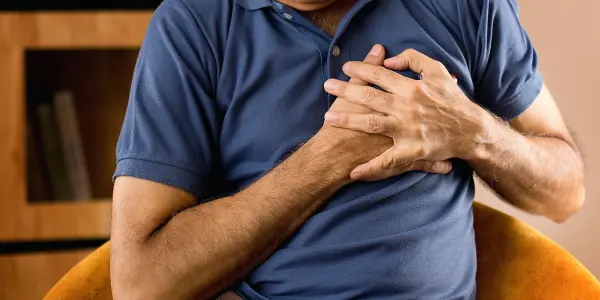
Chest pain is one of the most alarming symptoms a person can experience. While not every case of chest discomfort is serious, it can sometimes indicate a life-threatening heart condition that requires immediate medical attention. Understanding when to seek help from a cardiology hospital can make a critical difference in saving lives.
Many people ignore mild chest pain, assuming it is caused by gas, stress, or muscle strain. However, delaying proper diagnosis can increase the risk of complications. This guide explains when chest pain is dangerous, when you should visit a cardiology hospital and how to respond effectively.
Table of Contents
What Is Chest Pain and Why Does It Occur?
Chest pain refers to any discomfort or pain felt in the chest area. It can vary from a sharp stabbing sensation to a dull ache or tight pressure.
Common Causes of Chest Pain:
- Heart-related issues (heart attack, angina)
- Acid reflux or indigestion
- Muscle strain or injury
- Lung conditions (infection or inflammation)
- Anxiety or panic attacks
Not all chest pain is heart-related, but it is important not to ignore symptoms without proper evaluation.
When Should You Visit a Cardiology Hospital for Chest Pain?
Not every chest pain requires emergency care, but certain warning signs indicate that you should immediately visit a cardiology hospital.
Seek Immediate Medical Attention If You Experience:
- Severe or crushing chest pain
- Pain spreading to arms, neck, jaw, or back
- Shortness of breath
- Sweating or dizziness
- Nausea or vomiting
- Irregular heartbeat
These symptoms may indicate a heart attack or other serious cardiac condition that needs urgent care.
Types of Chest Pain You Should Never Ignore
Understanding the nature of your chest pain can help identify whether it is serious.
1. Cardiac Chest Pain (Heart-Related)
- Feels like pressure, tightness, or squeezing
- Often triggered by physical activity or stress
- May radiate to other parts of the body
2. Non-Cardiac Chest Pain
- Sharp or localized pain
- Often related to digestion or muscle issues
- May worsen with movement or breathing
3. Sudden Severe Pain
- Could indicate a heart attack or lung issue
- Requires immediate emergency care
If you are unsure, it is always safer to consult a cardiology hospital.
What Happens at a Cardiology Hospital for Chest Pain?
A cardiology hospital is equipped with specialized tools and experts to diagnose and treat heart-related conditions quickly.
Common Diagnostic Tests:
- ECG (Electrocardiogram)
- Blood tests
- Chest X-ray
- Echocardiogram
- Stress test
Treatment Options May Include:
- Medications to stabilize heart condition
- Emergency procedures (angioplasty)
- Lifestyle recommendations
- Long-term cardiac care
Early diagnosis helps prevent complications and improves recovery outcomes.
Risk Factors That Increase the Need for Immediate Care
Some individuals are at higher risk of heart-related chest pain and should be extra cautious.
High-Risk Groups:
- People with high blood pressure
- Diabetes patients
- Smokers
- Individuals with high cholesterol
- Family history of heart disease
- People over 40 years of age
If you fall into any of these categories, do not ignore even mild chest pain.
Data Table: Chest Pain Warning Signs vs Action
| Symptom Type | Possible Cause | Recommended Action |
| Mild, occasional pain | Gas or muscle strain | Monitor and consult doctor if persistent |
| Burning sensation | Acid reflux | Try medication, seek advice if frequent |
| Tightness or pressure | Heart-related issue | Visit cardiology hospital immediately |
| Severe sudden pain | Heart attack or lung issue | Call emergency services |
Common Causes Behind Serious Chest Pain
Chest pain linked to heart conditions can arise due to several medical issues.
1. Coronary Artery Disease
Blocked arteries reduce blood flow to the heart, causing pain and discomfort.
2. Heart Attack
Occurs when blood flow to the heart is completely blocked, leading to severe chest pain.
3. Angina
Temporary chest pain caused by reduced blood flow during physical activity or stress.
4. Pulmonary Conditions
Lung infections or blood clots can also cause chest pain similar to heart-related issues.
Symptoms to Watch Carefully
Recognizing early symptoms can help prevent serious complications.
- Persistent chest discomfort
- Pain during physical activity
- Shortness of breath
- Fatigue or weakness
- Rapid or irregular heartbeat
Early detection leads to better treatment outcomes.
Treatment Options for Chest Pain
Treatment depends on the underlying cause of the chest pain.
1. Emergency Treatment
- Oxygen support
- Blood-thinning medications
- Immediate cardiac procedures
2. Medical Management
- Prescribed medications
- Regular monitoring
- Lifestyle modifications
3. Preventive Care
- Healthy diet
- Regular exercise
- Stress management
Daily Habits to Reduce Risk of Heart Problems
Adopting a healthy lifestyle can significantly reduce the chances of serious chest pain.
Healthy Lifestyle Tips:
- Eat a balanced, heart-friendly diet
- Exercise regularly (at least 30 minutes daily)
- Avoid smoking and alcohol
- Manage stress effectively
- Maintain a healthy weight
Recovery and Treatment Timeline
| Condition Severity | Estimated Recovery Time |
| Mild (non-cardiac) | Few days to weeks |
| Moderate (angina) | Weeks to months |
| Severe (heart attack) | Several months with care |
Recovery depends on early diagnosis and proper treatment.
Cost of Treatment in a Cardiology Hospital (India)
| Treatment Type | Estimated Cost (INR) |
| Consultation | ₹500 – ₹2,000 |
| ECG Test | ₹200 – ₹800 |
| Angiography | ₹10,000 – ₹25,000 |
| Angioplasty | ₹1.5 – ₹3.5 Lakhs |
Costs vary depending on hospital, city, and severity of the condition.
How to Choose the Right Cardiology Hospital
- Check hospital reputation and facilities
- Look for experienced cardiologists
- Ensure emergency care availability
- Read patient reviews
- Compare treatment costs
Choosing the right hospital ensures better diagnosis and treatment outcomes.
Frequently Asked Questions
Q1. Is all chest pain related to heart problems?
No, chest pain can also be caused by digestion, muscle strain, or anxiety.
Q2. When should I worry about chest pain?
If it is severe, persistent, or accompanied by other symptoms like breathlessness or sweating.
Q3. Can young people have heart-related chest pain?
Yes, especially with risk factors like stress, smoking, or poor lifestyle.
Q4. Should I go to a cardiology hospital for mild chest pain?
If it persists or occurs frequently, it is better to consult a specialist.
Q5. What is the first test done in a cardiology hospital?
An ECG is usually the first test to check heart activity.
Conclusion
Chest pain should never be ignored, especially when it is severe, persistent, or accompanied by symptoms like breathlessness, sweating, or dizziness. While not all chest pain is life-threatening, timely evaluation at a specialized cardiology hospital can help detect serious heart conditions early and prevent complications.
If you or your loved ones are experiencing chest discomfort, don’t take risks with your heart health. Get expert diagnosis and advanced cardiac care at Prakash Hospital, where experienced cardiologists and modern facilities ensure accurate treatment and patient safety.
If you notice any warning signs, visit Prakash Hospital immediately or book a consultation to safeguard your heart. Early care can save lives—don’t wait until it’s too late.

- How to Remove Pigmentation From Face Permanently - October 19, 2026
- Back Acne - October 16, 2026
- Skin Allergy Symptoms: Early Warning Signs You Should Never Ignore - October 13, 2026