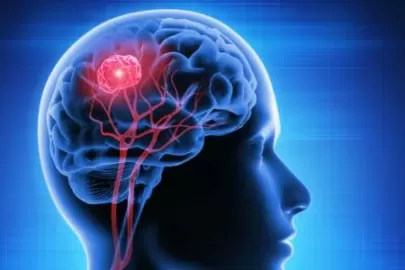
Families with a history of brain tumors have long questioned whether genetics play a role in these serious conditions. Recent studies now offer clear answers confirming important genetic links that many in the medical field once overlooked. Prakash Hospital, a top Neurology facility in Greater Noida sees how learning about brain tumor genetics can change the way patients are treated and how families make important healthcare and life choices.
Genetics and brain tumors share a close connection marking a huge step forward in modern neurology. Research from Stanford Medicine has uncovered more than 50 genes linked to glioma. This work is reshaping how experts handle diagnosing and treating brain tumors. The discovery matters to families in Greater Noida and nearby regions with multiple cases of brain tumors in their history.
Understanding Brain Cancer: The Role of Genetic Factors
To understand brain cancer, you need to look at how both genetic and environmental factors lead to tumor formation. Recent research shows people with a family history of brain cancer are twice as likely to be diagnosed compared to others. This highlights how much genetics affects the chances of developing a brain tumor.
The development of brain tumors often ties back to crucial mutations in specific genes, which scientists have found after conducting detailed studies. Genes like POT1, HERC2, BRIP1, and POLE all play a big part in raising the chances of inherited glioma. These genetic differences explain between 7% and 14% of inherited glioma cases proving that genetics have a big role in causing brain tumors.
Studies show that around 5% of gliomas run in families affecting several relatives over generations. This evidence challenges older beliefs from the medical field that viewed such family trends as pure chance. The Brain Tumor Epidemiology Consortium stresses the need to do large-scale genome-wide association studies to uncover these important genetic links.
Can Brain Tumors Be Hereditary? Latest Research Findings
Families often ask if brain tumors can run in the family after seeing multiple relatives affected. According to recent studies, the answer is yes. Researchers have pinpointed five genetic variations tied to a higher risk of inherited brain tumors. These include changes in genes like CCDC26, TERT, CDKN2A, RTEL1, and PHLDB1.
It is alarming that about one out of every four kids with brain tumors has genetic mutations that raise their risk for cancer. , 23.3% of these cases in children involve gene changes connected to a higher chance of developing cancer. This discovery emphasizes why families with a history of brain tumors should consider genetic testing.
The study shows that some genetic conditions bring a higher chance of brain tumors. Examples are neurofibromatosis, Li-Fraumeni syndrome, and Von Hippel Lindau syndrome. These conditions make it much more likely for brain tumors to form over someone’s lifetime.
Case Study: The Davis Family Experience
The lives of Carrie Davis Lebovich and Hadley Rierson shed light on how inheriting brain tumors can affect families. Their dad and grandmother both passed away from glioblastoma, but doctors at first ignored any idea of a family link. Without this connection recognized, their family missed out on important genetic advice and checks.
When the sisters joined research studies later on, their case confirmed that hereditary factors played a role in their family’s history of brain tumors. Their story shows the emotional struggles of living with inherited risks and why genetic testing and regular check-ups matter for families who might be at risk.
The Davis family’s experience shows that participating in research can both improve scientific knowledge and give families vital details about their own genetic risks. Their journey underlines the importance of seeking help from specialized centers that understand brain tumor genetics and offer the right screenings and care.
This case also shows why access to genetic counseling is so important. These services help families understand their risk and make smart choices about tracking their health and taking preventive steps. The emotional backing from these counselors can be a lifeline for families facing hereditary cancer threats.
Expert Neurologist for Comprehensive Neuro Treatment
People who need the Neurology hospital in Greater Noida can rely on the expert care provided by the neurology department at Prakash Hospital. The skilled neurologists here focus on understanding how genetics and brain tumors are connected and offer personalized treatments as well as advanced diagnostic support.
Prakash Hospital uses modern technology like MRI, CT scans, and EEG to detect brain tumors and ensure precise diagnoses. The hospital also provides round-the-clock emergency neurological care so patients can get fast help when symptoms appear. Quick responses can make a big difference in treatment results.
The hospital uses a team-based approach by involving neurologists, neurosurgeons, oncologists, and genetic counselors to deliver well-rounded care. This collaborative effort helps patients get both treatment for their existing condition and advice on genetic risks and family screening.
Advanced Neuro Surgery: Treatment Options
Prakash Hospital in Greater Noida offers advanced neuro surgery in Greater Noida, supported by modern facilities and skilled surgical experts. The neurosurgery team uses cutting-edge tools and techniques to deliver effective treatment, helping patients achieve the best outcomes in brain tumor care.
The surgical team focuses on different neurosurgical methods handling everything from less invasive approaches to advanced tumor removal surgeries. They have experience managing both inherited and non-inherited brain tumors paying close attention to how genetic details can shape treatment options and long-term care plans.
Why Choose a Trusted Multispeciality Hospital for Your Care
Prakash Hospital is known as the Best multispeciality hospital in Greater Noida providing complete neurological care all in one place. This unified method works well for patients with inherited brain tumors, who often need constant checkups and support from various specialists.
The hospital offers genetic counseling to help families learn about their risk factors and set up proper screening plans. This service is a vital resource for families facing hereditary brain tumor risks giving them medical advice and emotional support through their healthcare process.
Statistical Overview: Brain Tumor Genetics Data
| Genetic Factor | Percentage/Risk Level | Research Source |
| Familial gliomas | 5% of all gliomas | Brain Tumor Epidemiology Consortium |
| Increased risk with family history | 2x higher risk | Stanford Medicine Research |
| Pediatric cases with genetic variants | 23.3% | Recent genetic studies |
| Inherited glioma risk from identified variants | 7-14% | Genetic association studies |
| Genes associated with glioma | 50+ identified | Stanford Medicine |
Frequently Asked Questions
Q: Do all brain tumors pass down through families?
A: No, brain tumors are not always hereditary. Studies reveal that about 5% of gliomas run in families. People with a family history face twice the risk compared to others.
Q: What genetic tests help find brain tumor risks?
A: Genetic tests can detect changes in genes such as POT1, HERC2, BRIP1, and POLE. Experts suggest these tests when families have several cases of brain tumors.
Q: Should children undergo testing if there is a family history of brain tumors?
A: Experts suggest seeking genetic counseling when there is a history of brain tumors in the family. About one in four kids diagnosed with brain tumors have genetic variations that raise their cancer risk. Starting screenings can be helpful.
Q: Where can I find genetic counseling services in Greater Noida?
A: You can find genetic counseling at Prakash Hospital. They provide these services as part of their neurological care program. These services aim to help families learn about risk factors and create effective plans for monitoring health.
Q: What signs should family members look out for?
A: Red flags to notice include nonstop headaches, trouble seeing seizures, changes in thinking ability, or issues with movement. Keeping an eye on these symptoms and regular health checks can be vital for families who may be at higher risk.
Conclusion
Recent research has answered if brain tumors are hereditary. Scientists have linked over 50 genes to glioma, and studies show that having a family history can double the chances of developing a brain tumor. This makes it clear that genetics play a big role in these types of cancers.
Families in and around Greater Noida need access to care that takes these genetic factors into account. Prakash Hospital offers a comprehensive care model. They combine neurologists advanced neurosurgical treatments, and genetic counseling to support patients in managing treatment choices and planning for their families.
If brain tumors run in your family or you are worried about genetic risks, reach out for expert advice without delay. Schedule a visit at Prakash Hospital to meet with our neurology specialists. You can explore genetic screening options to help safeguard your family’s health.