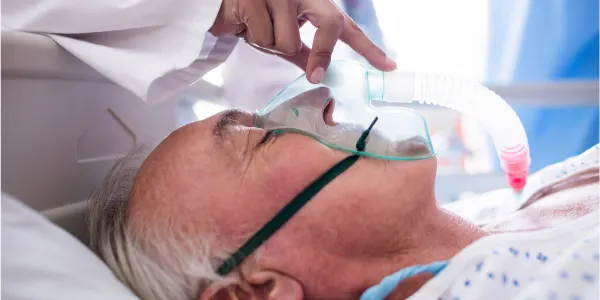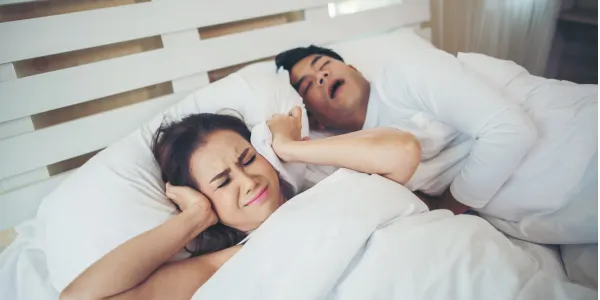
Do you wake up tired even after eight hours in bed? Does your partner nudge you awake because you’ve stopped breathing mid-snore? These aren’t quirks to brush off — they’re your body’s way of asking for help. Sleep apnea is far more common than most people realise, and left unchecked, it quietly raises the risk of high blood pressure, heart disease, and daytime accidents. The good news: with the right Sleep Apnea Doctor, it’s one of the most manageable conditions in modern medicine. This guide walks you through what sleep apnea really is, how to spot it, and how to find expert care close to home in Greater Noida.
Table of Contents
What Exactly Is Sleep Apnea? Understanding the Silent Sleep Thief
Sleep apnea is a sleep disorder in which breathing repeatedly stops and starts throughout the night. Each pause — medically called an apnea — can last anywhere from a few seconds to over a minute, and it may happen dozens or even hundreds of times a night without the person ever fully waking up to remember it. What they do remember is the exhaustion the next morning.
During an apneic episode, oxygen levels in the blood drop, and the brain briefly rouses the body just enough to restart breathing — often with a gasp or a snort. This cycle prevents deep, restorative sleep, which is why people with untreated sleep apnea often feel like they never truly rested, no matter how many hours they spent in bed.
The Different Types of Sleep Apnea You Should Know About
Not all sleep apnea is the same, and understanding the types of sleep apnea helps explain why treatment isn’t one-size-fits-all. Broadly, doctors classify it into three categories:
| Type of Sleep Apnea | What Happens | Common Causes | Typical Approach |
| Obstructive Sleep Apnea (OSA) | Throat muscles relax and block the airway during sleep | Excess weight, large tonsils, narrow airway, ageing | CPAP therapy, weight management, oral appliances |
| Central Sleep Apnea (CSA) | Brain fails to send proper signals to breathing muscles | Heart failure, stroke, certain medications | Treating the underlying condition, adaptive ventilation |
| Complex (Mixed) Sleep Apnea | A combination of obstructive and central patterns | Often develops during OSA treatment | Combination therapy under specialist supervision |
Of the three, obstructive sleep apnea is the most common and the one most people mean when they mention “snoring problems” that go beyond ordinary snoring.
Signs Your Body Is Sending SOS Signals While You Sleep
Many people live with sleep apnea for years without a diagnosis, simply because the symptoms show up while they’re unconscious. Watch for:
- Loud, chronic snoring, especially with pauses followed by gasping or choking sounds
- Waking up with a dry mouth, sore throat, or headache
- Excessive daytime sleepiness, even after a “full night’s sleep”
- Difficulty concentrating, memory lapses, or mood swings
- Waking up frequently during the night or feeling restless
- High blood pressure that’s hard to control
If two or more of these sound familiar, it’s worth having a proper evaluation rather than assuming it’s just poor sleep hygiene or stress.
Why Seeing a Qualified Sleep Apnea Doctor Matters More Than You Think
It’s tempting to try home remedies first — a new pillow, cutting back on caffeine, sleeping on your side. These habits genuinely help, but they can’t replace a proper diagnosis. Sleep apnea sits at the intersection of ENT (ear, nose, and throat) health, pulmonology, and sometimes cardiology, which is why a specialist evaluation matters.
A qualified Sleep Apnea Doctor doesn’t just look at your snoring — they assess your airway structure, breathing patterns, oxygen saturation, and overall health history to identify exactly what type of apnea you have and why. This is especially important because untreated sleep apnea has been linked to hypertension, irregular heartbeat, type 2 diabetes, and even memory-related concerns over time. Getting it right the first time saves months of trial and error with the wrong remedies.
Meet the Expert Behind Accurate Diagnosis — Dr. Rajat Parashar
At Prakash Hospital, patients dealing with snoring, disrupted breathing, and chronic fatigue are guided by Dr. Rajat Parashar, an experienced ENT and airway specialist known for a thorough, patient-first approach to diagnosis. Rather than jumping straight to a generic treatment, Dr. Rajat Parashar takes time to understand each patient’s symptoms, lifestyle, and airway anatomy before recommending a plan — an approach that reflects real clinical experience and builds genuine trust with patients searching for a dependable sleep apnea specialist.
How Is Sleep Apnea Diagnosed? Inside the Process
A visit to a sleep apnea specialist usually follows a clear, reassuring path:
1. Detailed history and physical exam — including a look at your throat, nose, and jaw structure, plus questions about snoring, daytime sleepiness, and family history.
2. Sleep questionnaires — standardised tools like the Epworth Sleepiness Scale help quantify how disruptive your symptoms are.
3. Sleep study (polysomnography) — this overnight test tracks breathing patterns, oxygen levels, heart rate, and brain activity to confirm a diagnosis and its severity.
4. Endoscopic airway evaluation — an ENT specialist may examine the airway directly to identify structural causes like a deviated septum or enlarged tonsils.
This step-by-step process is what separates a confirmed diagnosis from guesswork — and it’s the reason self-treating based on online searches rarely solves the problem long-term.
How to Cure Sleep Apnea: Treatment Options That Actually Work
The question of how to cure sleep apnea doesn’t have a single universal answer — it depends on the type and severity diagnosed. That said, treatment generally falls into a few proven categories:
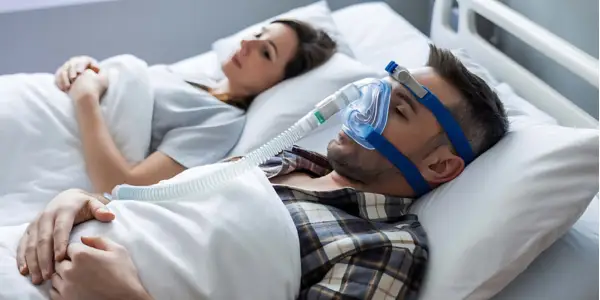
- CPAP (Continuous Positive Airway Pressure) therapy — the gold-standard treatment for moderate to severe obstructive sleep apnea, using gentle air pressure to keep the airway open overnight
- Oral appliances — custom-fitted dental devices that reposition the jaw and tongue to prevent airway collapse, useful for mild to moderate cases
- Weight management — even a modest reduction in weight can significantly ease airway obstruction in many patients
- Positional therapy — some people only experience apnea while sleeping on their back, and adjusting sleeping posture can meaningfully reduce episodes
- Surgical options — in select cases involving enlarged tonsils, nasal blockages, or structural airway issues, an ENT surgeon may recommend a corrective procedure
A sleep apnea specialist will usually start with the least invasive option that matches your diagnosis and adjust the plan based on follow-up results.
Simple Lifestyle Shifts That Support Better Sleep
Alongside medical treatment, everyday habits make a real difference. Avoiding alcohol and sedatives before bed, maintaining a consistent sleep schedule, and managing nasal congestion can all reduce apnea episodes. Sleeping position also plays a bigger role than most people realise — for practical, easy-to-follow guidance, this resource on sleeping positions to prevent snoring is a helpful starting point for anyone looking to reduce nighttime breathing disruptions naturally.
Why Choose Prakash Hospital as Your Sleep Apnea Doctor in Greater Noida
For residents searching for a trusted Sleep Apnea Doctor in Greater Noida, Prakash Hospital offers a dedicated otorhinolaryngology (ENT) department equipped with modern diagnostic facilities and a team experienced in managing snoring, airway obstruction, and sleep-related breathing disorders. Choosing local, specialised care means shorter follow-up cycles, easier access for repeat sleep studies, and a doctor who understands your case over time — rather than a one-time consultation with no continuity.
Whether your symptoms are mild snoring that’s starting to affect your relationship or more serious breathing pauses that concern your family, an experienced sleep apnea specialist at Prakash Hospital can guide you toward a diagnosis and a realistic treatment plan.
Frequently Asked Questions
1. What is the main cause of sleep apnea?
The most common cause of obstructive sleep apnea is relaxation of throat muscles that narrows or blocks the airway during sleep. Contributing factors include excess weight, enlarged tonsils, nasal congestion, and ageing.
2. Can sleep apnea be cured completely, or only managed?
Mild cases linked to weight or sleeping position can often improve significantly or resolve with lifestyle changes. Moderate to severe cases are usually managed effectively with CPAP therapy, oral appliances, or in some cases, surgery, rather than “cured” outright — but symptoms can be controlled very well long-term.
3. When should I see a Sleep Apnea Doctor?
If you snore loudly, wake up gasping, feel excessively tired during the day, or your partner notices breathing pauses at night, it’s time to book a consultation rather than waiting for symptoms to worsen.
4. Is a sleep study painful or complicated?
No. A sleep study (polysomnography) is non-invasive. Sensors are placed on the skin and scalp to monitor breathing, oxygen levels, and brain activity while you sleep, either at a sleep centre or, in some cases, at home.
5. Does sleeping position really affect sleep apnea?
Yes, especially for people with mild to moderate obstructive sleep apnea. Sleeping on the back can worsen airway collapse, while side-sleeping often reduces episodes. Simple positional adjustments can meaningfully improve symptoms for some patients.
Final Thoughts: Don’t Let Sleep Apnea Steal Another Night
Sleep apnea is common, often underdiagnosed, and — importantly — treatable. The first step isn’t a new pillow or a sleep-tracking app; it’s an honest conversation with a qualified Sleep Apnea Doctor who can pinpoint what’s actually happening while you sleep. If you or a loved one has been living with loud snoring, daytime exhaustion, or breathing pauses at night, don’t wait for it to get worse. Reach out to the ENT team at Prakash Hospital and take the first step toward nights of real, restorative sleep.

- How to Remove Pigmentation From Face Permanently - October 19, 2026
- Back Acne - October 16, 2026
- Skin Allergy Symptoms: Early Warning Signs You Should Never Ignore - October 13, 2026