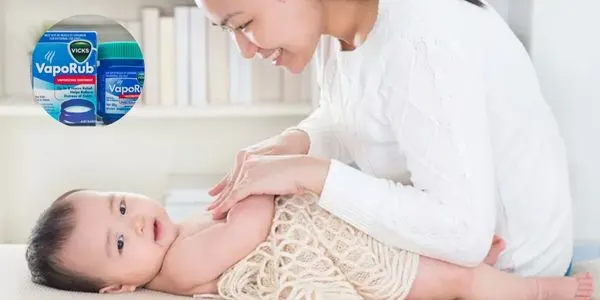
Taking care of newborns in winter is tough. Managing stuffy noses and breathing issues adds to the challenge. Parents often ask if Vicks products are safe to use on their tiny babies during this cold season. Many turn to common remedies like Vicks VapoRub. But the question, can you apply Vicks on a baby, has a clear medical answer that every parent must learn. Knowing about the safety rules of using Vicks for newborns is essential. Talking to a Best pediatrician in Greater Noida can help ensure your baby gets proper care during chilly months.
Understanding Vicks Newborn Safety Concerns
Using Vicks VapoRub on babies younger than two can be dangerous. Parents should know about the health risks involved. Studies have shown that putting this product on infants might cause major breathing problems. The common ingredients in Vicks VapoRub, like eucalyptus oil, menthol, and camphor, can make it hard for infants to breathe since their smaller airways are more delicate than those of older kids or adults.
Researchers at Wake Forest University School of Medicine found troubling results during tests on ferrets. These animals have respiratory systems resembling those of humans. The study showed that vapor rub products made mucus production rise, slowed mucus clearing, and caused serious airway swelling. The results suggest these effects could be dangerous for infants and might even threaten their lives.
Newborns’ breathing systems work compared to older kids. Their small airways block more and get inflamed faster. When someone applies Vicks VapoRub close to a baby’s nose or chest, the intense vapors can lead to airway inflammation. This reaction can make congestion worse instead of easing it.
What About a 1-Month-Old or Newborn Specifically?
The general medical guidance is that no Vicks product should be used on any baby under two years old — but it’s worth being direct about the youngest end of that range. A 1-month-old or any newborn has the smallest, most sensitive airways and the thinnest skin of any age group discussed in this article, which means the risks of airway inflammation, bronchospasm, and skin absorption described above apply at their highest level in this age group. There is no age within the newborn period, including one month, one week, or any point before two years, at which Vicks Vapo Rub or Vicks Baby Rub is considered appropriate to use. If a newborn is congested or having breathing difficulty, the safe alternatives covered in this article — plain humidification, saline drops, and adequate feeding — along with a pediatrician’s guidance, are the appropriate path forward.
Can You Put Vicks on a Baby? Medical Expert Answers
Doctors agree on this without debate: never use Vicks VapoRub on kids younger than two. Specialists, including those at Prakash Hospital known as a top choice in Greater Noida for children warn against it. The dangers are much higher than any supposed benefits, and there are safer options available.
Another big worry is the risk of chemicals. Babies have thinner skin, which makes it easier for harmful substances to seep in. The camphor in Vicks VapoRub can get absorbed and might trigger seizures in small children. Also, if a baby touches treated skin and then puts their hands in their mouth, they might swallow the product. This can result in serious problems like feeling sick, throwing up, and other health issues.
The menthol ingredient may feel cool and calming to adults but can lead to bronchospasm in babies. This means their airways can close up all of a sudden making it hard for them to breathe. If a newborn is already dealing with congestion during winter, this extra breathing trouble can turn into a serious emergency very fast.
Is Vicks BabyRub Different From Vicks VapoRub?
Many parents specifically search for “Vicks BabyRub” assuming the “baby” branding means it’s a different, safer formula for infants. While Vicks BabyRub is marketed with a gentler positioning and different packaging than regular Vicks VapoRub, it still contains active ingredients intended to be used with caution around a baby’s airway, and product labels typically restrict use to babies above a certain age — commonly 3 months and older, not newborns.
The core safety concern discussed throughout this article — that a baby’s small, developing airways can react strongly to strong topical vapor products — applies regardless of which specific Vicks product or packaging is used. The name “baby” on a label reflects marketing positioning, not an automatic guarantee of safety for a newborn’s fragile respiratory system. Always check the product’s own age recommendation on the label, and when in doubt for any baby under the labeled age — especially a newborn — consult your pediatrician before using any topical vapor product, branded for babies or otherwise.
Safe Winter Care Alternatives for Your Newborn
Avoid using products that could put your baby’s health at risk. There are many safe and proven methods to ease your baby’s winter discomfort. Trusted sources like the best multispecialty hospital in Noida such as Prakash Hospital, share these tested tips to care for babies during the colder months.

Managing humidity is the safest and best way to help ease a baby’s congestion. A cool-mist humidifier in the baby’s room keeps the air moist and helps them breathe more . You could also run hot water in the bathroom and sit with your baby in the warm steamy air for 10 to 15 minutes. This simple method can loosen mucus without exposing your baby to any harmful substances.
Keeping your baby hydrated is key to dealing with winter discomfort. Babies younger than six months who feed on formula or breast milk may need more frequent feeds to stay hydrated. For older babies small sips of water or pediatric electrolyte drinks, with a doctor’s approval, could also help.
Saline drops work as a reliable and safe solution. People can buy them at stores or make them at home by mixing distilled water with some salt. Putting a couple of drops into each nostril and then using a bulb syringe to suck out mucus can help clear the baby’s nose without causing any harm.
Should You Add Vicks to a Humidifier or Baby’s Bath?
Since humidifiers and warm baths are genuinely safe and effective ways to ease a baby’s congestion, some parents wonder whether adding a small amount of Vicks to the water might offer extra relief without direct skin contact. This is not recommended for babies under two. Adding Vicks to a humidifier can still release concentrated menthol and camphor vapors into the air your baby breathes throughout the room, which carries the same airway-irritation risk discussed earlier — even without any direct skin application. Similarly, adding Vicks to bathwater exposes a baby’s skin over a larger surface area and can release strong vapors in an enclosed, steamy bathroom, which is not a safer alternative to direct application.
The safest way to use a humidifier or a warm bath for a baby’s congestion is with plain water only — the humidity and steam alone are what help loosen mucus and ease breathing, as explained above.
Seeking the Right Pediatric Care for Your Child
If your newborn has trouble breathing during the colder months, it’s important to get professional medical help. Prakash Hospital, considered the Best pediatric hospital in Greater Noida, provides all-round care tailored for newborns. Their skilled pediatric doctors know the specific challenges that come with winter for infants and can offer the right treatment methods.
The neonatal intensive care unit at the hospital, along with its pediatric emergency services, stays open around the clock to make sure urgent care is always within reach. They focus on providing infant respiratory care that uses safe and proven treatments, with the baby’s health as the top priority. The medical team often teaches parents about proper home care and advises against unsafe products like Vicks VapoRub for infants.
Case Study: A Patient’s Healthcare Experience
Background of the Patient: Mrs. Niya Sharma, who lives in Greater Noida, visited Prakash Hospital with her 3-month-old baby girl on a freezing January day. Her daughter was dealing with breathing troubles and congestion. Mrs. Niya had thought about applying Vicks VapoRub after getting suggestions from her family.
Medical Intervention: Dr. Priya Gupta, a senior pediatrician at Prakash Hospital advised the parents to avoid using vapor rub products. She suggested trying humidification therapy and saline drops instead. The medical staff also explained how to notice symptoms of respiratory issues and understand the need to get urgent medical help.
Outcome: After 48 hours of following this safe treatment plan, the baby’s condition improved a lot. Mrs. Niya shared her thanks for the straightforward advice that helped her avoid using harmful products on her baby. She now encourages other parents to talk to the top pediatrician in Greater Noida before relying on home remedies.
Follow-up Care: The hospital gave Mrs. Niya a detailed guide on winter care and arranged follow-up visits to track her daughter’s breathing health during the winter months.
Safety Comparison: Vicks Products vs. Safe Alternatives
| Treatment Option | Safety for Newborns | Effectiveness | Risk Level | Recommended Age |
| Vicks VapoRub | NOT SAFE | Potentially harmful | HIGH RISK | 2+ years only |
| Cool-mist humidifier | SAFE | Highly effective | NO RISK | All ages |
| Saline drops | SAFE | Very effective | NO RISK | All ages |
| Steam therapy | SAFE | Effective | LOW RISK | All ages (supervised) |
| Increased fluids | SAFE | Moderately effective | NO RISK | Age-appropriate amounts |
| Professional medical care | SAFE | Most effective | NO RISK | All ages |
Frequently Asked Questions
Q: Is Vicks BabyRub safe just because it’s made for babies?
the branding doesn’t change the underlying airway-safety concerns; always check the label’s minimum age and consult a pediatrician for any baby below that age, especially newborns.
Q: Can I put Vicks in my baby’s humidifier or bathwater instead of on their skin?
both methods can still release concentrated vapors that irritate a baby’s airway; use plain water in the humidifier or bath instead.
Q: Is it ever okay to use Vicks Baby Rub on a 1-month-old?
A: under-2 guidance applies fully to newborns and 1-month-olds, who have the smallest airways and most sensitive skin of any age covered by this guidance.
Q: At what age is it okay to use Vicks products for kids?
A: Doctors suggest waiting until the child is at least 2 years old. Even then, make sure to follow medical advice and use the product as directed.
Q: How do I know if my newborn needs urgent medical help for breathing problems?
A: Take your baby to the doctor if they have trouble breathing, their lips or fingernails turn blue, they cry too much, or won’t eat. The best multispeciality hospital in Noida has round-the-clock emergency care for these conditions.
Conclusion
Caring for your newborn during winter means staying informed, alert, and prepared with appropriate medical support. Using popular remedies like Vicks VapoRub may seem tempting, but the health risks for babies are too high to ignore. Choose safer options and consult experienced medical experts to keep your baby well through the cold months.
Getting advice from a top pediatrician in Greater Noida helps you get specific care suited for your baby’s unique needs. Prakash Hospital, along with other trusted health centers in the area, is prepared to offer skilled care and useful knowledge. Keeping your baby safe means relying on modern medical facts instead of risky or old-fashioned home treatments.
If you’re unsure, go with expert medical guidance rather than relying on home solutions. This is important for your newborn’s breathing and overall health during the tough winter season.

- How to Remove Pigmentation From Face Permanently - October 19, 2026
- Back Acne - October 16, 2026
- Skin Allergy Symptoms: Early Warning Signs You Should Never Ignore - October 13, 2026