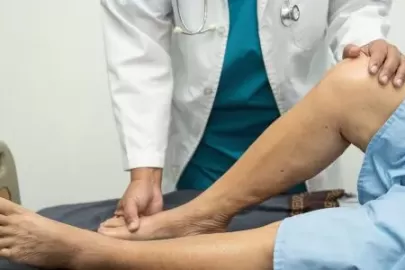
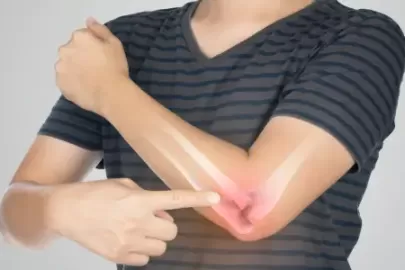
What Is Arthritis: An Overview
To manage arthritis , you need to understand what it is. Arthritis does not refer to just one illness but includes over 100 different joint-related conditions. It causes joint inflammation, which brings pain and stiffness that become more severe as people grow older.
The two primary types of arthritis Osteoarthritis and rheumatoid arthritis are the two most common forms of arthritis. Osteoarthritis develops as the protective cartilage in the joints slowly breaks down over time. Rheumatoid arthritis, on the other hand, occurs because the immune system attacks the lining of the joints. There are also gout psoriatic arthritis, and ankylosing spondylitis, each having its own unique causes and symptoms.
Arthritis doesn’t discriminate and can show up in people regardless of age, gender, or background. Some types are more likely to appear in certain groups. Osteoarthritis often shows up in older adults, whereas rheumatoid arthritis can develop at any stage of life but is most common starting in middle age.
Arthritis Symptoms: Recognizing the Warning Signs
Joint pain, stiffness, swelling, and limited movement stand out as common symptoms of arthritis. These issues might start off as minor but often get worse over time if left untreated. Spotting these signs is key to treating the condition well and improving the outcome over time.
The symptoms can look different depending on the type of arthritis a person has. Osteoarthritis leads to pain happening with or after moving, but rheumatoid arthritis can make joints hurt even when resting. Morning stiffness that lasts past an hour often shows up in inflammatory types of arthritis.
Joint problems might show up now and then or stick around for longer periods. Some folks deal with flare-ups when symptoms get worse for a while before easing up again. Arthritis can be tough to handle because its symptoms often change , so getting help from a professional really matters.
Arthritis Early Signs You Shouldn’t Ignore
Spotting arthritis early signs can help start treatment sooner and make living with it easier. Acting early is important to prevent joint damage and maintain their proper function. Here’s what you should keep an eye on.:
- Morning Stiffness: Joints feel hard to move after waking up, and this lasts over 30 minutes.
- Joint Tenderness: Joints hurt when touched or pressed.
- Persistent Joint Pain: Pain sticks around for several days without going away.
- Joint Swelling: Swollen or puffy areas show up around the joints.
- Reduced Range of Motion: It becomes tough to move a joint like usual.
- Warmth and Redness: Joints feel warm or look red where they hurt.
- Fatigue: You feel very tired for no clear reason along with joint issues.
- Symmetrical Symptoms: Rheumatoid arthritis affects the same joints on both sides of the body.
Sometimes, arthritis starts showing up as stiffness in the morning, tenderness in the joints, or even slight swelling. You should visit an orthopedic specialist if you notice these symptoms.
Arthritis Causes and Risk Factors
The reasons behind arthritis depend on its type. Osteoarthritis is the most common kind and impacts millions . It happens when the cartilage that cushions bone ends wears away with use and age. Things like getting older, being overweight, past joint injuries, or family history can increase the chances of developing it.
Rheumatoid arthritis though, is different. It occurs because the immune system attacks the lining of the joints by mistake. Genetics matter here, but things from the environment, like smoking, may add to the risk.
Other factors can also raise the chances of developing different forms of arthritis.
- Gender: Some forms of arthritis are more common in women, like rheumatoid arthritis. Others, like gout, tend to occur more often in men.
- Age: Growing older raises the risk of developing many forms of arthritis.
- Family History: A genetic link can make certain people more likely to develop arthritis.
- Previous Joint Injury: A past injury to a joint may cause arthritis to appear as time goes on.
- Occupation: Jobs that involve frequent or repetitive strain on joints can make arthritis more likely.
- Obesity: Extra weight adds strain to joints that bear the body’s weight increasing the risk of arthritis.
Knowing about these causes makes it easier to take steps to prevent arthritis or get treatment sooner rather than later.
Arthritis Treatment Options Available Today
Doctors use different methods to treat arthritis, from drugs and exercises to advanced surgeries. The choice of treatment depends on how severe the arthritis is and what kind it is. Patients often need to work with an orthopedic specialist to find the best treatment plan.
Non-Surgical Treatments:
- Medications: Pain relievers, anti-inflammatory drugs, steroids, and DMARDs are common choices.
- Physical Therapy: Exercises stretch the joints and make the muscles around them stronger.
- Lifestyle Changes: Managing weight, switching up activities, or using support devices can help.
- Injections: Corticosteroid shots or hyaluronic acid can help ease swelling and bring joint relief.
Surgical Options:
- Joint Repair: Fixing or readjusting worn-out joint surfaces
- Joint Replacement: Taking out harmed joint parts and putting in artificial components
- Joint Fusion: Joining bones together to minimize pain in joints that are not replaceable
At Prakash Hospital in Greater Noida, patients receive a full range of treatments from skilled doctors who design custom care plans to suit each person.
Leading Specialist for Complete Arthritis Treatment
If you’re trying to find the top orthopedic doctor in Greater Noida to treat arthritis, Dr. Vivek Prakash at Prakash Hospital is a reliable choice because of his skill and focus on patients. He has advanced training and years of experience in handling different types of arthritis making sure to provide thorough care that tackles both the symptoms and the root causes.
Dr.Vivek Prakash combines cutting-edge medical techniques with plans tailored to fit the unique condition and lifestyle of each patient. He handles all aspects of arthritis treatment, including non-surgical methods and more advanced surgical options when the situation calls for it.
Patients value his detailed approach to diagnosis, clear way of explaining things, and dedication to trying all possible treatments before suggesting surgery. This focus on putting patients first has made him a trusted name among orthopedic specialists in the Greater Noida area.
Why We’re the Right Choice for Orthopedic Treatment
Prakash Hospital stands out as the Best oprthopedic Hospital in Greater Noida because it provides a full range of care for joint health. It has modern diagnostic tools, cutting-edge surgery facilities, and a rehabilitation unit designed just for orthopedic care.
The orthopedic team at Prakash Hospital provides:
- Advanced imaging tools help ensure accurate diagnosis.
- Surgeons use invasive methods to speed up recovery.
- Services include a complete approach to rehabilitation.
- Experts from different fields handle complex cases together.
· These programs help patients learn effective ways to manage their condition
- Clinics focus on arthritis care.
When looking for a top orthopedic hospital in Greater Noida, people often prioritize modern facilities and skilled doctors. Prakash Hospital offers both while also providing care that considers both the physical challenges and emotional struggles of arthritis patients.
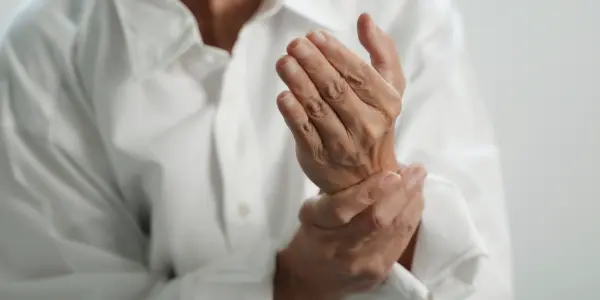
Arthritis in the hands can make everyday tasks like writing or cooking difficult. The hands have many small joints that different kinds of arthritis can affect. Arthritis early signs often include stiffness, pain, and swelling in the fingers or wrists. Common symptoms may include:
- Morning brings pain and stiffness.
- Joints feel swollen and warm.
- Finger joints might develop cysts over time.
- Grip strength fades, and weakness emerges.
- Severe cases may show visible joint deformities.
To manage hand arthritis , people can maintain joint movement and ease pain by taking thoughtful action. Helpful steps include:
- Performing hand exercises to keep strength and motion.
- Using splints to give sore joints extra support.
- Applying heat or cold to soothe discomfort.
- Relying on adaptive tools to assist with everyday tasks.
- Taking medications that target inflammation and pain.
- Consider surgery when symptoms are severe.
Dr. Vivek Prakash at Prakash Hospital focuses on treating hand arthritis. He offers both non-surgical treatments and surgical solutions whenever required.
Patient Success Story: Overcoming Arthritis
Mrs.Reeta, a 58-year-old teacher living in Noida, faced worsening knee osteoarthritis for more than five years. Simple tasks like climbing stairs or standing for extended periods during her teaching became increasingly difficult each day. Over-the-counter painkillers offered only temporary relief.
She met Dr. Vivek Prakash at Prakash Hospital where he examined her and prepared a treatment plan tailored to her needs. Her care started with exercises, tips to manage her weight, and updating her medications as necessary. When these steps did not help enough with her right knee, Dr. vivek Prakash suggested and carried out a partial knee replacement.
Six months after her surgery, Mrs. Reeta says her life has seen major changes for the better. She now teaches full-time again, walks without discomfort, and enjoys gardening, which is her favorite pastime. Non-surgical methods are keeping her left knee in check.
Mrs. Reeta reflects, “The thorough care I got changed everything. From figuring out what was wrong to helping me recover, the team at Prakash Hospital supported me with expert advice at every stage.”
Arthritis Management: Comparison of Treatment Approaches
| Treatment Approach | Best For | Advantages | Considerations |
| Physical Therapy | Early to moderate arthritis | Non-invasive, improves function, no recovery time | Requires consistent effort, results take time |
| Medication | Various stages, most types | Convenient, manages pain and inflammation | Potential side effects, may not address underlying causes |
| Injections | Moderate arthritis, localized pain | Targeted relief, minimally invasive | Temporary results, limited number of injections per year |
| Joint Replacement | Advanced arthritis, significant pain | Long-lasting relief, dramatic functional improvement | Surgical risks, recovery period, prosthetic lifespan |
| Lifestyle Modifications | All stages, preventive | No side effects, multiple health benefits | Results vary, requires long-term commitment |
Frequently Asked Questions About Arthritis
Q: Can arthritis ever be cured?
A: Most types of arthritis do not have a complete cure, but with the right care, people can control symptoms, slow down how it worsens, and keep joints working well. Early diagnosis and timely treatment are essential for achieving the best possible outcomes.
Q: When does arthritis begin?
A: Arthritis can happen to people of any age, but some kinds show up more in certain groups. Osteoarthritis is more likely to appear after the age of 40. Rheumatoid arthritis often starts between 30 and 60. Some rare forms, like juvenile idiopathic arthritis, show up in children.
Q: Is arthritis hereditary?
A: Family history can increase the chances of some arthritis types, like rheumatoid arthritis or ankylosing spondylitis. Still, factors like environment and how you live your life also have a big effect on how it starts and progresses over time.
Q: How can I prevent arthritis?
A: Preventing all arthritis isn’t always possible. To lower your chances, keep your weight healthy, take care of your joints during movement, stay active with gentle exercises, and avoid things like smoking.
Q: When should I see a doctor about joint pain?
A: Go to a doctor who specializes in bones and joints if joint pain lasts several days, if you notice swelling, warmth, or redness around the joint, or if it becomes hard to go about your normal day because of the pain.
Conclusion
To detect and manage arthritis knowing about the condition is crucial. With expert treatment from the best orthopedic doctor in Greater Noida at Prakash Hospital, Patients can manage their symptoms effectively and maintain an active lifestyle. If you notice joint stiffness, pain, or signs of arthritis, act instead of waiting for things to get worse. Starting treatment can improve results . Reach out to Prakash Hospital now to book an appointment with Dr. Vivek Prakash and begin your journey toward better arthritis care.