You wash your face, smooth on your usual cream, and an hour later your skin feels tight again. By evening, there are small white flakes around your nose and a rough, slightly itchy feel on your cheeks. Sound familiar?
In North India, winter brings cold winds, low humidity, and long evenings next to a room heater. Together, they pull moisture out of the skin faster than it can be replaced. That is why dryness on the face is one of the most common complaints dermatologists see between November and February.
The reassuring part is that most winter dryness responds well to a few consistent changes. In this guide, the dermatology team at Prakash Hospital explains why your face dries out, which signs need a doctor’s attention, and seven practical ways to bring back soft, comfortable, healthy-looking skin.
Table of Contents
Why Does Your Face Turn So Dry the Moment Winter Arrives?
Your skin has a thin outer layer called the skin barrier. Think of it as a brick wall: skin cells are the bricks, and natural oils such as ceramides and fatty acids are the mortar. This wall holds water in and keeps irritants out.
In winter, cold outdoor air and warm indoor air both carry very little moisture. Water escapes from the skin faster, the “mortar” thins out, and tiny gaps appear in the wall. Facial skin is thinner than skin on most of the body and stays exposed to wind all day, so it often shows the damage first. The result is persistent skin dryness on face, even if the rest of your body feels fine.
If you want a deeper look at the triggers, our detailed guide on the Reasons for Dry Skin covers them one by one. The most common ones we see in winter are:
- Low humidity and cold winds that pull water out of the top layer of skin
- Room heaters and blowers that dry indoor air for hours at a stretch
- Hot water for bathing or washing the face, which strips natural oils
- Harsh cleansers, foaming face washes and regular bathing soap used on the face
- Over-exfoliation with scrubs, peels or strong acids
- Low water intake, because people tend to feel less thirsty in the cold
- Certain medicines, such as some acne treatments (retinoids, benzoyl peroxide)
- Underlying conditions like eczema (atopic dermatitis), seborrhoeic dermatitis, psoriasis, thyroid disorders or diabetes
Is It Just Dry Skin? Signs Your Face Is Asking for Help
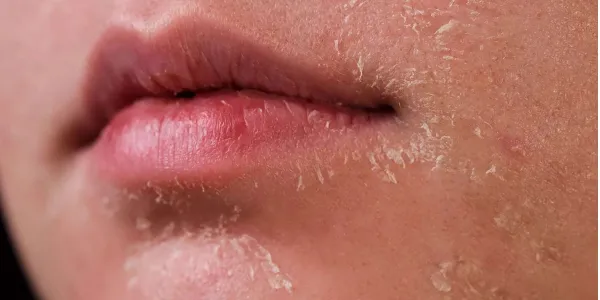
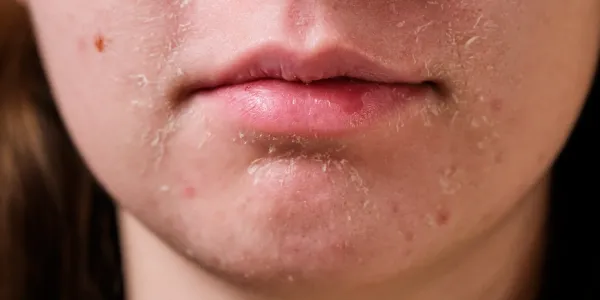
Winter dryness usually starts quietly. You may notice tightness after washing, fine flakes near the nose and eyebrows, rough patches on the cheeks, or make-up that looks patchy. Fine lines can appear deeper, and products you have used for years may suddenly sting.
Dryness and Itching on Face: Why the Itch Won’t Stop
When the barrier is damaged, nerve endings in the skin become more sensitive, and irritants from the air or your products slip in more easily. That is why dryness and itching on face often go together. Scratching gives brief relief but damages the barrier further, which causes more itching. This itch–scratch cycle is common in people with eczema or sensitive skin. Persistent itching, especially with redness or small bumps, deserves a dermatologist’s assessment.
Dark Patches on Face Due to Dryness: The Hidden Link
Many people are surprised to learn that dry skin can lead to pigmentation. Repeated rubbing, scratching, and inflammation can trigger extra melanin production. In Indian skin tones, this often shows up as post-inflammatory hyperpigmentation — brownish or greyish marks around the mouth, cheeks, or jawline. Very dry skin also reflects light unevenly, which makes the face look dull and ashy.
Not every dark mark is caused by dryness, though. Melasma, sun damage, fungal infections, and hormonal changes can look similar. If you notice dark patches on face due to dryness that do not fade after a few weeks of proper moisturising, a dermatologist can identify the cause and suggest suitable treatment.
When It Becomes Extreme Dryness on Face
Sometimes dryness goes beyond flakiness. Skin may crack, bleed, peel in sheets, burn, or swell. This kind of extreme dryness on face can point to eczema, allergic contact dermatitis, psoriasis, or a reaction to a new product. These conditions need a medical diagnosis, not just a thicker cream.
Quick Guide: What Your Skin Is Telling You
| What you notice | What it may indicate | What you can try at home | When to see a dermatologist |
|---|---|---|---|
| Tightness after washing, light flaking | Mild winter dryness, weakened barrier | Gentle cleanser, moisturiser on damp skin | If no improvement in 2 weeks |
| Rough patches, stinging with products | Moderate barrier damage | Pause actives, use a fragrance-free cream | If stinging or redness persists |
| Itching with redness or small bumps | Possible eczema or contact dermatitis | Avoid scratching and new products | Soon — these usually need prescribed treatment |
| Brown or grey patches after dryness | Post-inflammatory pigmentation | Daily sunscreen, consistent moisturising | If patches spread or don’t fade in 4–6 weeks |
| Cracks, bleeding, peeling, burning | Severe barrier damage or a skin condition | Plain petroleum jelly, no actives | As early as possible |
| Thick, silvery or greasy yellow scales | Possible psoriasis or seborrheic dermatitis | Avoid picking at scales | Book a consultation for diagnosis |
7 Ways to Get Soft, Glowing Skin Again This Winter
Wondering how to get rid of dryness on face without a 12-step routine? Consistency matters more than expensive products. These seven steps work best together.
1. Swap Your Face Wash for a Gentle, Soap-Free Cleanser
Foaming face washes and bathing soaps remove the oils your skin is struggling to hold on to. Choose a mild, fragrance-free, soap-free or cream-based cleanser. In winter, cleansing once at night is usually enough; in the morning, a splash of lukewarm water works for many people. Pat your face dry with a soft towel instead of rubbing.
2. Moisturise Within Three Minutes of Washing
This small habit makes a big difference. Apply moisturiser while your skin is still slightly damp, ideally within three minutes of washing. It seals in the water that is already on the skin. Reapply during the day if your face starts to feel tight, and use a slightly richer cream at night.
3. Pick Ingredients That Rebuild the Skin Barrier
A good winter moisturiser usually combines three types of ingredients. Here is what to look for on the label:
| Ingredient type | How it helps | Common examples | Best suited for |
|---|---|---|---|
| Humectants | Draw water into the skin | Glycerin, hyaluronic acid, urea (low strength), panthenol | All skin types, including oily skin |
| Emollients | Smooth rough texture and fill gaps between cells | Ceramides, squalane, shea butter, fatty acids | Dry and normal skin |
| Occlusives | Form a protective layer that reduces water loss | Petrolatum, dimethicone, beeswax | Very dry or cracked skin, night use |
| Soothing agents | Calm redness and irritation | Niacinamide (low strength), colloidal oatmeal, allantoin | Sensitive or itchy skin |
Avoid products with strong fragrance or high alcohol content when your skin is already dry. If you have acne-prone skin, look for the word “non-comedogenic”.
4. Turn Down the Water Temperature (and the Heater)
A hot shower feels wonderful on a cold morning, but hot water dissolves the skin’s natural oils. Use lukewarm water and keep showers under 10 minutes. Indoors, avoid sitting directly in front of a heater. A humidifier, or even a bowl of water placed in the room, can add some moisture to dry indoor air.
5. Keep Wearing Sunscreen, Even on Foggy Days
UV rays reach your skin through fog and haze. Sun exposure weakens the barrier and darkens existing pigmentation, which matters if you are already seeing dark patches. Use a broad-spectrum sunscreen of SPF 30 or above every morning. Cream-based formulas are usually more comfortable on dry skin than gels.
6. Go Easy on Scrubs, Peels and Strong Actives
Winter is not the season to experiment. Grainy scrubs, peel-off masks, and frequent use of retinol or strong acids (glycolic, salicylic) can worsen dryness and irritation. If a dermatologist has prescribed an active for acne or pigmentation, do not stop it on your own; ask whether the frequency or base cream should be adjusted for winter.
7. Hydrate and Nourish from Within
Skin reflects your overall health. Keep drinking water throughout the day even if you don’t feel thirsty; warm water, soups and herbal teas count too. Include foods with healthy fats, such as walnuts, flaxseeds, fish, and ghee in moderation. Seven to eight hours of sleep also helps the skin repair itself overnight. These habits support topical care rather than replace it.
Winter Skincare Mistakes That Quietly Make Things Worse
Even a good routine can be undone by a few common habits:
- Washing the face several times a day with hot water
- Applying raw lemon, baking soda, toothpaste, or undiluted essential oils on dry patches
- Peeling off flakes with your fingers
- Licking dry lips, which dries them further
- Using body lotion on the face, which may contain fragrance or ingredients that clog pores
- Switching products every few days instead of giving one routine two to three weeks
- Treating a rash or itchy patch with over-the-counter steroid creams without a doctor’s advice; misuse can thin the skin and cause other problems
When Should You See a Dermatologist for Dryness on Face?
Home care is enough for most people. However, consult a dermatologist if you notice any of the following:
- Dryness that does not improve after two to three weeks of gentle care
- Cracking, bleeding, oozing or crusting
- Intense itching that disturbs your sleep
- Red, scaly or swollen patches, or a rash that keeps coming back
- Dark patches that are spreading or not fading
- Dryness along with tiredness, weight changes or hair fall, which may need tests for thyroid or other conditions
At the Dermatology Department of Prakash Hospital in Greater Noida, a consultation begins with understanding your skin type, routine, medicines and medical history. This helps the doctor tell ordinary winter dryness apart from conditions such as eczema, psoriasis or a fungal infection, and plan treatment accordingly.
Dr. Mohna Chauhan, Dermatologist & Cosmetic Surgeon at Prakash Hospital, has around 15 years of experience in clinical, cosmetic and paediatric dermatology. For persistent pigmentation or dullness left behind after a dry spell, the Cosmetic Dermatology services at the hospital offer evaluation and, where suitable, procedures such as laser-based pigmentation treatment. Treatment choice and results vary from person to person and are decided after an in-person assessment.
Frequently Asked Questions
1. Why does my face get so dry in winter even when I use moisturiser?
The moisturiser may be too light, applied on fully dry skin, or undone by hot water and a harsh face wash. Try a cream with ceramides or glycerin, apply it on damp skin, and review your cleanser.
2. Can dryness on face cause dark patches?
Yes. Ongoing dryness, rubbing, and inflammation can lead to post-inflammatory hyperpigmentation, particularly in Indian skin tones. Regular moisturising and sunscreen help, but patches that persist should be checked by a dermatologist.
3. What is the fastest way to calm dryness and itching on face?
Stop using fragranced products and scrubs, wash with lukewarm water, and apply a thick, fragrance-free moisturiser. A cool compress can ease itching. If the itch lasts more than a few days or a rash appears, see a doctor.
4. Is coconut oil or aloe vera good for a dry face?
Coconut oil can soften very dry skin for some people, but it may clog pores in acne-prone skin. Pure aloe vera gel soothes, but it is not very moisturising on its own. A properly formulated moisturiser is usually more reliable.
5. Should oily or acne-prone skin also be moisturised in winter?
Yes. Oily skin can still be dehydrated. Use a light, non-comedogenic moisturiser with humectants such as glycerin or hyaluronic acid.
6. Can extreme dryness on face be a sign of a medical problem?
It can. Severe, cracked or scaly skin may be linked to eczema, psoriasis, contact allergy, thyroid disorders or certain medicines. A dermatologist can examine the skin and suggest tests if needed.
7. How long does it take for a dry face to recover?
With a gentle, consistent routine, most people feel a difference within one to two weeks. Barrier repair and fading of pigmentation can take longer.
Bringing Back Your Winter Glow
Dryness on face in winter is common, but it does not have to be something you put up with until spring. Gentle cleansing, moisturising on damp skin, barrier-friendly ingredients, lukewarm water, daily sunscreen and good hydration go a long way. When dryness turns painful, itchy or leaves dark marks behind, expert advice saves time and protects your skin.
If your skin is not improving, you can book a consultation with the dermatology team at Prakash Hospital, Greater Noida.

- Mouth Dryness Causes - November 27, 2026
- Dryness on Face in Winter? - November 27, 2026
- Plantar Wart Treatment - November 24, 2026