You wash your face, pat it dry, and look in the mirror. Your cheeks look chalky, your lips feel tight, and your mouth feels like cotton. Sound familiar?
Many people notice these signs together and wonder if something is wrong. In most cases, the reason is simple: your skin and the moist linings of your body are losing water faster than they can hold it. The good news is that most dryness can be managed once you know what is behind it.
Prakash Hospital explains the common mouth dryness causes, why skin turns white after face washing, and how dryness can show up on your face, eyes, and nose. You will also find a simple comparison table, practical care tips, and clear signs that it is time to see a doctor.
Table of Contents
Waking Up With a Dry, Sticky Mouth? Here Is What Your Body Is Telling You
Dry mouth, known medically as xerostomia, happens when the salivary glands do not make enough saliva. Saliva does more than keep your mouth wet. It helps you chew, swallow, taste food, and protects your teeth from decay.
When people ask us about the most likely mouth dryness reason, the answer is often a mix of lifestyle and health factors. The most common mouth dryness causes include:
- Not drinking enough water: Mild dehydration is the most frequent trigger, especially in hot weather or after exercise.
- Breathing through the mouth: A blocked nose, snoring, or sleeping with your mouth open dries the mouth overnight.
- Medicines: Many antihistamines, antidepressants, blood pressure tablets and pain medicines list dry mouth as a side effect.
- Caffeine, alcohol and smoking: These reduce saliva flow and leave the mouth feeling parched.
- Health conditions: Diabetes, thyroid problems, anaemia and autoimmune conditions such as Sjögren’s syndrome can affect saliva production.
- Stress and anxiety: Nervousness can briefly slow saliva flow.
- Ageing and hormonal changes: Older adults and women during menopause often notice more dryness.
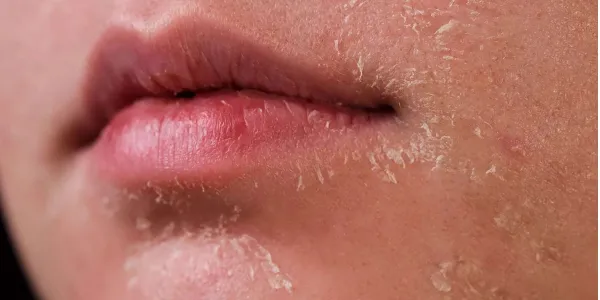
Common dry mouth symptoms include a sticky feeling, cracked lips, bad breath, a sore throat, difficulty speaking, and a changed sense of taste. If these signs last for weeks, it is worth getting checked rather than guessing.
Why Mouth Dryness and Skin Dryness Often Appear Together
Your lips, mouth, and facial skin share the same environment. Low water intake, dry air, and certain medicines affect all of them at once. That is why someone with a dry mouth often also notices tight, flaky skin around the lips and cheeks. Treating the root cause usually helps both.
Why Does Your Skin Turn White After Face Washing? The Surprising Truth
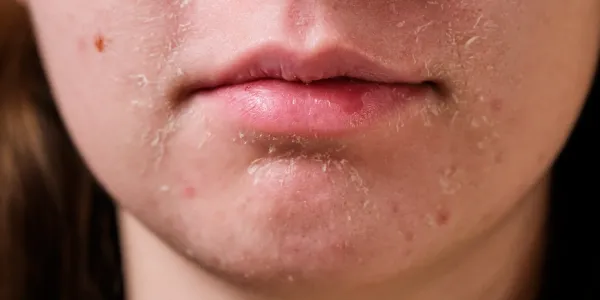
A white, chalky, or ashy look right after washing is one of the clearest signs of a weakened skin barrier. Here is what is happening under the surface.
Your skin’s outer layer is held together by natural oils and fats called lipids. Think of them as the mortar between bricks. When you wash, especially with hot water or a harsh cleanser, these lipids are stripped away. The top layer of dead skin cells then lifts and dries out. Dry, lifted cells scatter light instead of reflecting it smoothly, so the skin looks white, dull, or flaky.
Common triggers behind this white cast include:
- Harsh soaps and foaming face washes: Many bar soaps have a high pH that disturbs the skin’s natural acidity.
- Hot water: It dissolves protective oils faster than lukewarm water.
- Over-washing or scrubbing: Washing more than twice a day or using rough scrubs removes the barrier.
- Hard water: Minerals in hard water can leave a residue and add to dryness.
- Skipping moisturiser: Water evaporates from bare skin within minutes after washing.
- Underlying skin conditions: Eczema, psoriasis, fungal infections or pityriasis alba can cause white or pale patches that look worse after washing.
Is White Skin After Washing Dangerous?
Usually, no. In most people, it is simple dehydrated skin and improves with a gentle routine. However, white patches that do not go away, spread, itch, or have clear borders should be checked by a dermatologist. Conditions such as vitiligo or fungal infections need a proper diagnosis, not home remedies.
Tight, Flaky, Itchy? Common Skin Dryness Causes You Might Be Ignoring
Dry skin is not just a winter problem. Many daily habits quietly drain moisture from the skin. To understand the full range of skin dryness causes, it helps to group them into three areas.
Environmental factors
- Cold, dry winter air in North India, including Delhi NCR and Greater Noida
- Long hours in air-conditioned or heated rooms
- Sun exposure and pollution, which damage the skin barrier over time
Lifestyle factors
- Long, hot showers
- Low water intake and a diet low in healthy fats
- Frequent use of alcohol-based toners, sanitisers or strong actives such as retinoids without a moisturiser
Health-related factors
- Eczema (atopic dermatitis), psoriasis and contact dermatitis
- Hypothyroidism, diabetes and kidney disease
- Natural ageing, as oil production slows down after 40
- Some medicines, including acne treatments and diuretics
Dryness on Face: Why Your Face Feels It First
Facial skin is thinner than skin on most other parts of the body. It is also exposed to sun, wind, and pollution every day, and it gets washed more often. This makes dryness on face very common, especially around the nose, cheeks, lips, and eyes.
Signs to watch for include rough patches, fine lines that look deeper than usual, redness, stinging after applying products, and makeup that looks patchy. If over-the-counter products are not helping, our cosmetic dermatology team can assess your skin type and suggest suitable care for dryness on face, such as barrier-repair routines and in-clinic hydration treatments where appropriate.
Beyond the Skin: When Dryness Shows Up in Your Eyes and Nose
Dryness rarely stays in one place. The same triggers that dry your skin and mouth can also affect your eyes and nasal passages.
What Is Eye Dryness?
If you have ever wondered what is eye dryness, it is a condition where your eyes do not make enough tears, or the tears evaporate too quickly. Doctors call it dry eye syndrome. Tears keep the surface of the eye smooth, clear, and protected from infection.
Common causes include long screen time (we blink less while looking at screens), air conditioning, contact lens use, ageing, hormonal changes, and some medicines. Autoimmune conditions such as Sjögren’s syndrome can cause dry eyes and dry mouth together, which is one reason doctors look at symptoms as a whole.
Typical symptoms are burning, grittiness, redness, blurred vision that clears on blinking, and, surprisingly, watery eyes. Following the 20-20-20 rule (every 20 minutes, look 20 feet away for 20 seconds) can give tired eyes a break. Persistent eye symptoms should be checked by an eye specialist.
Nose Dryness: More Than Just Winter Discomfort
Nose dryness happens when the lining of the nose loses moisture. You may notice crusting, itching, a burning feeling, or even small nosebleeds.
It is common during winter, in dusty or polluted air, and in people who use decongestant nasal sprays for too long. A dry nose also pushes you to breathe through your mouth, which then becomes another of the hidden mouth dryness causes. Saline nasal sprays, a humidifier in the bedroom, and good hydration usually help. Frequent nosebleeds or long-lasting blockage need a doctor’s review.
Dryness at a Glance: Mouth, Skin, Face, Eyes and Nose Compared
This quick table brings together the common causes, signs, and first steps for each type of dryness.
| Type of Dryness | Common Causes | Key Signs | Simple First Steps | See a Doctor If |
|---|---|---|---|---|
| Mouth dryness (xerostomia) | Dehydration, mouth breathing, medicines, diabetes, smoking | Sticky mouth, cracked lips, bad breath, altered taste | Sip water often, chew sugar-free gum, limit caffeine and alcohol | It lasts over 2–3 weeks or affects eating and speaking |
| Skin dryness (body) | Hot showers, harsh soap, cold weather, eczema, thyroid issues | Rough, itchy, scaly or cracked skin | Lukewarm baths, fragrance-free moisturiser, humidifier | Cracks bleed, itching disturbs sleep, or rashes appear |
| Dryness on face | Over-washing, strong actives, pollution, sun exposure | White or ashy cast after washing, tightness, flakes, redness | Gentle cleanser, moisturise within 3 minutes, daily sunscreen | Patches persist, spread, burn or change colour |
| Eye dryness | Screen time, AC, contact lenses, ageing, hormonal changes | Burning, grittiness, redness, blurry vision | 20-20-20 rule, blink breaks, avoid direct fan or AC airflow | Pain, light sensitivity or vision changes |
| Nose dryness | Dry or polluted air, overuse of decongestant sprays | Crusting, itching, burning, minor nosebleeds | Saline spray, humidifier, good hydration | Frequent nosebleeds or long-lasting blockage |
9 Dermatologist-Approved Habits to Stop Dryness Before It Starts
Small daily changes make a real difference. These are the habits our dermatology team at Prakash Hospital most often recommends:
- Switch to a gentle cleanser. Choose a mild, soap-free or pH-balanced face wash. Cream or gel cleansers are kinder to dry skin than foaming ones.
- Use lukewarm water. Keep hot water away from your face, and limit showers to 5–10 minutes.
- Moisturise on damp skin. Apply moisturiser within about three minutes of washing to lock in water. Look for ceramides, glycerin, hyaluronic acid or shea butter.
- Wash only twice a day. Morning and night are enough for most skin types.
- Drink water throughout the day. Small, regular sips help both your skin and your mouth.
- Protect your lips. Use a fragrance-free lip balm, and avoid licking your lips, which dries them further.
- Add moisture to the air. A humidifier helps your skin, eyes, and nose, especially in winter or air-conditioned rooms.
- Wear sunscreen every day. Sun damage weakens the skin barrier, even on cloudy days.
- Review your medicines. If you suspect a medicine is drying you out, speak to your doctor. Do not stop any prescribed medicine on your own.
When Should You See a Dermatologist?
Home care works for mild dryness. Book a consultation if you notice:
- White or pale patches that stay, spread, or have sharp borders
- Itching that disturbs your sleep
- Cracked skin that bleeds or shows signs of infection
- Dryness that does not improve after 2–3 weeks of good care
- Dry mouth together with dry eyes, joint pain, or tiredness, which may need tests for an underlying condition
Early assessment helps find the actual cause and avoids months of trying products that may not suit your skin.
Getting the Right Diagnosis: Dryness Care at Prakash Hospital, Greater Noida
Dryness can look the same on the surface but have very different roots. A white cast after washing could be simple dehydration, eczema, or a fungal infection. A dry mouth could come from a medicine, low water intake, or a condition that needs blood tests. That is why a proper check-up matters.
At the Department of Dermatology at Prakash Hospital, Dr. Mohna Chauhan and the team follow a step-by-step approach:
- Detailed history: Your skincare routine, water intake, medicines, lifestyle, and family history.
- Skin examination: A close look at the pattern, texture, and colour of dry or white patches.
- Tests when needed: Such as a fungal scraping, or blood tests for thyroid, sugar levels or vitamin deficiencies.
- A personal care plan: Advice on cleansers, moisturisers and lifestyle changes, and medical treatment where it is required.
- Referral when needed: If dry eyes or a dry mouth point to another condition, you can be guided to the right specialist within the hospital.
Treatment is planned around your skin type and medical needs. Results differ from person to person, and your doctor will explain what to expect at each step.
Looking for help nearby? Find Prakash Hospital, Greater Noida on Google for directions and contact details.
Frequently Asked Questions About Dryness
1. What are the most common mouth dryness causes?
The most common causes are not drinking enough water, breathing through the mouth, side effects of medicines, caffeine, alcohol, smoking and stress. Conditions such as diabetes and Sjögren’s syndrome can also reduce saliva.
2. Why does my face look white and chalky after washing?
Washing removes the natural oils that hold moisture in your skin. Dry, lifted skin cells scatter light, which makes the skin look white or ashy. A gentle cleanser, lukewarm water and a moisturiser applied right away usually help.
3. Can dry mouth and dry skin be linked?
Yes. Dehydration, dry air, some medicines and certain autoimmune or hormonal conditions can cause both at the same time.
4. What is eye dryness, and is it serious?
Eye dryness is when the eyes do not make enough tears or the tears dry up too fast. It is usually mild, but pain, light sensitivity, or vision changes need prompt attention from an eye specialist.
5. How can I relieve nose dryness at home?
Saline nasal sprays, a humidifier and good hydration help most people. Avoid using decongestant sprays for more than a few days unless your doctor advises it.
6. Which moisturiser is good for dryness on face?
Fragrance-free moisturisers with ceramides, glycerin, or hyaluronic acid suit most dry skin. The right product depends on your skin type, so a dermatologist can guide you if your skin is sensitive or acne-prone.
7. When should I see a dermatologist for dry skin?
See a dermatologist if dryness lasts more than 2–3 weeks despite good care, if patches spread or change colour, or if itching, cracking or bleeding affects daily life.
8. Does drinking more water cure dry skin?
Water supports overall hydration, but it is not enough on its own. Skin also needs a healthy barrier, which comes from gentle cleansing and regular moisturising.
The Bottom Line: Listen to Your Skin Before It Cracks
A dry mouth, a white cast after face washing, tired dry eyes, or a crusty nose are your body’s way of saying it needs more moisture and care. Understanding the causes of mouth dryness and skin triggers in your own routine is the first step to fixing them.
Start with gentle cleansing, lukewarm water, regular moisturising, and good hydration. If the dryness stays, spreads or comes with other symptoms, do not ignore it. A timely visit to a dermatologist can find the real cause and save you from trial and error.
If you are in Greater Noida or nearby, you can consult Dr. Mohna Chauhan at Prakash Hospital for a personal skin assessment.

- Mouth Dryness Causes - November 27, 2026
- Dryness on Face in Winter? - November 27, 2026
- Plantar Wart Treatment - November 24, 2026