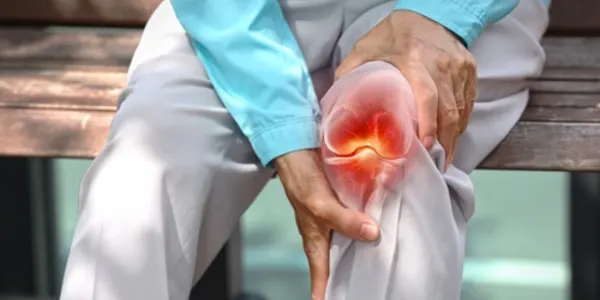
Arthritis refers to over 100 different conditions that impact the joints and surrounding tissues. Understanding arthritis is essential, as osteoarthritis—the most common form—affects around 15% of people worldwide. This joint problem, which worsens over time, has seen a 113.25% spike in cases between 1990 and 2019. Experts predict that diagnosed cases could grow by another 49% by 2040.
Osteoarthritis stands apart from other types of arthritis like rheumatoid arthritis. Rheumatoid arthritis happens when the body’s immune system attacks the joints. On the other hand, osteoarthritis occurs because joint cartilage wears down as time passes. Knowing this difference is key to diagnosing and planning treatment .
To manage arthritis well, people living in Noida and Greater Noida need to first grasp how the condition works. Since arthritis tends to worsen with time, taking action can significantly enhance long-term health and overall quality of life.
Early Signs: Recognizing the Warning Signals
Spotting arthritis symptoms helps get medical help sooner and improves long-term health. The starting signs of osteoarthritis appear and might seem like a part of aging. But noticing these signs can mean an earlier diagnosis and better treatments.
Arthritis early signs of osteoarthritis are:
- Light joint pain after exercise or by evening
- Stiffness in the morning that eases within half an hour
- Small swelling near the joints that are affected
- Tiny changes in how flexible or mobile the joints feel
- Sometimes a clicking or popping sound in the joints
- Minor discomfort when the weather shifts
These symptoms might show up on and off at first, which makes them easy to miss. A lot of people mention dealing with these signs for months or even years before deciding to see a doctor. Waiting like this often gives the condition time to get worse and become more serious.
If you spot any of Arthritis early signs, it’s a good idea to meet with an orthopedic specialist. In Greater Noida, Prakash Hospital provides expert treatment to tackle the issue and slow down how the disease gets worse.
Osteoarthritis Causes and Risk Factors in Elderly Patients
Learning what causes osteoarthritis lets patients adjust their habits to slow its progress. Over time, osteoarthritis happens because the cartilage that protects bones begins wearing away. This damage can result from various causes, with aging being the most significant contributing factor.
Age-Related Factors
Aging affects joints in ways that make osteoarthritis more :
- Joints produce less synovial fluid to keep them moving
- Cartilage loses some of its ability to heal
- Muscles that support joints get weaker
- Bones go through changes in both density and structure
Physical Factors
Certain physical conditions can lead to the development of osteoarthritis:
- Extra weight from obesity puts more strain on joints that bear weight.
- Past joint injuries from accidents or sports can contribute.
- Some people are born with joint problems or alignment issues.
- Weak muscles may not hold joints steady causing additional wear.
Genetic Components
Scientists have found 962 genetic signs linked to osteoarthritis, with 513 of them being identified. This genetic background helps explain why some people get the condition even when their lifestyle seems low-risk, while others with obvious risk factors never develop it.
Occupational Factors
Certain types of jobs make osteoarthritis more likely those that require repetitive motions or heavy physical work.
- Jobs with repetitive joint strain (like factory or construction work)
- Standing or kneeling for long periods (such as flooring work or gardening)
- Lifting heavy objects (roles like warehouse jobs or moving)
- Regular vibration exposure (using tools like pneumatic drills)
To help older adults in Greater Noida and Noida identifying these risks can assist them to take preventive steps and act when needed.
Osteoarthritis Symptoms: How It Affects the Spine and Knees
Spotting osteoarthritis signs helps to manage it better and slow it down. While it can impact any joint, this condition targets the knees, hips, spine, and hands. For older people, issues in the knees and spine often create the most trouble with daily activities.
Osteoarthritis Diagnosis: Methods and Procedures
Doctors rely on physical exams, imaging tools, and sometimes lab tests to diagnose osteoarthritis . The process kicks off with the doctor taking your medical history and doing a full physical exam. During the check-up, they look at:
- How joint pain shows up and what sets it off
- Whether there is swelling or tenderness
- How well the joint moves
- How stable the joint feels
- Any problems with your walking
- The strength of muscles near the affected joints
After the physical check, doctors suggest imaging tests to see changes happening in the joints.
- X-rays reveal bone spurs, joint space narrowing, and changes in bone structure.
- MRI delivers detailed images of soft tissues like cartilage and ligaments.
- CT scans provide cross-sectional images that highlight subtle bone shifts.
- Ultrasound helps doctors detect inflammation in soft tissues.
Doctors sometimes use lab tests to exclude other conditions with similar symptoms:
- Blood tests check inflammation markers.
- Joint fluid analysis looks for crystals or infections.
- Genetic testing may be done in cases tied to family history.
At Prakash Hospital located in Greater Noida, patients can use advanced diagnostic services. These include cutting-edge imaging that helps with clear diagnosis and treatment plans.
Non-Pharmacological Approaches
Treating osteoarthritis often begins with non-surgical methods:
- Recommended Osteoarthritis Exercises for Pain Management Specific exercises can make the muscles around joints stronger and keep flexibility intact. Physical therapy often includes activities such as.
- Aerobic exercises like walking, swimming, or biking that are easy on the joints
- Strength workouts targeting muscles near the affected joints
- Range-of-motion stretches to stay flexible
- Balance drills to lower the risk of falling
- Pool exercises that reduce pressure on joints while still offering resistance
Beneficial Osteoarthritis Diet Plans to Reduce Inflammation
Eating a diet that lowers inflammation, packed with omega-3s and antioxidants, might lessen aches and stiffness in the joints. Common suggestions about food choices include:
- Fatty Fish (salmon, sardines): Rich in omega-3s to reduce joint inflammation
- Berries & Citrus Fruits: Packed with antioxidants and vitamin C
- Leafy Greens (spinach, kale): Support cartilage and bone health
- Whole Grains (brown rice, oats): Lower inflammation markers
- Nuts & Seeds (walnuts, flaxseeds): Healthy fats for joint protection
- Legumes (lentils, chickpeas): Great source of plant-based protein
- Olive Oil: Natural anti-inflammatory—use in place of butter
Assistive Devices and Modifications
People can use different devices and make changes to stay independent:
- Using braces or splints to give support to problem joints
- Relying on walking aids such as canes or walkers
- Choosing ergonomic tools to make daily tasks easier
- Adjusting homes to make them more accessible
Pharmacological Interventions
When other methods do not work well enough, doctors may suggest medications.
- Over-the-counter pain relievers, such as acetaminophen
- Anti-inflammatory meds like NSAIDs
- Creams or gels to reduce pain in specific areas
- Corticosteroid shots to give short-term relief
· Hyaluronic acid shots to help joints move more
Advanced Treatments
When the condition is serious stronger treatments may be needed:
- PRP therapy (Platelet-rich plasma treatments)
- Experimental approaches like stem cell therapy
- Nerve blocks to manage severe pain
- Small procedures to get rid of damaged tissue
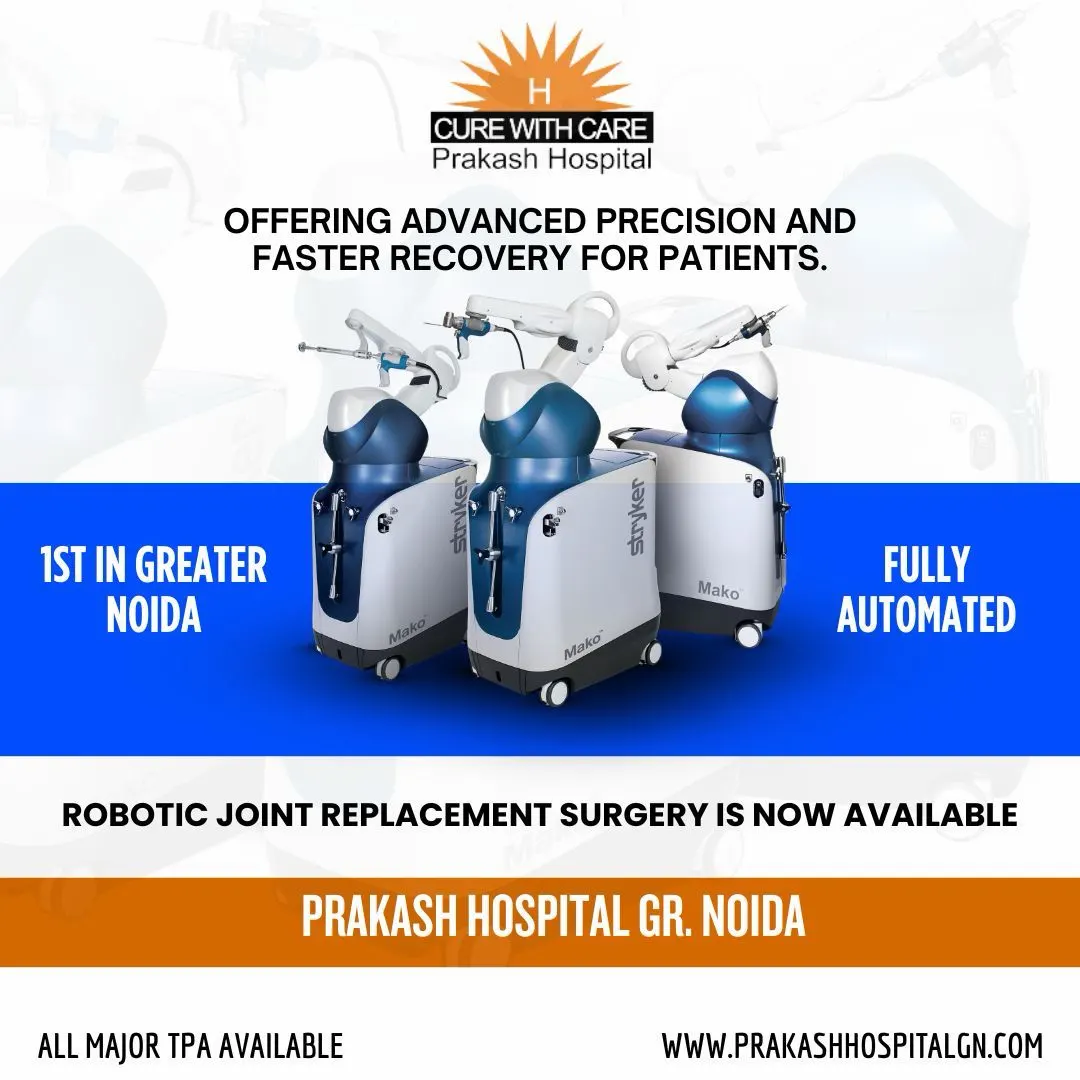
- Joint replacement surgery if other methods don’t work
Dr. Vivek Prakash is known as the best orthopedic doctor in Greater Noida skilled in handling difficult osteoarthritis cases. He focuses on using non-surgical treatments first and moves to surgery when necessary. This helps patients get care that fits their individual needs.
Comprehensive Bone and Joint Care You Can Trust
Prakash Hospital is considered the Best Orthopedic hospital in Greater Noida. It provides advanced facilities and a dedicated team of experts. The orthopedic department delivers complete care to manage osteoarthritis and other joint-related issues.
Advanced Facilities
The hospital includes:
- Advanced tools like high-resolution MRI and CT scanners assist in diagnostics.
- A center exists to help patients recover with physical therapy and rehabilitation.
- Operating theaters designed with cutting-edge tech handle orthopedic surgeries.
- Patients can access focused services to manage and reduce pain.
- Comfortable inpatient rooms cater to orthopedic needs.
Expert Care Team
Led by Dr. Vivek Prakash, the orthopedic team delivers:
- Custom treatment plans tailored to individuals.
- A team approach combining therapists, pain experts, and nutritionists.
- Elderly patients with complex health conditions receive specialized attention.
- Surgery uses invasive methods when required.
- Ongoing care and rehab support after treatment.
Residents of Noida and Greater Noida can now access expert osteoarthritis care at Prakash Hospital. This saves them from traveling to Delhi to get advanced orthopedic treatment.
Patient Experience: A Case Study
Mrs. UMA SHARMA Journey with Knee Osteoarthritis
Mrs.UMA, 68 years old and living in Greater Noida dealt with increasing knee pain over the years. At first, she thought it was just a part of getting older and tried home remedies along with basic painkillers. These provided minor relief. Over time, her pain made it hard to climb stairs, walk even short distances, or join her family gatherings like she used to.
Mrs. UMA visited multiple doctors but did not see much improvement. Her case was then sent to Dr. Vivek Prakash at Prakash Hospital. At her first appointment, she went through a detailed checkup with advanced imaging tests. These tests showed that she had moderate to severe osteoarthritis in both knees.
Dr. Prakash created a tailored treatment plan. It included:
- A planned physical therapy routine
- Advice on managing weight
- Suitable pain relief medications
- Injections of hyaluronic acid
Mrs. UMA followed this plan for six months. She reported:
- Pain levels dropped by 70%
- Mobility became much better
- She could do most of her everyday tasks again
- Her sleep improved
- She needed less pain medicine
“I thought I would never live without constant pain,” Mrs. UMA says. “The team at Prakash Hospital turned things around for me. I’m now able to take walks in the park and enjoy playtime with my grandkids again.”
Mrs. UMA’s case shows why focused care in osteoarthritis matters and how the right treatments can improve life.
Osteoarthritis Management: Comparison of Treatment Approaches
| Treatment Approach | Benefits | Best For | Limitations |
| Physical Therapy | Improves strength and flexibility, No side effects, Can slow progression | Mild to moderate OA, Motivated patients | Requires consistent effort, Results take time |
| Weight Management | Reduces joint stress, Improves overall health, No side effects | Overweight patients, Early-stage OA | Challenging to maintain, Slow results |
| Medications (NSAIDs) | Quick pain relief, Reduces inflammation, Easily accessible | Acute pain flares, Early to mid-stage OA | Potential side effects, Not a long-term solution |
| Corticosteroid Injections | Rapid relief, Targets specific joints, Minimal systemic effects | Moderate to severe pain, Inflammatory flares | Temporary relief (3-6 months), Limited number of injections |
| Hyaluronic Acid | Improves joint lubrication, Longer-lasting than steroids, Few side effects | Moderate knee OA, Patients who failed NSAIDs | Expensive, Variable response rates |
| Joint Replacement | Definitive solution, Dramatic pain relief, Restores function | End-stage OA, Failed conservative treatment | Surgical risks, Recovery period, Implant lifespan concerns |
Frequently Asked Questions About Osteoarthritis
How do osteoarthritis and rheumatoid arthritis differ?
Osteoarthritis happens because of wear and tear on joints over time. It gets worse and shows up in older people. Rheumatoid arthritis happens when the immune system attacks joint linings. It often begins earlier in middle-aged people, and flares up quicker with more swelling.
Can osteoarthritis be prevented?
You cannot prevent osteoarthritis, but you can lower the chances. Keep your weight in check. Protect your joints when being active. Avoid doing the same movements over and over with your joints. Strengthen the muscles around your joints. Stand and sit with good posture.
Is surgery always necessary for osteoarthritis?
Doctors recommend surgery when other treatments do not work. Many people find relief with non-surgical options like physical therapy keeping a healthy weight, medication, or getting injections.
How does obesity affect osteoarthritis?
Carrying extra weight adds stress to weight-bearing joints like your knees and hips. Each pound you gain puts four extra pounds of pressure on your knees. Losing weight can help ease symptoms and slow the condition down.
Can diet really impact osteoarthritis symptoms?
Yes, eating foods with anti-inflammatory properties can lessen inflammation and pain. Foods like fatty fish, olive oil, nuts, fruits, and vegetables are good choices. On the other hand, eating too much processed food, refined sugar, or red meat might make things worse.
At what age does osteoarthritis typically begin?
Osteoarthritis can appear at any age, but symptoms tend to surface most often after 45. As people get older, the chances of developing it rise , with many showing signs by the time they reach 65.
Conclusion: Taking Control of Osteoarthritis
Older adults with osteoarthritis often deal with multiple joints being affected needing detailed management plans. It cannot be cured, but good care can ease pain, boost movement, and make day-to-day living better. Early diagnosis, thorough treatment plans, and consistent follow-up are the key steps to managing it well.
Residents in Greater Noida and Noida who face joint stiffness or pain should get expert care. Proper treatment can help manage osteoarthritis symptoms, so patients can stay independent and enjoy everyday life.
Prakash Hospital in Greater Noida provides full orthopedic care to treat osteoarthritis and other joint problems. The hospital combines advanced tools, skilled doctors, and a team-based approach to offer top-notch care to orthopedic patients in the area.
If you have stiff joints, joint pain, or trouble moving around, don’t just write it off as normal aging. Book an appointment to talk about your symptoms and find treatments to keep you active and free from pain.

- How to Remove Pigmentation From Face Permanently - October 19, 2026
- Back Acne - October 16, 2026
- Skin Allergy Symptoms: Early Warning Signs You Should Never Ignore - October 13, 2026