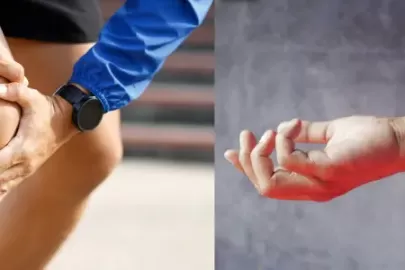
Why Healthy Bones Are Important for Athletes
Sprains and bruises might be what people picture when thinking about sports injuries, but fractures are much more serious can also happen and shouldn’t be dismissed. To avoid these injuries, athletes need to understand the importance of healthy bones. Strong bones serve as the body’s foundation for movement and protection of organs. They also store essential minerals that the body needs, making bone health a vital part of staying active and performing well in sports.
Athletes rely on their skeletons when they train and compete. Weak bones with low density raise the chances of fractures happening. To keep bones in good shape, people should eat well, work out , and use safe training methods. Nutrients like calcium, vitamin D, and protein play a big role in helping bones grow and stay strong.
Common Types of Fractures in Sports and Their Warning Signs
Sports injuries can include anything from tiny stress fractures to serious compound fractures that need quick medical care. Common examples are stress fractures, sudden breaks, and avulsion fractures, all of which call for specific treatment methods. Each type of fracture has its own symptoms and ways of handling it.

Stress Fractures
Small cracks in bones can appear from repeated stress or heavy use. These injuries often happen in bones that carry weight and are seen in runners or jumpers. The signs to notice are:
- Pain that gets worse while moving but eases when resting
- A sore spot you can pinpoint
- Light swelling or redness
- Pain growing stronger as time passes
Acute Fractures
These fractures happen all at once because of an impact, fall, or crash. Contact sports like hockey and football often lead to them. Look for these signs:
- Sharp strong pain right away
- The bone may look out of place or stick out
- Being unable to stand or hold weight
- Major swelling or black-and-blue marks
Avulsion Fractures
This happens when a tendon or ligament takes a small piece of bone along with it pulling it away from the main bone. Sports with quick direction switches often lead to this. Common symptoms include:
- Sudden sharp pain
- Trouble moving the injured spot
- Swelling and soreness
- Bruising close to the area
It’s important to catch these signs . Ignoring them could cause bad healing, ongoing pain, or longer recovery.
Treating Sports Injuries: Expert Care Options
Athletes looking to treat sports injuries in Noida can turn to specialists at orthopedic centers. These places provide full care options, including diagnosis, surgeries, and rehab programs.
Hospitals like Prakash Hospital in Noida provide advanced ways to diagnose and treat fractures. They use advanced tools such as MRI scans with high detail, CT scans, and digital X-rays to find out the type and extent of fractures .
Treatment for fractures in Noida includes modern options that help people heal and recover more using less invasive methods. The approach to treatment changes based on where the fracture is and how bad it is. Common methods are:
- Using braces or casts to keep the broken bone in place
- Surgery with screws, rods, or plates to hold the bone together
- External devices for handling more difficult breaks
- Grafting a new piece of bone for serious injuries
- Using regenerative medical treatments to support healing
Choosing the Right Physiotherapist for Sports Injury Recovery
Healing after sports fractures often involves finding a best physiotherapist in Greater Noida who focuses on athletic recovery. Physiotherapy plays a big part in bringing back strength, mobility, and proper function after such injuries. Experienced physiotherapists create custom rehab plans that move step by step across different recovery phases.
To choose the right physiotherapist aim to find:
- Expertise in sports-related injuries
- Hands-on experience with athletes
- Extra training in orthopedic recovery methods
- An understanding of specific movements tied to your sport
- Proven treatments based on research
Rehabilitation programs in Greater Noida for sports injuries aim to restore strength and help avoid reinjury. The process of recovery involves the following steps.
- Techniques to manage pain
- Slow and steady movement exercises
- Gradual training to build strength
- Balance and body awareness workouts
- Functional exercises designed for specific sports
- Steps to get back to playing
Consulting an Orthopedic Specialist for Sports Fractures
Dr. Vivek Prakash is considered the best orthopedic doctor in greater noida when it comes to handling tough sports fractures. He has broad expertise in both sports injuries and orthopedic surgeries offering thorough care to athletes at all skill levels. His method blends cutting-edge surgical procedures with tailored recovery plans to help patients heal .
When you meet an orthopedic doctor about sports fractures here’s what you can expect:
- Careful checkup of the injury
- Complete diagnostic tests
- Clear explanation of treatment choices
- Customized plan for treatment
- Simple recovery timeline with set goals
- Advice on returning to sports activities
Sports Injury Treatment: Expert Orthopedic Care
Prakash Hospital is a top choice in Greater Noida to treat sports-related injuries. It offers advanced facilities such as:
- Modern diagnostic imaging tools
- Dedicated orthopedic operation rooms
- Full-fledged rehab center
- Sports medicine experts
- Skilled doctors and surgeons
- Focused care designed for each patient
The hospital’s team works together to give ongoing care starting with diagnosis all the way to rehab. This helps patients recover faster and lowers the risk of problems.
Prevention Strategies for Sports Fractures and Maintaining Bone Health
Quick diagnosis and timely treatment can help avoid lasting damage from sports fractures and support full recovery. Still, the best way to deal with such injuries is to stop them before they happen.
Sports injury experts in Noida suggest warm-ups and strength-building to keep bones strong. Some ways to prevent injuries are:
- Eating Right: Get enough calcium, protein, and vitamin D to keep your bones strong.
- Ramping Up Training: Increase your exercise intensity and duration to avoid risks.
- Using the Right Gear: Wear shoes and safety equipment designed for your specific sport.
- Practicing Good Form: Stick with proper techniques when participating in athletic activities.
- Taking Breaks: Give your body enough time to recover between tough workouts.
- Switching Up Activities: Do a mix of exercises to avoid putting too much stress on the same bones.
- Getting Bone Checkups: High-risk athletes should schedule regular bone density tests.
Data Table: Comparison of Common Sports Fractures
| Fracture Type | Common Sports | Recovery Time | Treatment Approach | Prevention Strategies |
| Stress Fracture | Running, Basketball, Gymnastics | 6-8 weeks | Rest, immobilization, gradual return | Proper footwear, gradual training progression, adequate nutrition |
| Acute Fracture | Football, Hockey, Rugby | 6-12 weeks | Immobilization or surgery, rehabilitation | Protective equipment, proper technique, conditioning |
| Avulsion Fracture | Soccer, Tennis, Baseball | 4-6 weeks | Rest, immobilization, physical therapy | Proper warm-up, flexibility training, strength conditioning |
| Comminuted Fracture | Skiing, Snowboarding, Motocross | 12+ weeks | Surgery, extensive rehabilitation | Appropriate equipment, skill-level appropriate activities |
| Greenstick Fracture | Youth sports, Gymnastics | 4-8 weeks | Immobilization, activity modification | Age-appropriate activities, proper supervision, technique training |
Case Study: Athlete’s Journey Through Sports Fracture Recovery
Rahul, a semi-pro cricket player aged 24 from Noida, suffered a stress fracture in his lower back while training . At first, he thought the ongoing pain was just regular muscle soreness and kept pushing through his workouts. This ended up making the injury much worse.
When the pain became unbearable, Rahul sought help from experts at Prakash Hospital. After running diagnostic imaging tests, the doctors found a lumbar stress fracture that needed immediate care. The orthopedic team at the hospital created a detailed recovery plan for Rahul, which included:
- Start with taking a break and reducing activity.
- Use a brace to keep the injured area stable.
- recover by working with a physiotherapist.
- Get advice on eating right to boost bone strength.
- Adjust the training routine to safely get back to playing sports.
“The hardest thing was realizing I had to stop ,” Rahul says. “Sticking to the rehab plan changed everything for me. The physiotherapists came up with exercises just for cricket, which helped me rebuild my strength without risking my back.”
After spending four months in rehab and treatment, Rahul made his way back to competitive cricket. He returned with better technique and a clearer idea of how to avoid injuries. “I focus more on bone health now by eating right and training smart. This whole journey showed me how important it is to pay attention to my body and get medical help if something feels wrong. It’s key to staying in the game for the long haul.”
Frequently Asked Questions About Sports Fractures
Q: How do I know if it’s a fracture or just a bad bruise?
A: Both can hurt and cause swelling, but fractures often come with more severe pain, possible visible deformities, and the inability to put weight on the area. The pain tends to get worse when you try to move. If you’re unsure, getting checked by a doctor makes a big difference for proper healing.
Q: Do some athletes break bones more than others?
A: Yes, athletes dealing with low bone strength, poor nutrition, irregular menstrual cycles in females, or past fractures are more likely to break bones. Sports involving heavy impacts or repetitive movements also raise the chance of fractures.
Q: How long will I have to stay away from my sport if I break a bone?
A: The time off depends on factors like the type of break, its location, how severe it is, and how someone heals. A simple stress fracture might take around 6 to 8 weeks to heal, but more serious breaks can take anywhere from 3 to 6 months or more before you’re ready to play again.
Q: Can I heal a broken bone faster?
A: You cannot make the body heal quicker, but you can help it recover better. Follow what your doctor recommends, eat food rich in calcium and vitamin D, stay away from smoking and too much alcohol, and stick to the rehab exercises they give you.
Q: What should I consider while looking up a sports injury clinic nearby?
A: Focus on clinics with specialists in sports medicine, skilled orthopedics, proper diagnostic tools, and rehab services in one place. Checking reviews from patients and verifying the specialists’ qualifications can also help you pick the right clinic.
Conclusion: Prioritizing Bone Health for Athletic Longevity
Sports fractures are harmful injuries that need both attentive care and proper treatment plans. Knowing how vital strong bones are and taking steps to prevent injuries can lower the chances of getting hurt. For athletes in Noida and Greater Noida, access to an expert orthopedic hospital in Greater Noida opens doors to better recovery and getting back to playing.
Acting early plays a big role in getting good results. Do not ignore ongoing pain or discomfort during sports. These might hint at a forming fracture. Most athletes, with the right care, can heal from fractures and get back to sports when guided by healthcare experts.
To stay in the game longer and avoid injuries, athletes should focus on bone health by eating right, training smart, and visiting the doctor . If injuries happen, top-notch orthopedic care in Noida and Greater Noida helps athletes get the right treatment for a full recovery.

- Baby Eczema - September 30, 2026
- How to Get Fair Skin - September 28, 2026
- Best Hand Creams for Dry Skin - September 24, 2026