Parents often feel alarmed when they notice unusual sores or rashes on their kids. Many start wondering about hand-foot-mouth disease when their little one shows these signs. Hand, foot and mouth disease (HFMD) is a common viral infection in kids. It is most common in children under 5 years of age, but older children and even adults can get it. It comes with distinct symptoms that need to be recognized and managed carefully.
Since it spreads quickly among young children in schools or daycare centers, parents in areas like Greater Noida and Noida should stay alert to the warning signs and know when to seek medical help. Visiting an experienced best multispeciality hospital in Noida ensures proper diagnosis, expert care, and timely treatment to help your child recover safely and comfortably.
Table of Contents
What Is Hand, Foot and Mouth Disease in Children?
Hand, foot and mouth disease, commonly called HFMD, is a contagious viral infection that mainly affects young kids. It causes fever, painful sores in the mouth, and a rash on the hands and feet, which is how it gets its name. Parents sometimes call it “hand mouth disease” or “foot mouth disease.” It is usually mild and gets better on its own within 7–10 days.
HFMD Age Group: Who Gets It Most?
- Most common: Children under 5 years, especially toddlers aged 1–4
- Babies: Infants can get HFMD, often from older siblings or caregivers
- Older children and adults: Can also get it, usually with milder symptoms, and can spread it without knowing
Children in daycare, playschool, and preschool are at higher risk because the virus spreads easily in groups.
Is HFMD the Same as Foot-and-Mouth Disease?
No. Foot-and-mouth disease is a different illness that affects cattle, pigs, and sheep. It does not spread to children. Hand, foot and mouth disease (HFMD) is a human infection caused by different viruses. The two are not related.
HFMD Symptoms in Kids: What to Look For
Spotting the symptoms of HFMD in kids early helps parents get the right care for their child. This illness shows specific symptoms that show up in a clear order. At first, kids might have a fever, feel tired, or complain of a sore throat. These early signs often get mistaken for a regular cold. But after a day or two more noticeable symptoms show up.
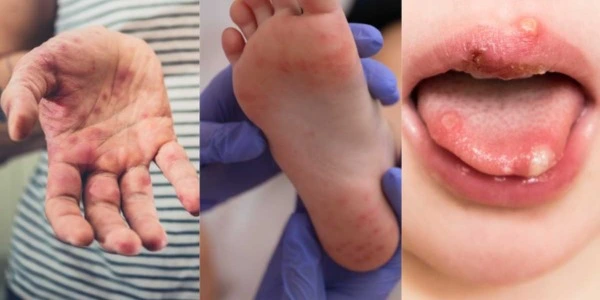
Key signs include painful sores in the mouth. These start as tiny red dots or blisters on places like the tongue, gums, and inner cheeks. These sores often make it hard for kids to eat or drink . Around the same time, children may also develop a rash on the palms of their hands and soles of their feet. The rash can also appear on the buttocks, legs, arms, or diaper area.. This rash begins as red spots, which sometimes turn into blisters with fluid inside.
Parents need to look out for other signs like poor appetite, cranky behavior, or overall feeling unwell. Some kids might also have light diarrhea or throw up. The fever tied to this illness can be mild or high and may even climb between 101 and 103°F, which is about 38 to 39°C.
What Does Hand, Foot and Mouth Look Like in Kids?
- Mouth: Small red spots that turn into painful ulcers on the tongue, gums, inside the cheeks, and back of the throat. Your child may drool or refuse food.
- Hands and feet: Flat or slightly raised red spots, sometimes with small grey-white blisters, mainly on the palms and soles
- Other areas: Spots may also appear on the buttocks, knees, elbows, and diaper area
- On darker skin: The rash may look darker, brown, or purplish instead of red.
- Itch: The rash is usually not itchy, but may be sore when the child walks or holds things.
In some children, especially with Coxsackievirus A6, the rash can be more widespread and blisters can be larger.
Stages of Hand, Foot and Mouth Disease in Toddlers and Children
Knowing how hand foot and mouth disease plays out helps parents to understand what happens as their child gets better. The illness has a clear pattern that lasts around 7 to 10 days starting from the first symptoms until full recovery.
Stage 1: Incubation Period (3-7 days)
The virus grows inside the body during this stage, but it does not show obvious signs. Even though kids seem fine, they can still spread the virus.
Stage 2: Early Symptoms (1-2 days)
This is when signs like a mild fever, tiredness, sore throat, and less hunger start to show. Some kids might also get light diarrhea at this point.
Stage 3: Active Disease (Days 2–7)
Mouth sores and a skin rash show up during this phase. Kids may still have a fever and feel the worst at this stage. A clear rash with small blisters often forms on their hands and feet.
Stage 4: Recovery (3-5 days)
Some children lose one or more fingernails or toenails a few weeks after recovery. This looks worrying but is harmless, and the nails grow back normally.
What Causes Hand, Foot and Mouth Disease in Children?
Knowing what leads to hand foot mouth disease can help parents work to prevent it. Enteroviruses such as Coxsackievirus A16, Coxsackievirus A6, and Enterovirus A71 are the main causes. Enterovirus A71 is more common in Asia and is more likely to cause serious complications. These viruses spread in many ways.
The virus passes easily through respiratory droplets when someone infected coughs or sneezes. People can also spread it by touching dirty surfaces, toys, or personal belongings. It can even spread through contact with the blister fluid of someone who is sick. The fecal-oral route plays a big role too in daycare centers where caregivers may change diapers or wash hands .
Kids are most likely to spread the virus in the first week they feel sick. However, the virus stays in their stool for weeks even after they seem to recover. This long-lasting shedding is why staying clean and practicing good hygiene is so important to keep it from reaching others at home or school.
HFMD in Babies: Causes and What Parents Should Know
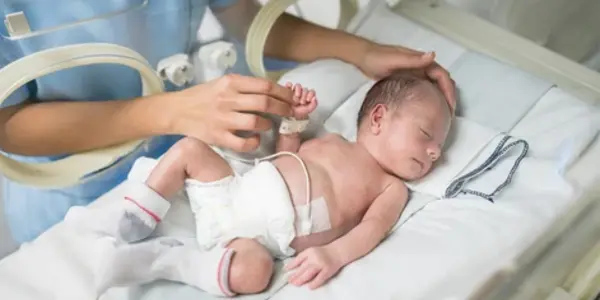
Babies usually catch HFMD from older brothers or sisters, other children, or adults who carry the virus, often without symptoms. It spreads through saliva, coughs, sneezes, blister fluid, and dirty diapers.
In babies, watch for:
- Fever and unusual crankiness
- Refusing breastfeeds or bottle feeds because of mouth pain
- Drooling more than usual
- Fewer wet diapers (a sign of dehydration)
- Rash on the hands, feet, buttocks, or diaper area
Always consult a pediatrician if a baby under 6 months shows signs of HFMD, as young babies can become dehydrated quickly and need closer monitoring.
Effective Hand Foot Mouth Disease Treatment Options
There is no exact cure for hand foot and mouth disease, but supportive care helps ease symptoms. The main goal is to make children feel at ease while their immune system works against the virus.
Managing pain is important when mouth sores cause trouble with eating or drinking. Medicines like paracetamol (acetaminophen) or ibuprofen can lower fever and ease pain. Give the dose based on your child’s weight, as advised by your pediatrician, and give ibuprofen only if your child is drinking well. Children should not take aspirin because it can lead to Reye’s syndrome.
Keeping kids hydrated matters a lot because mouth sores can make them avoid drinking enough fluids. Serving cool soft foods and drinks can help soothe the discomfort. Things like popsicles, ice cream, or cold milk are easier for them to handle. Staying away from spicy or acidic foods is necessary to prevent further irritation of the sores.
Do not burst the blisters. Let them dry on their own, and keep your child’s nails short to avoid scratching.
Why Hand Foot Mouth Disease in Children Requires Special Attention
Hand foot mouth disease in kids follows a clear pattern and tends to last around 7 to 10 days. While it often clears up on its own, some situations need a doctor’s attention right away. Parents should watch out for warning signs that mean help is needed.
Mouth sores can make drinking hard and lead to dehydration. A child who is dehydrated might pee less, have a dry mouth, seem very tired, or get cranky. Babies and younger kids can become very dehydrated , so parents need to stay alert.
Once in a while serious problems like viral meningitis, encephalitis, or myocarditis might show up. If a child has a bad headache, stiff neck, trouble breathing, chest pain, or keeps having a high fever, they should see a doctor right away. Also watch for unusual sleepiness, sudden jerky movements (especially during sleep), repeated vomiting, or weakness in the arms or legs. These can be early signs of brain or nerve involvement.
Hand Foot Mouth Disease Prevention Strategies for Parents
Parents can lower the chances of infection by following simple hand foot mouth disease prevention tips. Keeping things clean and practicing good hygiene play a key role in stopping its spread.
The best way to prevent this disease is to wash hands with soap and water for 20 seconds. Parents should do this after using the restroom, diaper changes, and before meals. If soap and water aren’t handy, using an alcohol-based sanitizer can still help for a short time.
Cleaning surfaces and items that are touched often can cut down on germs. Focus on wiping down doorknobs, switches, and any shared toys at home or in daycare areas.
Keeping a safe distance from sick individuals during the early stages of their illness reduces the chances of spreading it. Kids need to stay home from school or daycare until they have gone 24 hours without a fever and their mouth sores are healed well enough for them to eat and drink .
Avoid sharing cups, spoons, towels, and toothbrushes, and don’t kiss or hug a sick child’s face closely until they recover.
Specialized Care for Children
To get reliable care, parents can visit a trusted best pediatric hospital in greater noida where they will find thorough treatment plans and expert advice. Prakash Hospital is a multispeciality hospital in Noida offering pediatric services tailored to meet children’s specific health requirements.
The pediatric department at the hospital provides emergency care around the clock. It makes sure parents can get skilled medical help whenever their child needs it. The hospital also creates a space designed to feel comfortable for kids. This effort helps ease worries for both children and their parents during doctor visits.
Consulting an Experienced Pediatrician in Greater Noida
Visiting an experienced pediatrician in Greater Noida is the best way to ensure your child gets proper treatment for hand foot mouth disease or any other health issue. At Prakash Hospital, the medical team has plenty of experience dealing with viral infections in kids. They offer expert advice to parents and help them feel reassured in stressful times.
The hospital focuses on family-centered care to include parents in making treatment choices and to teach them about managing care at home. Working together like this supports the best results for young patients.
HFMD Quick Reference Data Table
| Aspect | Details |
| HFMD Age Group | Mostly children under 5 years, especially 1–4 years; older children and adults can also get it |
| Incubation Period | 3-7 days |
| Total Duration | 7-10 days |
| Peak Contagious Period | First week of illness |
| Common Symptoms | Fever, mouth sores, hand/foot rash, sore throat |
| Transmission Routes | Respiratory droplets, contaminated surfaces, blister fluid, fecal-oral |
| Treatment | Supportive care, pain management, hydration |
| Prevention | Hand hygiene, surface disinfection, isolation during acute phase |
| Complications | Dehydration (most common), rarely meningitis or encephalitis |
| Return to School | After fever-free 24 hours and mouth sores healed |
When Professional Medical Care Becomes Essential
Aspect Details Age Group Most Affected Kids younger than 5 years (56.Children between 1 and 4 years account for about 7% of cases. The illness takes 3 to 7 days to show symptoms after exposure. It lasts 7 to 10 days. During the first week, people are most contagious. Common signs include fever, sores in the mouth, a rash on hands and feet, and throat pain. The disease spreads through respiratory droplets, contact with contaminated surfaces, blister fluid, or through fecal matter.
Hand, foot and mouth disease usually clears up at home in 7–10 days. Take your child to a doctor right away if they have:
- Signs of dehydration: no urine for 6–8 hours, dry mouth, no tears, or unusual tiredness
- Refusal to drink because of mouth pain
- Fever above 102°F (39°C) for more than 3 days
- Severe headache, stiff neck, or unusual sleepiness
- Sudden jerky movements, weakness, or trouble walking
- Fast or difficult breathing, or chest pain
- Age under 6 months with any symptoms of HFMD
- Symptoms that don’t improve after 10 days
Treatment focuses on managing pain, staying hydrated, and providing supportive care. Good handwashing practices, cleaning surfaces, and staying isolated during the peak infectious stage help to prevent it. The most common issue is dehydration, though in rare cases, meningitis or encephalitis can happen. Kids can return to school once they have no fever for 24 hours and their mouth sores are better. Sorry, it seems you’ve provided placeholders instead of actual content. Could you paste the text you’d like me to paraphrase? I’ll be happy to help. When Medical Help Becomes Critical
Hand foot mouth disease often clears up at home, but some cases need a doctor’s attention. Parents should take their child to a doctor if there are signs of dehydration, trouble swallowing strong headaches, or breathing problems.
Doctors give thorough examinations and offer treatments that match what each child needs. With advanced testing tools and a focus on kids’ health, families can feel confident their child is getting top-quality care.
Knowing about hand foot and mouth disease helps parents care for their kids at home and know when a doctor’s help is needed. By preventing the illness, spotting symptoms early, and seeking expert care at the right time, kids can recover well from this common viral sickness without major issues.
Frequently Asked Questions
Q: What is HFMD in kids?
HFMD (hand, foot and mouth disease) is a common viral infection in children that causes fever, painful mouth sores, and a rash on the hands and feet. It usually gets better on its own in 7–10 days.
Q: What are the symptoms of HFMD in kids?
Common symptoms include fever, sore throat, poor appetite, painful mouth ulcers, and a red spotty rash or small blisters on the palms, soles, buttocks, or diaper area.
Q: What age group gets hand, foot and mouth disease?
HFMD is most common in children under 5 years, especially toddlers aged 1–4. Babies, older children, and adults can also get it.
Q: What does hand, foot and mouth look like in children?
It looks like small red spots or grey-white blisters on the palms and soles, with painful ulcers inside the mouth. The rash may look darker on brown skin.
Q: What are the stages of hand, foot and mouth disease in a toddler?
There are four stages: incubation (3–7 days with no symptoms), early symptoms (fever, sore throat), active disease (mouth sores and rash), and recovery (fever goes away and blisters dry up). The whole illness lasts about 7–10 days.
Q: Is hand, foot and mouth disease the same as foot and mouth disease?
No. Foot-and-mouth disease affects animals like cattle and does not affect humans. Hand, foot and mouth disease is a different human infection.
Q: How long is HFMD contagious?
Children are most contagious in the first week of illness, but the virus can stay in stool for several weeks. Good handwashing helps prevent spread.
Q: When can my child go back to school after HFMD?
Usually after they have been fever-free for 24 hours, their blisters have dried, and they are eating and drinking well. Follow your school’s and doctor’s advice.

- Reasons for Dry Skin - October 10, 2026
- Hyperpigmentation Vitamin B12 Deficiency - October 6, 2026
- Forehead Pimples Reason - October 3, 2026