How the NICU Helps Babies With Breathing Problems After Birth
When a newborn has trouble breathing, quick action is crucial. The Neonatal Intensive Care Unit (NICU) provides life-saving support to these tiny and fragile infants. Without it, survival becomes difficult. When a baby is born with breathing problems, parents often feel scared and helpless. At Prakash Hospital in Greater Noida, our experienced pediatric and NICU team understands the fear parents feel when their new born baby is in the NICU.
This article explains how today’s NICU services assist babies in overcoming respiratory challenges and highlights the importance of choosing the right medical team. Infant Respiratory Distress Syndrome affects thousands of newborns each year. These infants need immediate care in the NICU because their lungs are not fully developed, making breathing extremely difficult. Without timely and expert medical attention, these babies can face serious, long-term complications.
Table of Contents
What Causes Breathing Problems in Newborn Babies?
Breathing problems in newborns can have several causes:
- Respiratory distress syndrome (RDS): Lungs not fully developed, mostly in premature babies
- Transient tachypnea of the newborn (TTN): Extra fluid left in the lungs, common after C-section
- Meconium aspiration: Baby breathes in its first stool (meconium) during or before birth
- Infection (pneumonia or sepsis): Germs from the mother or birth canal
- Persistent pulmonary hypertension (PPHN): High pressure in the lung blood vessels after birth
- Birth asphyxia: Low oxygen during labour or delivery
- Heart or lung defects present from birth: Such as congenital heart disease or diaphragmatic hernia
Baby Breathing Problems After C-Section
During a normal delivery, pressure in the birth canal helps squeeze fluid out of the baby’s lungs. After a C-section, especially a planned one before 39 weeks, some of this fluid stays behind. The baby may breathe fast for the first few hours. This is called transient tachypnea of the newborn (TTN). It usually settles within 24–72 hours with oxygen or CPAP support.
Respiratory Distress Syndrome: When Newborn Lungs Are Not Fully Developed
Babies born early, especially before 34 weeks, are most likely to have respiratory distress syndrome (RDS). A newborn baby’s lungs are not fully developed until about 36 weeks of pregnancy. Before then, the lungs may not make enough surfactant, a natural substance that keeps the tiny air sacs open. Without it, the air sacs collapse and the baby struggles to breathe.
Signs of neonatal respiratory distress often show up just a few hours after birth. Parents might see their baby breathing too fast, hear soft grunting noises, or notice a bluish color near the lips and fingernails. These signs mean the baby needs urgent care from specialists who know how to handle newborn breathing problems.
Research shows that acting early greatly improves the baby’s chances. With timely NICU care, most babies with RDS, especially those born after 30 weeks, survive and recover well. This high success rate highlights how important advanced neonatal care facilities are for saving lives.
Advanced NICU for Babies: Life-Saving Technologies
The NICU for babies today uses advanced technology that seemed unreal a few decades back. When a NICU baby is on a ventilator, the machine helps them breathe by giving just the right amount of oxygen and air pressure they need. These machines keep track of every breath and adjust if any changes happen.
CPAP machines give softer breathing help to babies who can breathe on their own but still need help to keep their airways open. This method avoids a breathing tube and lowers the chance of problems while helping with breathing support. New improvements have made CPAP machines both more comfortable and more useful than before.
Doctors use surfactant replacement therapy as a key treatment for respiratory distress. They deliver artificial surfactant straight into the baby’s lungs. This method keeps the air sacs open and working as they should. It has been a major breakthrough in helping premature babies survive and recover.
Hospitals rely on advanced monitoring systems to watch vital signs nonstop. These systems track heart rate, breathing, oxygen levels, and blood pressure. They send real-time alerts helping medical teams make treatment choices based on the latest data.
A soft tube is placed into the baby’s windpipe, and the machine gently gives breaths. As the lungs improve, doctors slowly reduce the support (“weaning”). Most babies move from the ventilator to CPAP, then to room air. Many babies need a ventilator for only a few days.
Newborn Baby Oxygen Problem: Why Oxygen Levels Are Watched Closely
Low oxygen can harm a baby’s brain and organs, so the NICU team keeps oxygen levels in a safe range. Too much oxygen can also be harmful for premature babies, especially to their eyes. This condition is called retinopathy of prematurity (ROP), so premature babies are checked by an eye specialist. Oxygen may be given through a small nasal tube, a hood, CPAP, or a ventilator.
Why Is a Baby on a Ventilator After Birth?
Seeing your baby on a ventilator after birth can be frightening. A ventilator is used when a baby:
- Is too premature or tired to breathe well on their own
- Has very low oxygen levels despite CPAP
- Has severe RDS, meconium aspiration, or infection
- Needs support after surgery
Newborn Baby Breathing Problem Treatment in the NICU
Treating neonatal respiratory distress syndrome involves several different steps. Medical teams start by stabilizing the baby . They focus on giving enough oxygen and making sure no new complications arise. This first step is key in deciding how well the treatment goes.
Hyaline membrane disease is another name for respiratory distress syndrome, and NICU specialists treat it using advanced methods. This serious illness causes a membrane-like buildup in the lungs that blocks normal gas exchange. Doctors often use mechanical ventilators along with surfactant therapy to help lungs function again.
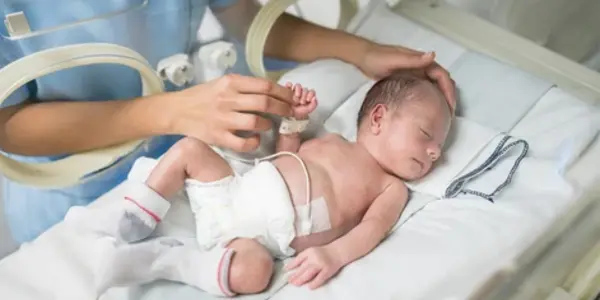
Keeping the baby’s temperature stable is also important for successful treatment. Premature babies struggle to hold their own body heat. Special incubators create a steady environment that helps them heal and saves energy for breathing and growing.
Treatment Outcomes and Success Rates
| Treatment Type | Success Rate | Mortality Rate | Major Complications |
| Non-invasive Support | 92.3% | 2.1% | 5.6% |
| Mixed Support | 73.9% | 8.5% | 17.6% |
| Invasive Support | 10.9% | 35.2% | 54.1% |
| Surfactant Therapy | 85.7% | 4.3% | 10.0% |
| Treatment Type | When It’s Used | Outlook |
|---|---|---|
| Non-invasive support (CPAP, oxygen) | Mild to moderate breathing difficulty | Most babies recover fully |
| Surfactant therapy | Premature babies with RDS | Greatly improves lung function |
| Mechanical ventilator | Severe breathing difficulty | Life-saving; outcome depends on prematurity and illness |
Newborn Baby Breathing Problems Recovery Time
| Condition | Usual Recovery Time |
|---|---|
| Transient tachypnea (after C-section) | 1–3 days |
| Mild respiratory distress syndrome | Several days to 1–2 weeks |
| Severe RDS in very premature babies | Several weeks, sometimes until near the due date |
| Meconium aspiration | A few days to 2 weeks |
| Pneumonia or infection | 7–14 days of treatment |
Most babies go home breathing normally. Some very premature babies may need extra oxygen at home or regular follow-up checks for their lungs, eyes, and development.
Recent clinical studies show promising improvements in NICU care. Babies receiving non-invasive breathing support experience the best recovery, with more than 92 percent avoiding serious complications. This highlights how early care and proper treatments matter a lot.
The data shows that the kind of treatment chosen has a major effect on results. Babies who get non-invasive support have a 2.1% death rate, while the rate jumps to 35.2% for babies who need invasive procedures. These results highlight the importance of early care, so that many babies can be managed with gentler support.
HELLP Syndrome in Pregnancy: How It Can Affect Your Baby’s Breathing
What Is HELLP Syndrome in Pregnancy?
HELLP syndrome is a serious pregnancy complication, usually linked to severe preeclampsia (high blood pressure in pregnancy). The name stands for:
- Hemolysis: breakdown of red blood cells
- EL: Elevated Liver enzymes
- LP: Low Platelet count
It usually appears in the third trimester, and sometimes after delivery. Warning signs include pain in the upper right side of the abdomen, headache, nausea or vomiting, blurred vision, sudden swelling, and high blood pressure. Any of these needs urgent medical care.
Why HELLP Syndrome Matters for Your Baby
The main treatment for HELLP syndrome is delivering the baby, often before the due date. Babies born early may have lungs that are not fully developed, so they may need NICU breathing support. When time allows, doctors give the mother steroid injections before delivery to help mature the baby’s lungs and reduce breathing problems.
Why Choose Expert Care for Your Baby’s Health
Choosing a multispeciality hospital in Noida with a NICU ensures your baby gets care from various specialists working in sync. Breathing problems in newborns often need attention from neonatologists, lung specialists, and pediatric surgeons collaborating .
At Prakash Hospital, specialists from various fields work together right away if there are complications. This teamwork helps avoid delays that might be dangerous during emergencies. Experienced professionals on the team share their special skills to provide the best care for your baby.
The hospital stays open and ready all the time making expert care available whenever it is needed. Since problems like respiratory distress can happen anytime, having specialists on hand day and night offers families real peace of mind.
Comprehensive Care for Every Child
Prakash Hospital is a trusted pediatric hospital in Greater Noida with a strong focus on neonatal care. The NICU uses advanced medical tools such as modern ventilators, CPAP machines, and continuous monitoring systems.
A skilled team manages all kinds of NICU breathing challenges with care and accuracy. Staff members update their knowledge by learning the latest treatment methods. This ensures that every baby receives up-to-date medical attention.
The hospital believes that parents are key to their baby’s recovery. It offers education and guidance to help families learn about their baby’s health and take part in the care process. Working together in this way can lead to better outcomes and ease the stress for families during tough times.
Patient Experience: A Success Story
Baby Arjun was born 8 weeks early at Prakash Hospital, struggling with serious breathing problems. His parents Priya and Rajesh, felt terrified as they watched their tiny son fight to breathe.
Priya shared, “When we saw him in the NICU with all those machines, it was overwhelming. But the doctors explained things step by step and included us in every choice.”
Learning how NICUs handle babies with trouble breathing can bring comfort to families during tough times. Arjun was given surfactant therapy and placed on CPAP support. Within two days, his breathing improved, and he soon started feeding and gaining weight.
“The nurses showed us the right way to hold him and even guided us with feeding,” says Rajesh. “We always felt included and part of his care team, not just observers.”
Arjun went home after spending three weeks in the NICU. He left as a healthy baby. Now, at six months old, he has no breathing issues and is hitting all his developmental goals.
Frequently Asked Questions
What does RDS mean?
RDS means Respiratory Distress Syndrome. This condition happens in newborns when their lungs do not have enough surfactant to work as they should.
How long do babies stay in the NICU for breathing problems?
It depends on the cause and how early the baby was born. Babies with temporary fast breathing (common after C-section) may need only 1–3 days. Mild RDS usually needs about 1–2 weeks. Premature babies with severe breathing problems may stay several weeks, often until close to their original due date.
Can parents see their baby in the NICU?
Confirm the “24-hour access” and “spaces for parents to stay” details with the hospital before publishing. Keep the text only if it’s accurate.
Will NICU respiratory treatment cause future problems?
Most babies who receive proper care in the NICU recover and do not experience long-term issues. With early treatment and good medical attention, the chances of problems later on are reduced.
What causes breathing problems in newborn babies?
Common causes include lungs not fully developed (RDS), fluid in the lungs after C-section (TTN), meconium aspiration, infections, and heart or lung defects present from birth.
Why do babies have breathing problems after C-section?
Babies born by C-section miss the natural squeeze of the birth canal that pushes fluid out of the lungs. This can cause fast breathing for the first 1–3 days, which usually settles with simple support.
What is the treatment for newborn baby breathing problems?
Treatment depends on the cause and may include oxygen, CPAP, surfactant therapy, a ventilator, antibiotics for infection, warmth, and careful feeding support in the NICU.
How long is a baby on a ventilator after birth?
Many babies need a ventilator for only a few days. Very premature or very sick babies may need it longer. Doctors reduce support slowly as the lungs get stronger.
What should I do if my newborn is breathing fast at home?
Seek medical help immediately if your baby breathes more than 60 times a minute, grunts, has flaring nostrils, has blue lips, stops breathing for more than 20 seconds, or feeds poorly.
What is HELLP syndrome in pregnancy?
HELLP syndrome is a serious pregnancy complication involving breakdown of red blood cells, raised liver enzymes, and low platelets. It often requires early delivery, and the baby may need NICU breathing support.
Conclusion
The NICU offers a lifeline to families dealing with the terrifying challenge of newborn breathing problems. Using modern tools, skilled doctors, and family-focused care, babies who used to have uncertain futures now have strong chances to recover .
At Prakash Hospital, we bring together experienced pediatric care in Greater Noida, cutting-edge medical tools, and a caring approach. Picking the right healthcare team is vital when your baby needs breathing support. It ensures your family gets the best outcome possible.

- Baby Eczema - September 30, 2026
- How to Get Fair Skin - September 28, 2026
- Best Hand Creams for Dry Skin - September 24, 2026