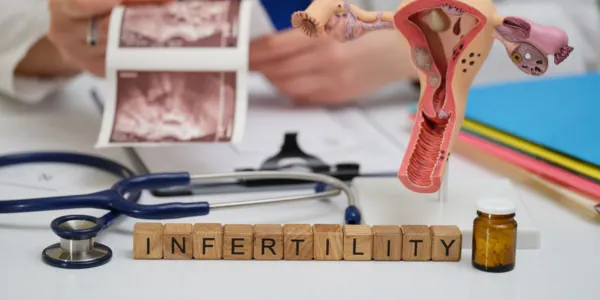
Each month countless women experience what they assume is typical menstrual pain. Many of them don’t realize that a condition called adenomyosis might be the real reason behind their discomfort. This often unnoticed issue impacts as many as 31% of women dealing with fertility problems. However, it goes undetected because its early signs can be mild and its symptoms can be mistaken for other gynecological disorders. Recognizing the signs of adenomyosis is key to diagnosing and managing it when consulting the best gynecologist doctor in greater noida area.
What is Adenomyosis: Understanding This Hidden Condition
A lot of women wonder, “What is adenomyosis?” when they deal with intense menstrual pain that gets worse over time. Adenomyosis happens when endometrial tissue, which should line the uterus starts to grow inside the muscle layer of the uterus known as the myometrium. Unlike endometriosis where the tissue develops outside the uterus, adenomyosis means it grows within the wall of the uterus itself.
This condition makes the uterus grow larger, sometimes even two or three times its normal size. The displaced endometrial tissue still behaves the same as it does during a menstrual cycle. It thickens, breaks down, and bleeds like usual. But since this tissue is stuck inside the uterine muscle, it cannot leave the body. This leads to a swollen and tender uterus, along with periods that become more painful over time.
Epidemiological studies show that focal adenomyosis affects 17% of women, while diffuse adenomyosis impacts 15% of the female population. Among women dealing with infertility, the prevalence is even higher, with 31% being affected. Because of this early diagnosis and treatment play a critical role in protecting reproductive health.
Recognizing Adenomyosis Symptoms: When Period Pain Becomes Severe
Symptoms of adenomyosis tend to appear leading many women to brush them off as regular period pain at first. The main signs include intense cramps that keep getting worse, heavy periods that affect 40-60% of women, and constant pelvic pain that doesn’t stop after your period ends.
Many women with adenomyosis feel pain even after their period is over. This kind of pain is different from normal cramps, which usually go away after the bleeding ends. Some women also endure pain before their period starts causing a constant cycle of discomfort that disrupts daily life. Other signs include feeling bloated, a sense of heaviness in the belly, painful sex, and problems with getting pregnant.
Adenomyosis pain feels different from regular period cramps because it is often more intense and lasts longer. Ongoing discomfort from adenomyosis can affect a woman’s daily life and well-being. Managing this pain may need more robust treatments than typical over-the-counter drugs.
Accurate Diagnosis: Advanced Techniques Available
Doctors need advanced imaging tools and experience to diagnose adenomyosis . Transvaginal ultrasound, or TVUS, has a sensitivity of 78.5% and a specificity of 70.7% when spotting adenomyosis. MRI provides better accuracy with a higher specificity rate of 87.5%, though its sensitivity is lower at 64.8%.
Doctors start the diagnosis by taking a full medical history, doing a pelvic exam, and running imaging tests. Skilled gynecologists notice key signs like a larger uterus, uneven thickening of the uterine wall, or certain ultrasound features that point to adenomyosis.
Effective Adenomyosis Treatment Options Available Today
Today newer ways to treat adenomyosis give hope to women dealing with it. Treatments can vary from simpler management methods to surgeries, based on how serious the symptoms are, a woman’s age, and her fertility plans.
Conservative treatments involve using NSAIDs to manage pain hormonal options like birth control pills or IUDs, and methods such as applying heat for relief. Women hoping to preserve their ability to have children have seen promising results with adenomyomectomy. This procedure has shown pregnancy success rates of 50.1% and delivery rates of 39.5%.
Another modern option is image-guided thermal ablation. It has led to pregnancy rates of 52.0% in women who want to keep the chance of having children. For women who no longer plan to have kids, a hysterectomy offers complete symptom relief and is considered a definitive solution.
How to Choose the Right Gynecologist for Adenomyosis Care
Figuring out how to pick the best gynecologist means checking qualifications, experience, and reviews from patients. This is important to address complex issues like adenomyosis. To find the best gynae in greater noida, focus on doctors with expertise in adenomyosis and the latest diagnostic tools.
Locating a skilled gynecologist in Greater Noida ensures proper care for complicated conditions such as adenomyosis. When exploring how to find the best gynecologist, look for doctors associated with respected organizations like the Federation of Obstetric and Gynaecological Societies of India (FOGSI). Experience in laparoscopic techniques and the ability to offer both non-surgical and surgical treatment options are also essential for quality care.
Choosing the Right Place for Women’s Healthcare
When picking healthcare centers, selecting the Best multispeciality hospital in Noida helps people get access to teams of specialists, high-tech imaging tools, and the required surgical options to treat adenomyosis. Prakash Hospital in Greater Noida is a great example of this, as it provides expert gynecological care and uses modern tools for diagnosing and treating patients.
Patient Case Study: SIYA Journey to Diagnosis and Recovery
Siya is a 34-year-old marketing professional living in Greater Noida. She dealt with increasing menstrual pain for three years. At first, she thought it was just stress. But when the pain started to hurt her work performance, she decided to see a doctor.
Siya met with a gynecologist who focused on adenomyosis and underwent a transvaginal ultrasound and MRI. The results showed widespread adenomyosis and an enlarged uterus. The doctor decided on a treatment plan that involved a levonorgestrel-releasing IUD for hormonal therapy along with specific methods to manage her pain.
Six months later, Siya shared that her pain had dropped by around 70%, and her overall quality of life had gotten better. Her experience highlights why specialized medical attention matters and how tailored treatment plans can help in managing adenomyosis.
Adenomyosis Statistics and Treatment Outcomes
| Condition Type | Prevalence Rate | Diagnostic Accuracy (TVUS) | Treatment Success Rate |
| Focal Adenomyosis | 17% (95% CI: 7%-30%) | Sensitivity: 78.5% | Conservative: 60-70% |
| Diffuse Adenomyosis | 15% (95% CI: 9%-23%) | Specificity: 70.7% | Surgical: 85-95% |
| Infertility-Related | 31% (95% CI: 10%-58%) | MRI Sensitivity: 64.8% | Fertility-Sparing: 50.1% |
| General Population | 1% (95% CI: 0%-2%) | MRI Specificity: 87.5% | Hysterectomy: 100% |
Frequently Asked Questions About Adenomyosis
Q: What makes adenomyosis different from endometriosis?
A: Both conditions involve endometrial tissue growing where it should not. Adenomyosis grows within the muscle wall of the uterus, while endometriosis is when it grows outside the uterus.
Q: Does adenomyosis have an impact on fertility?
A: Adenomyosis can have an effect on fertility. Research shows it appears in about 31% of women who face infertility. Treatments like adenomyomectomy, which aim to preserve fertility, have shown encouraging pregnancy success rates of around 50%.
Q: What happens if adenomyosis isn’t treated for a long time?
A: Leaving adenomyosis untreated might cause ongoing pain, serious anemia from heavy bleeding, and problems with fertility. Without treatment, the condition gets worse as time passes.
Q: Can adenomyosis be treated without surgery?
A: Yes, there are options like hormone treatments, pain relievers like NSAIDs, and newer methods such as thermal ablation guided by imaging. The treatment depends on how bad the symptoms are and if having children is a concern.
Q: How long does it take to recover after adenomyosis surgery?
A: The recovery time depends on the type of surgery done. If it is a minimally invasive procedure most people recover within 2 to 4 weeks. Surgeries that are more invasive might take about 6 to 8 weeks to heal.
Doctors are still studying what causes adenomyosis. This research helps them create more focused treatments. Some believe it might be caused by hormonal changes, genetic factors, or past procedures on the uterus.
Conclusion
Adenomyosis does not need to be a hidden cause of pain. Women can take control of their well-being and handle this condition with the right diagnosis, tailored care, and guidance from skilled doctors. If your period pain is intense enough to interfere with your daily life, visit a knowledgeable gynecologist. They can understand the challenges of adenomyosis and help you find the best treatments suited to your needs.

- Skin Allergy Symptoms: Early Warning Signs You Should Never Ignore - October 13, 2026
- Reasons for Dry Skin - October 10, 2026
- Hyperpigmentation Vitamin B12 Deficiency - October 6, 2026