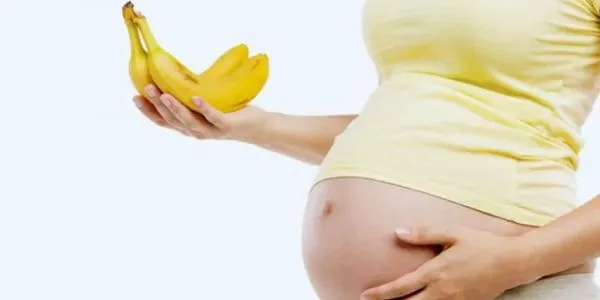
Can we eat banana in pregnancy? Yes — bananas are one of the safest and most beneficial fruits to eat during pregnancy. If you’re asking, “Can I eat banana during pregnancy?”, the answer is yes, at every stage. Whether you are in your first trimester dealing with morning sickness or in your third trimester managing leg cramps and fatigue, bananas offer a combination of nutrients that genuinely support both mother and baby.
Bananas during pregnancy provide potassium for blood pressure control, vitamin B6 for nausea relief and brain development, folate for neural tube protection, and dietary fibre for healthy digestion. They are gentle on the stomach, widely available, affordable, and easy to eat even when appetite is low.
At Prakash Hospital, Greater Noida, Dr. Madhvi Rawat — one of the most experienced gynecologists in the region — regularly recommends bananas as part of a balanced pregnancy diet. This article explains the full benefits of banana in pregnancy, how much to eat, and the few situations where caution applies.
Is Banana Good for Pregnant Women? Can Pregnant Women Eat Banana?
Yes — banana is good for pregnant women at every stage of pregnancy, and gynecologists recommend it as a safe, nutrient-dense snack. Here is a quick summary of why:
Bananas during pregnancy offer:
- Folate — adds a small amount of folate for baby’s brain and spinal cord development (your folic acid tablet is still essential)
- Potassium — manages blood pressure and prevents leg cramps throughout pregnancy
- Vitamin B6 — one of the most evidence-backed nutrients for reducing pregnancy nausea
- Dietary fibre — relieves constipation, which affects up to 40% of pregnant women
- Natural sugars — provide fast, sustained energy without blood sugar spikes when eaten with protein
- Magnesium — supports muscle function and sleep quality
- Vitamin C — supports immune function in mother and aids iron absorption
- Anaemia support — vitamin B6 helps make haemoglobin, and vitamin C helps absorb iron from other foods (bananas themselves are low in iron)
Are Bananas Safe During Pregnancy in All Trimesters?
Yes. Bananas are safe during pregnancy in the first, second, and third trimesters. In the first trimester, they help settle morning sickness and provide folate at a critical time for fetal development. In the second and third trimesters, their potassium content helps manage swelling, blood pressure, and leg cramps that become more common as the pregnancy progresses.
A study published in Science Midwifery found that banana consumption supported haemoglobin improvement in pregnant women, with 50% reaching 11 g/dL and 30% reaching 12 g/dL — both within healthy pregnancy ranges.
Dr. Madhvi Rawat, gynecologist in Greater Noida, advises: “Bananas are one of the most practical, safe, and nutritious foods I recommend to pregnant patients. They are easy to carry, easy to digest, and provide nutrients that directly address the most common pregnancy complaints.”
Bananas are rich in vital nutrients that promote both the baby’s and the mother’s well-being.
- Potassium: Controls blood pressure levels. This becomes crucial in pregnancy because blood volume tends to grow.
- Vitamin B6: Plays a role in brain growth for the baby and may reduce morning sickness.
- Dietary fiber helps maintain healthy digestion and prevents constipation, a common issue experienced by many pregnant women.
- Natural sugars: provide a quick energy boost when you’re feeling low or fatigued.
- Folate: Helps a baby’s neural tube form and reduces the chance of birth defects.
A common question among pregnant women is: Can pregnant women eat bananas? Yes — pregnant women can eat banana safely as part of a healthy prenatal diet. Along with other fruits, vegetables, whole grains, and proteins, bananas help build a balanced diet that supports a healthy pregnancy.
Key Benefits of Banana in Pregnancy You Should Know
Eating banana during pregnancy offers many benefits, from relief from morning sickness to better digestion. Here are the main banana benefits in pregnancy:
- Provides Folate: Folate (vitamin B9) helps form the baby’s neural tube in the earliest weeks of pregnancy. Bananas add a small amount of folate (about 4% of daily need per banana), so doctors also recommend a folic acid supplement before conception and in the first trimester. Bananas simply add to it.
- Eases Morning Sickness: Bananas are one of the most recommended foods for nausea in pregnancy because of their vitamin B6 content, which has documented anti-nausea effects. Their bland, gentle flavour also makes them one of the few foods many women can tolerate in the first trimester.
- High in Potassium: Potassium in bananas helps regulate blood pressure — which rises as blood volume increases during pregnancy. It may also help reduce leg cramps, one of the most common and uncomfortable complaints in the second and third trimesters.
- Aids Digestion: The dietary fibre in bananas supports healthy bowel function and helps prevent constipation, which affects a large number of pregnant women due to hormonal changes and the growing uterus pressing on the intestines.
Benefits of Bananas During Pregnancy: Quick Guide
Here’s a quick guide to getting the most from bananas during pregnancy:
- How much: One medium banana a day works well for most pregnant women
- When to eat: In the morning or during the day, to make use of the natural sugars
- Food pairing: Pair with something high in protein to keep your energy going
Understanding the Nutritional Value of Bananas During Pregnancy
Understanding the nutritional value of bananas during pregnancy helps expectant mothers make informed dietary choices. Here’s a detailed breakdown of what one medium banana offers:
| Nutrient | Amount per Medium Banana | Significance During Pregnancy |
| Potassium | 422 mg | Blood pressure regulation |
| Vitamin B6 | 0.4 mg | Brain development, morning sickness relief |
| Dietary Fiber | 3.1 g | Digestive health |
| Calories | 105 | Energy source |
| Carbohydrates | 27 g | Sustained energy |
| Vitamin C | 10.3 mg | Immune support |
| Magnesium | 31.9 mg | Muscle function, reduces cramps |
| Folate | 23.6 μg | Neural tube development |
How Bananas Help With Morning Sickness and Nausea During Pregnancy
Vitamin B6 in bananas plays a role in easing nausea and vomiting during pregnancy. Many women notice that eating a banana immediately after waking up helps calm their stomach before they get out of bed. With their soft texture and mild taste, bananas can be easier to eat even while dealing with morning sickness.
On top of that, bananas are helpful for:
- Leg cramps: Potassium and magnesium prevent muscle pain or cramping
- Heartburn: Low acidity means bananas are less likely to cause acid reflux
- Anaemia: Vitamin B6 and vitamin C support blood cell production and iron absorption — eat bananas with iron-rich foods like dal, spinach, or chana
Banana in Early Pregnancy and Each Trimester
Banana is good in pregnancy at every stage, but its benefits change a little as your pregnancy grows.
Banana in Early Pregnancy (First Trimester)
This is when nausea, vomiting, and tiredness are usually at their worst. A banana is easy to digest, quick to eat, and can be kept by your bed for the morning. It also adds a little folate alongside your folic acid tablet.
Banana in the Second Trimester
Appetite usually returns and constipation often begins. The fibre in bananas helps keep digestion regular, especially with enough water.
Banana in the Third Trimester
Leg cramps, heartburn, and swelling become more common. Bananas are low in acid and rich in potassium, which may help. If you have gestational diabetes, see the next section on portion control.
Why to Avoid Banana During Pregnancy? Myths About the First and Third Trimester
Many women hear that they should avoid bananas in the first trimester or the third trimester. There is no medical reason for a healthy pregnant woman to avoid bananas at any stage. Most of these warnings come from traditional beliefs.
Why to Avoid Banana During Pregnancy First Trimester – Myth or Fact?
Myth. Some people believe bananas are a “cold” food that causes cough or cold, or that they are unsafe in early pregnancy. Colds are caused by viruses, not fruit. Bananas are actually one of the easiest foods to eat when morning sickness is at its peak. There is also no evidence that bananas cause miscarriage; this worry is usually confused with unripe papaya.
Why to Avoid Banana During Pregnancy Third Trimester – Myth or Fact?
Mostly a myth. Some believe bananas make the baby too big. Baby’s weight depends on your overall diet, weight gain, and blood sugar, not on one fruit. The only real reason a doctor may ask you to limit bananas in the third trimester is gestational diabetes (usually tested at 24–28 weeks) or fast weight gain. In that case, it’s about portion size, not about bananas being harmful.
When to Be Careful Eating Bananas While Pregnant
Bananas are safe for most women, but take extra care with bananas while pregnant if:
You have gestational diabetes: Choose a small, just-ripe banana (not overripe) and eat it with curd, nuts, or peanut butter. Follow your doctor’s portion advice.
You have a latex allergy: Some people allergic to latex also react to bananas. If you notice itching in the mouth, hives, or swelling, stop and inform your doctor.
You have kidney problems: Bananas are high in potassium, so ask your doctor how much is safe.
Bananas cause you bloating: Raw or green bananas can cause gas in some women. Ripe bananas, eaten earlier in the day, are usually gentler.
The Right Place for Safe and Supportive Prenatal Care
Prakash Hospital stands out as the best multispecialty hospital in Greater Noida, providing comprehensive prenatal care. It provides access to advanced medical facilities and a team of skilled specialists dedicated to delivering personalized care throughout every stage of pregnancy.
Choosing the Right Gynecologist for Your Pregnancy Journey
Dr. Madhvi Rawat ranks among the best gynecologists in Greater Noida, with a strong focus on prenatal nutrition. She holds an MBBS degree from Mahatma Gandhi Memorial Medical College and an MS in Gynaecology from Grant Medical College, Mumbai, which enhances her medical expertise.
Prakash Hospital offers prenatal care that includes:
- Detailed advice on diet and nutrition
- Ongoing checks on mother’s and baby’s well-being
- Tailored care approaches to match specific needs
- Modern diagnostic tools and tests
- Around-the-clock emergency help
Pregnancy Preparation for Dads: Supporting Your Partner’s Nutrition
To prepare for pregnancy, fathers should consider pregnancy preparation that includes understanding how to support their partners’ nutrition. They can make a big difference by:
- Learning which nutrients are most important during pregnancy
- Making delicious meals with foods great for pregnancy, like bananas
- Encouraging better food choices
- Attending doctor visits to stay updated
- Helping their partner stay on track with a healthy eating routine
Dads who take an active part in planning meals and nutrition help ensure the baby and mother get what they need throughout every stage of pregnancy.
How Many Bananas Can You Eat During Pregnancy and When Is the Best Time?
A common question from expectant mothers is: how many bananas in pregnancy is the right amount?
Recommended amount: One medium banana a day is comfortable for most pregnant women, and up to two is usually fine as part of your daily fruit intake. Eating more than 2 bananas daily on a regular basis is not necessary and may contribute excessive natural sugar — particularly relevant for women monitoring blood sugar levels.
Best time to eat a banana during pregnancy:
- Morning (before or with breakfast): Eating half a banana before getting out of bed can help settle nausea and morning sickness — a tip many pregnant women find effective in the first trimester.
- Mid-morning or afternoon snack: A banana paired with a protein source (like a handful of nuts or yoghurt) provides sustained energy and prevents blood sugar dips between meals.
- Avoid late at night: Some women find bananas cause slight bloating or digestive discomfort when eaten late at night. If this applies to you, keep banana eating to daytime hours.
Pairing tip: Bananas eaten alone cause a faster rise in blood sugar due to their natural sugar content. Pairing a banana with a protein or healthy fat — such as peanut butter, yoghurt, or a small handful of almonds — slows sugar absorption and provides more sustained energy, which is particularly helpful in the second and third trimesters.
Special note for gestational diabetes: If you have been diagnosed with gestational diabetes, discuss banana consumption with your gynecologist or dietitian. Bananas can still be part of your diet, but portion size and timing relative to blood sugar monitoring may need to be adjusted individually.
Case Study: Banana Consumption and Pregnancy Outcomes
Patient Experience: Anupriya’s Journey
Anupriya, a 28-year-old woman from Noida expecting her first child, struggled with intense morning sickness in her pregnancy. Her doctor at Prakash Hospital suggested she start eating bananas in the morning.
“At first, I wasn’t sure it would work, but having half a banana before getting out of bed helped reduce my nausea,” Anupriya explains. “Later, during my second trimester, I noticed my leg cramps got better too. My doctor said it was because bananas are a good source of potassium.”
During her pregnancy, Anupriya maintained steady hemoglobin levels and experienced less constipation compared to most of her expectant friends. She gave birth to a healthy baby boy weighing 3.4 kg at 39 weeks without facing any issues.
Bananas provide more than just basic nutrition during pregnancy. They help boost energy and balance mood. Anupriya’s experience demonstrates how small changes in diet can significantly impact pregnancy and yield better results.
Frequently Asked Questions
Q: Is banana good for pregnancy in the first trimester?
A: Yes. Bananas are safe in early pregnancy and help with nausea because they are bland and easy to digest. Continue your folic acid tablet, as bananas alone don’t give enough folate.
Q: Why to avoid banana during pregnancy first trimester?
A: There is no medical reason to avoid bananas in the first trimester. This advice comes from traditional beliefs, such as bananas being a “cold” food. Unless you are allergic, bananas are safe.
Q: Why to avoid banana during pregnancy third trimester?
A: Healthy women don’t need to avoid bananas in the third trimester. Doctors may only advise limiting ripe bananas if you have gestational diabetes or are gaining weight too quickly.
Q: Can eating banana during pregnancy cause miscarriage?
A: No. There is no evidence that bananas cause miscarriage.
Q: Which banana can eat in pregnancy — ripe or raw?
A: Both are safe. Ripe bananas are easier to digest and help with constipation. Cooked raw banana (kachcha kela) is lower in sugar and a good option for women watching their blood sugar.
Conclusion
Banana is good for pregnancy because it is a rich source of essential nutrients that support both mother and baby. They help reduce morning sickness and aid digestion, preventing issues like constipation. Adding them to your daily meals can boost a mother’s well-being and the baby’s growth.
To ensure you make the right food choices throughout pregnancy, you can talk to the experts at Prakash Hospital in Greater Noida. Specialists like Dr. Madhvi Rawat can provide guidance to support both your health and that of your baby.
Bananas offer numerous benefits, but they should be incorporated into a balanced diet that provides all the necessary nutrients during pregnancy. Be sure to consult your doctor for personalized advice tailored to your health and pregnancy needs. For personalized guidance, book a consultation with Dr. Madhvi Rawat, gynecologist in Greater Noida, to ensure a balanced pregnancy diet.
- Reasons for Dry Skin - October 10, 2026
- Hyperpigmentation Vitamin B12 Deficiency - October 6, 2026
- Forehead Pimples Reason - October 3, 2026