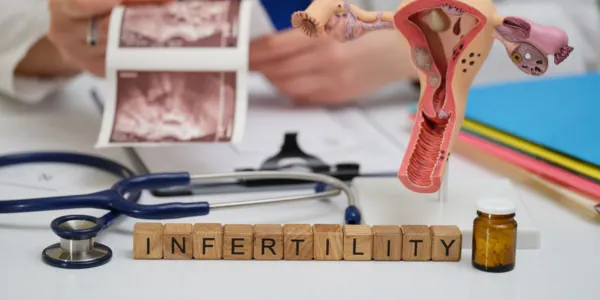
Gynecological disorders include a wide range of conditions that affect the female reproductive system, including the uterus, ovaries, cervix, fallopian tubes, and vagina. These disorders can disrupt daily life, impact fertility, or even lead to long-term health complications if left untreated.
With advances in modern medicine, gynecological disorders are increasingly being diagnosed early and treated effectively. Understanding the causes, symptoms, and treatment options is critical for maintaining women’s reproductive health and overall well-being.
This guide provides an in-depth look at common gynecological disorders, their risk factors, treatment methods, preventive strategies, and recovery tips for optimal health.
What Are Gynecological Disorders?
Gynecological disorders are medical conditions that affect the normal functioning or structure of female reproductive organs. They can range from minor issues like irregular menstrual cycles to serious conditions such as ovarian cancer or endometriosis.
Commonly Affected Organs:
- Uterus
- Ovaries
- Cervix
- Fallopian tubes
- Vagina
- Female reproductive health issues
- Women’s pelvic conditions
- Hormonal imbalance disorders
These disorders can manifest through symptoms such as pelvic pain, abnormal bleeding, menstrual irregularities, infertility, or hormonal disturbances. Early detection and treatment significantly improve outcomes and prevent complications.
Common Types of Gynecological Disorders
1. Polycystic Ovary Syndrome (PCOS)
PCOS is a hormonal disorder that often causes irregular periods, ovarian cysts, excessive hair growth, acne, and weight gain. Women with PCOS may also face fertility challenges.
2. Endometriosis
Endometriosis occurs when uterine tissue grows outside the uterus, causing chronic pelvic pain, heavy bleeding, and sometimes infertility.
3. Uterine Fibroids
Fibroids are non-cancerous tumors in the uterus that can cause heavy bleeding, abdominal pressure, and discomfort.
4. Ovarian Cysts
These fluid-filled sacs on the ovaries can cause pelvic pain, bloating, and complications if they rupture or become large.
5. Pelvic Inflammatory Disease (PID)
PID is an infection of the reproductive organs, often caused by untreated sexually transmitted infections (STIs). It can lead to chronic pain and infertility if not addressed.
6. Cervical Dysplasia
This condition involves abnormal changes in the cervix’s cells, potentially leading to cervical cancer if not monitored or treated early.
Secondary Keywords:
- Women’s reproductive disorders
- Chronic pelvic pain causes
- Uterine health conditions
Data Table: Overview of Common Gynecological Disorders
| Disorder | Common Symptoms | Risk Factors | Treatment Options |
| PCOS | Irregular periods, weight gain, acne | Genetics, hormonal imbalance | Lifestyle changes, medications |
| Endometriosis | Pelvic pain, heavy bleeding, infertility | Family history, delayed menstruation | Pain relief, surgery |
| Uterine Fibroids | Heavy bleeding, bloating, pelvic pressure | Age 30–50, genetics | Medication, myomectomy, hysterectomy |
| Ovarian Cysts | Abdominal pain, bloating, nausea | Hormonal imbalance, pregnancy | Observation, surgery if large |
| Pelvic Inflammatory Disease | Pelvic pain, fever, abnormal discharge | STIs, multiple partners | Antibiotics, surgery if severe |
| Cervical Dysplasia | Usually asymptomatic | HPV infection, smoking | Monitoring, surgical removal |
Causes of Gynecological Disorders
Gynecological disorders develop due to a combination of biological, genetic, and lifestyle factors. Understanding these causes can help in prevention, early detection, and effective management.
1. Hormonal Imbalances
The female reproductive system is heavily influenced by hormones, especially estrogen and progesterone. Any disruption in their balance can trigger conditions such as:
- Polycystic Ovary Syndrome (PCOS): Irregular ovulation, ovarian cysts, and metabolic changes
- Irregular menstrual cycles: Skipped or unusually heavy periods
- Fibroid growth: Estrogen can promote the growth of non-cancerous tumors in the uterus
Hormonal imbalances can result from stress, thyroid disorders, obesity, or prolonged use of certain medications. Regular monitoring of hormone levels is key to prevention.
2. Genetic Predisposition
Family history plays a crucial role in gynecological health. Women are at higher risk if close relatives have experienced:
- Uterine fibroids
- Endometriosis
- Ovarian or cervical cancer
For example, studies show that daughters of women with endometriosis are more likely to develop the condition. Genetic predisposition doesn’t guarantee disease but increases susceptibility, making regular screenings essential.
3. Infections
Reproductive tract infections can disrupt the normal function of the female reproductive system. Common causes include:
- Sexually Transmitted Infections (STIs): Such as chlamydia and gonorrhea, which can lead to Pelvic Inflammatory Disease (PID)
- Bacterial infections: Can cause inflammation in the uterus, ovaries, or fallopian tubes
Untreated infections can result in chronic pain, scarring, or infertility. Early detection and antibiotic treatment are crucial for preventing long-term complications.
4. Lifestyle Factors
Modern lifestyle habits have a significant impact on reproductive health. Key factors include:
- Poor diet: Low intake of proteins, vitamins, and minerals can affect hormone production and menstrual health
- Obesity: Excess body fat can increase estrogen levels, promoting fibroid growth or irregular cycles
- Chronic stress: Triggers cortisol production which interferes with reproductive hormones
- Smoking and alcohol: Increase oxidative stress, disrupt hormonal balance, and raise the risk of cervical and ovarian issues
Adopting a healthy lifestyle, including balanced nutrition, regular exercise, stress management, and avoiding harmful substances, can significantly reduce the risk of gynecological disorders.
Hormonal tests, genetic counseling, and regular gynecological check-ups can help identify risks early and allow for timely intervention.
Symptoms to Watch For
- Irregular, heavy, or painful periods
- Severe pelvic pain or cramping
- Abnormal vaginal bleeding or discharge
- Pain during intercourse
- Difficulty conceiving or infertility
- Abdominal bloating, pressure, or discomfort
Early recognition of symptoms can lead to timely intervention and reduce complications.
Treatment Options
1. Medications
- Hormonal therapy to regulate cycles (e.g., for PCOS or fibroids)
- Pain management for conditions like endometriosis
- Antibiotics for infections such as PID
2. Minimally Invasive Surgery
- Laparoscopic procedures for ovarian cyst removal or endometriosis
- Myomectomy for fibroid removal while preserving fertility
3. Lifestyle Modifications
- Balanced diet rich in protein and vitamins
- Regular exercise to maintain hormonal balance and body weight
- Stress management techniques
- Avoiding smoking and excessive alcohol
Recovery and Follow-Up
- Minor procedures: 1–2 weeks
- Major surgeries: 4–6 weeks
- Follow-up appointments and regular imaging tests are critical for monitoring recovery and preventing recurrence
Proper post-treatment care ensures faster healing and minimizes complications.
Cost of Treatment in India
Costs vary depending on the severity, type of disorder, hospital location, and technology used.
| Treatment Type | Estimated Cost (INR) |
| Medication & Hormonal Therapy | ₹5,000 – ₹30,000 |
| Laparoscopic Surgery | ₹70,000 – ₹2,00,000 |
| Myomectomy | ₹1,00,000 – ₹3,00,000 |
| Hysterectomy | ₹80,000 – ₹2,50,000 |
| Ovarian Cyst Removal | ₹60,000 – ₹1,50,000 |
Minimally invasive procedures may have higher upfront costs but reduce hospital stay and speed recovery.
Lifestyle Tips for Prevention & Faster Recovery
- Maintain a balanced diet high in protein and vitamins
- Engage in regular physical activity to improve circulation and maintain hormonal balance
- Avoid smoking and excessive alcohol consumption
- Practice stress management through meditation, yoga, or therapy
- Stay hydrated and maintain a healthy weight
Choosing the Right Gynecologist
Selecting the right specialist is crucial for effective treatment:
- Choose a board-certified gynecologist experienced with your condition
- Ensure the hospital has modern diagnostic and surgical facilities
- Read patient reviews and success stories
- Have a clear consultation discussing treatment options, risks, and expected outcomes
A reliable, experienced doctor can significantly improve recovery and long-term results.
Frequently Asked Questions
Q1. What are gynecological disorders?
Medical conditions that affect the female reproductive system, including the uterus, ovaries, cervix, or vagina.
Q2. How can I tell if I have a gynecological disorder?
Symptoms include irregular periods, pelvic pain, abnormal bleeding, infertility, or hormonal issues. Early consultation is recommended.
Q3. Are gynecological disorders treatable?
Yes, most conditions can be managed with medications, lifestyle changes, or surgery depending on severity.
Q4. Can lifestyle changes prevent these disorders?
A healthy diet, exercise, avoiding smoking, and stress management can reduce risk but cannot eliminate genetic factors.
Q5. How long is recovery after gynecological surgery?
Minor procedures: 1–2 weeks; major surgeries (e.g., hysterectomy): 4–6 weeks. Recovery may vary by individual.
Q6. Can gynecological disorders affect fertility?
Some conditions, such as PCOS, endometriosis, or fibroids, can impact fertility. Early treatment improves chances of conception.
Conclusion
Gynecological disorders can significantly affect women’s health, but early detection, proper treatment, and lifestyle management can prevent complications. Modern treatments, including minimally invasive surgery and personalized therapies, make recovery faster and safer.
If you notice any symptoms of reproductive health issues, consult a qualified gynecologist promptly. Timely action ensures better outcomes, improved quality of life, and long-term reproductive health.
- Reasons for Dry Skin - October 10, 2026
- Hyperpigmentation Vitamin B12 Deficiency - October 6, 2026
- Forehead Pimples Reason - October 3, 2026