
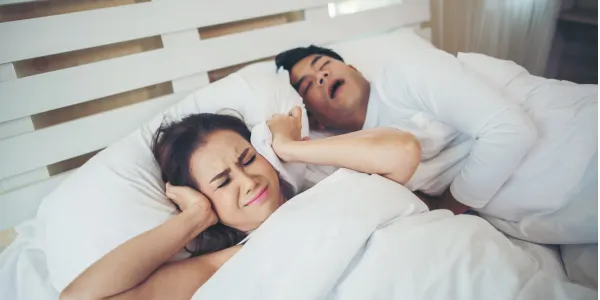
How Many Sleeping Positions to Prevent Snoring
Snoring is one of the most common — and most overlooked — sleep complaints in India today. While an occasional snore is harmless, chronic and loud snoring can disturb your partner’s rest, damage your own sleep quality, and in some cases point to a more serious condition called sleep apnea. One of the simplest, most effective, and completely free ways to manage this problem is by changing how you position your body at night. In this guide, we break down exactly how many sleeping positions to prevent snoring actually exist, which ones work best, and when it’s time to consult an ENT specialist such as Dr. Rajat Parashar at Prakash Hospital.
Table of Contents
What Causes Snoring While You Sleep?
Snoring happens when the flow of air through your mouth and nose is partially blocked during sleep, causing the surrounding tissues to vibrate. This narrowing can be caused by relaxed throat muscles, a thick soft palate, nasal congestion, excess weight around the neck, alcohol consumption before bed, or simply the position your body settles into overnight. Gravity plays a bigger role than most people realise — when you lie flat on your back, your tongue and soft tissues can fall backward into your throat, narrowing your airway and triggering that familiar rattling sound.
Understanding Sleep Apnea and Its Symptoms
Not all snoring is equal. While mild snoring is often just a nuisance, loud and persistent snoring accompanied by gasping or choking sounds may indicate sleep apnea, a condition in which breathing repeatedly stops and starts during sleep. Recognising sleep apnea symptoms early can make a significant difference to your long-term health.
Common warning signs include:
- Loud, chronic snoring almost every night
- Choking or gasping sensations during sleep
- Waking up with a dry mouth or sore throat
- Morning headaches
- Excessive daytime sleepiness or fatigue
- Difficulty concentrating and irritability
- Frequent nighttime urination
If you notice several of these symptoms together, it’s worth speaking to a specialist rather than dismissing it as ordinary tiredness.
How Many Sleeping Positions to Prevent Snoring Actually Work?
Sleep specialists generally group nighttime positions into four broad categories, but only a few of them genuinely help. When people search for sleeping positions to prevent snoring, they are usually looking at these options: left-side sleeping, right-side sleeping, back sleeping, stomach sleeping, and elevated positioning using pillows or an adjustable bed. Of these five, two are strongly recommended, one is a reasonable backup, and two are best avoided if snoring is a regular problem.
1. Left-Side Sleeping — The Most Effective Option
Doctors frequently rank left-side sleeping as the single best posture among sleeping positions to reduce snoring. It keeps the tongue and soft palate from collapsing backward, allows smoother airflow, and even supports healthy blood circulation and digestion.
2. Right-Side Sleeping — A Solid Alternative
If the left side feels uncomfortable, switching to the right side still offers a noticeable improvement over sleeping flat on the back. It keeps the airway more open than a supine position, though it is slightly less effective than the left side for people with acid reflux.
3. Elevated Head and Upper Body
Propping the head and upper torso up by around thirty degrees, either with a wedge pillow or an adjustable bed, is one of the most practical sleeping positions to stop snoring for people who struggle to stay on their side throughout the night. Elevation uses gravity to keep the throat tissues from sagging into the airway.
4. Stomach Sleeping — Use With Caution
Lying on the stomach can reduce snoring because the airway stays relatively open, but it places strain on the neck and lower back, and most people naturally roll off this position within an hour or two. It is not considered a sustainable long-term solution.
5. Back Sleeping — The Position to Avoid
Sleeping flat on the back is the single biggest positional trigger for snoring. Gravity pulls the tongue and soft palate backward, narrowing the throat and making vibration far more likely. If you or your partner notice snoring worsens whenever you sleep on your back, this is a strong sign that a positional change is needed.
Sleeping Positions to Prevent Snoring: A Quick Comparison
The table below summarises how each position affects your airway, so you can quickly identify which sleeping positions to reduce snoring are worth adopting tonight.
| Sleeping Position | Effect on Snoring | Recommended? |
| Left-side sleeping | Keeps airway open, reduces tongue/soft tissue collapse | Highly Recommended |
| Right-side sleeping | Reduces snoring compared to back sleeping, slightly less effective than left side | Recommended |
| Back sleeping (supine) | Tongue and soft palate fall backward, airway narrows, snoring worsens | Not Recommended |
| Stomach sleeping | Opens airway but strains neck and spine over time | Occasional Use Only |
| Elevated head/upper body | Prevents airway collapse, useful for mild to moderate snoring | Recommended |
Best Sleeping Positions to Reduce Snoring: Expert-Backed Tips
Beyond simply choosing left or right, a few small adjustments can maximise results:
- Use a body pillow: Hugging a long pillow helps prevent you from rolling onto your back during the night.
- Try the tennis-ball trick: Sewing a small ball into the back of your nightwear discourages back sleeping.
- Invest in a supportive pillow: A pillow that keeps your neck aligned with your spine reduces airway narrowing.
- Keep the head slightly elevated: Even a small incline can noticeably reduce vibration in the throat.
- Maintain a consistent sleep schedule: Overtired muscles relax more, which can worsen snoring regardless of position.
Sleeping Positions to Stop Snoring: What Doesn’t Work Alone
It’s important to set realistic expectations. Positional changes are highly effective for mild to moderate, position-dependent snoring, but they are not a substitute for medical treatment when an underlying issue such as enlarged tonsils, a deviated septum, chronic nasal blockage, or obstructive sleep apnea is present. In these cases, even the best sleeping positions to prevent snoring will only offer partial relief, and a proper ENT evaluation becomes necessary.
When Snoring Signals Something More Serious
Occasional snoring after a long day or a heavy meal is normal. But if snoring is loud, constant, and paired with gasping, choking, or long pauses in breathing noticed by a partner, it may point toward obstructive sleep apnea rather than simple positional snoring. Left unmanaged, sleep apnea has been linked to high blood pressure, heart strain, poor concentration, and a higher risk of accidents due to daytime drowsiness. This is the point at which lifestyle fixes should be paired with professional guidance.
Sleep Apnea Treatment in Greater Noida — How Prakash Hospital Can Help
For residents searching for reliable sleep apnea treatment in Greater Noida, the Otorhinolaryngology (ENT) department at Prakash Hospital offers comprehensive evaluation and management of snoring-related conditions. The department is led by Dr. Rajat Parashar, an experienced ENT specialist who assesses the root cause of snoring — whether it is anatomical, positional, or related to sleep apnea — before recommending a personalised treatment plan.
At Prakash Hospital, evaluation typically includes a detailed history of sleep patterns, a physical examination of the nose and throat, and, where required, referral for a sleep study to confirm sleep apnea. Depending on the diagnosis, treatment may range from simple positional and lifestyle guidance to nasal correction procedures or CPAP therapy recommendations for more advanced cases.
If snoring is affecting your sleep quality or your family’s, you can book a consultation with Prakash Hospital or visit the hospital’s location in Greater Noida to speak with the ENT team directly.
Lifestyle Tips to Complement the Right Sleeping Position
Sleeping posture works best when combined with a few supporting habits:
- Maintain a healthy body weight, since excess tissue around the neck can narrow the airway
- Avoid alcohol and heavy meals close to bedtime, as both relax throat muscles
- Keep nasal passages clear with saline rinses if you have seasonal congestion
- Stay hydrated, since dry throat tissue vibrates more easily
- Establish a consistent, adequate sleep routine of seven to eight hours
Final Thoughts
There isn’t a single magic posture, but among the handful of sleeping positions to prevent snoring, left-side sleeping and slight upper-body elevation consistently stand out as the most effective and easiest to adopt. Small, consistent changes to how you sleep can meaningfully reduce nighttime noise and improve rest for both you and your partner. However, if snoring is loud, persistent, or accompanied by breathing pauses, it’s best not to rely on posture alone — a timely consultation with an ENT specialist can rule out sleep apnea and other underlying causes.
Frequently Asked Questions
1. How many sleeping positions to prevent snoring are there?
There are broadly five positions people try — left-side, right-side, back, stomach, and elevated upper-body sleeping — but left-side sleeping combined with slight head elevation is generally considered the most effective.
2. Which is the best sleeping position to reduce snoring?
Left-side sleeping is widely recommended by doctors as it keeps the airway open and prevents the tongue from collapsing backward.
3. Can changing my sleeping position cure sleep apnea?
Positional changes can help with mild, position-dependent snoring, but they are not a complete treatment for sleep apnea. A proper diagnosis and treatment plan from an ENT specialist is recommended.
4. What are the early sleep apnea symptoms I should watch for?
Loud snoring, gasping or choking during sleep, morning headaches, dry mouth, and excessive daytime tiredness are common early sleep apnea symptoms.
5. Where can I get sleep apnea treatment in Greater Noida?
The ENT department at Prakash Hospital, under Dr. Rajat Parashar, provides evaluation and treatment for snoring and sleep apnea in Greater Noida. You can contact the hospital here to book an appointment.
6. Is stomach sleeping a good option to stop snoring?
It can reduce snoring since the airway stays open, but it strains the neck and spine, so it isn’t recommended as a long-term solution.

- Baby Eczema - September 30, 2026
- How to Get Fair Skin - September 28, 2026
- Best Hand Creams for Dry Skin - September 24, 2026


1 Comment
Comments are closed.