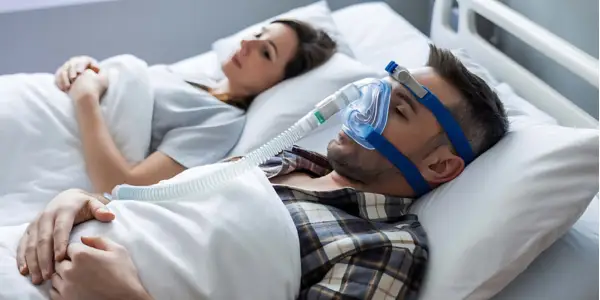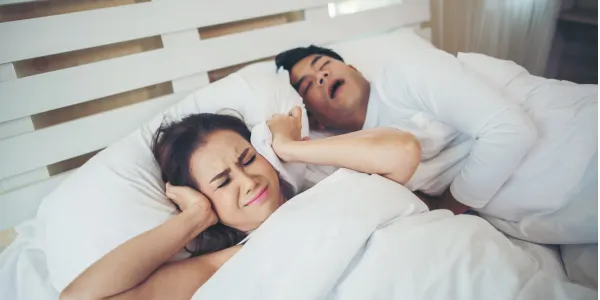
Snoring jokes are common at every dinner table, but gasping for air in the middle of the night is not something to laugh off. If you or someone you love wakes up tired, irritable, or startled awake by their own breathing, it may be time to stop guessing and start asking the right questions. This guide walks you through exactly when to consult a sleep apnea specialist, what causes the condition, and what actually happens during a proper evaluation and treatment plan.
Table of Contents
What Is Sleep Apnea, Really?
Sleep apnea is a sleep disorder in which breathing repeatedly stops and starts throughout the night. Each pause can last a few seconds to over a minute, and it can happen dozens of times an hour without the person ever fully waking up to notice it. Over time, this disrupts oxygen supply to the brain and body, straining the heart and draining daytime energy. Left unmanaged, it has been linked to high blood pressure, heart disease, memory problems, and workplace accidents caused by fatigue.
The tricky part is that most people don’t self-diagnose sleep apnea; a partner, roommate, or family member usually notices the snoring, gasping, or silent breathing gaps first. That’s exactly why a proper evaluation by a sleep apnea doctor matters more than home guesswork.
Types of Sleep Apnea You Should Know About
Not all sleep apnea is the same, and the treatment plan depends heavily on which type you’re dealing with. Broadly, doctors classify the condition into three categories:
| Type of Sleep Apnea | What Happens | Common Cause |
| Obstructive Sleep Apnea (OSA) | Throat muscles relax and block the airway during sleep | Excess weight, large tonsils, narrow airway |
| Central Sleep Apnea (CSA) | Brain fails to send proper signals to breathing muscles | Heart failure, stroke, certain medications |
| Complex (Mixed) Sleep Apnea | A combination of obstructive and central patterns | Often found during CPAP therapy evaluation |
Knowing the type of sleep apnea you have isn’t just medical trivia — it decides whether a simple lifestyle change will help or whether you need a structured therapy plan from a specialist.
Common Reasons for Sleep Apnea You Might Be Overlooking
Sleep apnea rarely has a single cause. It’s usually a combination of physical, lifestyle, and sometimes genetic factors. Some of the most frequent reasons for sleep apnea include:
- Excess body weight, which adds soft tissue around the neck and narrows the airway
- Naturally narrow throat, enlarged tonsils, or a recessed jaw
- Chronic nasal congestion or deviated septum that forces mouth breathing
- Smoking and alcohol use, both of which relax throat muscles and increase inflammation
- Family history of sleep apnea or airway-related conditions
- Aging, since muscle tone in the throat naturally decreases over time
- Underlying conditions such as hypothyroidism, PCOS, or heart failure
Interestingly, even your sleeping position can influence how often your airway collapses at night, which is why specialists often ask about sleep posture during the first consultation.
When Should You See a Sleep Apnea Specialist?
Many people brush off snoring as a minor annoyance, but certain signs point to something more serious. Consider booking an appointment with a sleep apnea specialist if you experience:
- Loud, chronic snoring that disturbs others
- Episodes of gasping, choking, or silence followed by a loud snort during sleep
- Excessive daytime sleepiness despite a full night’s rest
- Morning headaches, dry mouth, or a sore throat
- Difficulty concentrating, mood swings, or memory lapses
- High blood pressure that doesn’t respond well to medication
- Waking up frequently to urinate at night
If two or more of these sound familiar, it’s worth having a proper conversation with a sleep apnea specialist rather than waiting for symptoms to worsen. Early evaluation often means simpler, less invasive treatment later.
What to Expect at Your First Visit
Walking into a specialist’s clinic for the first time can feel intimidating, but the process is straightforward and reassuring once you know what to expect.
1. A Detailed Symptom and Health History
Your doctor will ask about your snoring pattern, sleep quality, daytime fatigue, weight changes, and any existing conditions like hypertension or diabetes. Be honest here — even small details help narrow down the diagnosis.
2. A Physical Examination
Expect a close look at your nose, throat, jaw alignment, and neck circumference, since these areas directly affect airflow during sleep.
3. A Sleep Study (Polysomnography or Home Sleep Test)
This is the gold-standard diagnostic tool. It records your breathing patterns, oxygen levels, heart rate, and brain activity while you sleep, either overnight at a sleep lab or through a portable home device.
4. A Personalized Treatment Discussion
Once results are in, your specialist explains the severity of your condition and walks you through realistic sleep apnea solutions suited to your lifestyle, from simple changes to advanced therapy.
Sleep Apnea Home Treatment: What You Can Try Right Away
For mild cases, certain sleep apnea home treatment steps can meaningfully reduce symptoms alongside medical guidance:
- Sleep on your side instead of your back to keep the airway open
- Maintain a healthy weight through gradual, sustainable changes
- Avoid alcohol and sedatives close to bedtime
- Keep a consistent sleep schedule to support deeper, uninterrupted rest
- Elevate the head of the bed slightly to ease airway pressure
- Treat nasal allergies or congestion that force mouth breathing
These changes can help, but they are rarely a complete fix for moderate to severe sleep apnea. Home remedies work best as a support system alongside professional care, not a replacement for it.
How to Cure Sleep Apnea: Medical Solutions That Actually Work
When people ask how to cure sleep apnea, the honest answer is that treatment is about long-term management rather than a one-time fix — though many patients see dramatic improvement with the right plan. Common medically guided sleep apnea solutions include:
- CPAP (Continuous Positive Airway Pressure) therapy — the most widely used and effective treatment for moderate to severe cases
- Oral appliances that reposition the jaw and tongue to keep the airway open
- Weight management programs supervised by a specialist
- Surgical options such as removing excess tissue, correcting a deviated septum, or jaw repositioning in select cases
- Positional therapy devices that discourage back-sleeping
The right combination depends entirely on your diagnosis, which is why self-treating without a sleep study often falls short.
What Is the Newest Treatment for Sleep Apnea?
Sleep medicine has moved well beyond the one-size-fits-all CPAP mask. If you’re wondering what is the newest treatment for sleep apnea, here’s what’s gaining ground:
- Hypoglossal nerve stimulation — a small implanted device that stimulates the tongue muscle to keep the airway open, often used when CPAP isn’t tolerated
- Custom 3D-printed oral appliances designed from precise jaw scans for better comfort and fit
- Smart, auto-adjusting CPAP and BiPAP machines that respond in real time to breathing patterns
- Minimally invasive radiofrequency treatments to tighten soft palate tissue
- AI-assisted home sleep monitoring for faster, more accessible diagnosis
These advances mean patients who once struggled with traditional therapy now have realistic, comfortable alternatives to explore with their doctor.
Why Patients Trust Prakash Hospital for Sleep Apnea Care
At Prakash Hospital, sleep apnea care goes beyond prescribing a machine and sending patients home. The ENT and Otorhinolaryngology department combines detailed diagnostics with individualized treatment planning, so patients understand exactly why they’re being recommended a particular therapy.
Dr. Rajat Parashar, a well-regarded sleep apnea specialist at Prakash Hospital, focuses on identifying the root cause of each patient’s airway obstruction before recommending a treatment path — whether that’s a simple positional adjustment, an oral appliance, or advanced surgical correction. This experience-driven, patient-first approach is what makes the hospital a trusted choice for families dealing with chronic snoring and disrupted sleep.
If persistent snoring, daytime fatigue, or a partner’s concern has been nagging at you, scheduling a consultation with a qualified sleep apnea specialist is a small step that can meaningfully improve your long-term health.
Frequently Asked Questions
1. What does a sleep apnea specialist actually do?
A sleep apnea specialist evaluates your symptoms, orders and interprets sleep studies, identifies the type and severity of your condition, and creates a tailored treatment plan — ranging from lifestyle changes to CPAP therapy or surgery.
2. Can sleep apnea go away on its own?
Mild cases linked to temporary weight gain, nasal congestion, or alcohol use may improve once the underlying cause is addressed. However, moderate to severe sleep apnea usually needs ongoing management rather than disappearing entirely.
3. Is snoring always a sign of sleep apnea?
Not always. Occasional snoring can be harmless, but loud, chronic snoring paired with gasping, choking, or daytime exhaustion is a strong signal to get evaluated.
4. How is sleep apnea diagnosed?
Diagnosis typically involves a sleep study — either an overnight polysomnography in a sleep lab or a home sleep apnea test — that records breathing patterns, oxygen levels, and brain activity.
5. Are there non-CPAP treatment options available?
Yes. Depending on severity, oral appliances, positional therapy, weight management, nerve stimulation implants, and select surgical procedures can all be effective alternatives or additions to CPAP.
6. When should I see a doctor instead of trying home remedies?
If home adjustments like side-sleeping or cutting out alcohol don’t improve your symptoms within a few weeks, or if you experience gasping episodes and severe daytime fatigue, it’s time to consult a specialist rather than continuing to self-manage.

- Skin Allergy Symptoms: Early Warning Signs You Should Never Ignore - October 13, 2026
- Reasons for Dry Skin - October 10, 2026
- Hyperpigmentation Vitamin B12 Deficiency - October 6, 2026