Epilepsy Specialist for Seizure Care, Diagnosis & Treatment Options
A sudden seizure can be one of the most frightening experiences a person or their family can go through. Whether it happens once or repeats over time, it deserves prompt attention from a qualified epilepsy specialist who can identify the cause and guide you toward the right epilepsy treatment. Epilepsy is far more common than most people realize, affecting people of every age group, and with the right medical support, the majority of patients go on to live full, active lives. At Prakash Hospital, a dedicated team led by Dr. Nupur Rajouria works closely with patients to offer accurate diagnosis, compassionate care, and treatment plans built around each person’s unique needs.
Table of Contents
What Is Epilepsy? Understanding Seizures Beyond the Myths
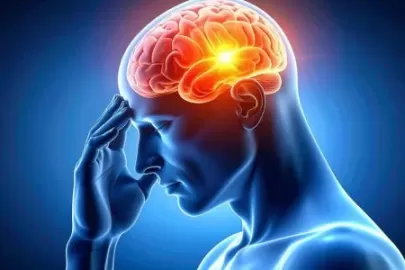
Epilepsy is a neurological condition characterised by recurrent, unprovoked seizures caused by sudden bursts of abnormal electrical activity in the brain. Seizures can look very different from person to person — some involve full-body convulsions and loss of consciousness, while others appear as brief episodes of staring, confusion, or unusual sensations. Because the symptoms vary so widely, epilepsy is often misunderstood or misdiagnosed, which makes an evaluation by a trained epilepsy specialist essential rather than optional.
Common causes include genetic factors, head injury, brain infection, stroke, developmental conditions, or in many cases, no clearly identifiable reason at all. Regardless of the cause, a structured approach to epilepsy treatment can help control seizures effectively for the vast majority of patients.
Signs You Should See an Epilepsy Specialist Without Delay
Not every unusual movement or moment of confusion means epilepsy, but certain warning signs should never be ignored. Consulting an epilepsy specialist early can shorten the path to diagnosis and reduce the risk of injury from unmanaged seizures.
- Repeated episodes of shaking, jerking, or stiffening of the body
- Sudden loss of awareness or unexplained blackouts
- Brief spells of staring blankly, unresponsive to voice or touch
- Unusual sensations such as tingling, strange smells, or déjà vu before an episode
- Confusion, extreme tiredness, or memory gaps after an episode
- A seizure lasting more than five minutes, or a second seizure without recovery — this needs emergency care
If you or a family member notice any of these patterns, scheduling a consultation at a trusted centre for epilepsy and neurology is the safest next step.
How Epilepsy Is Diagnosed: A Step-by-Step Approach
An accurate diagnosis is the foundation of successful epilepsy treatment. At Prakash Hospital, the diagnostic process is thorough, combining clinical judgment with advanced technology so that no detail is overlooked.
| Diagnostic Step | What It Involves | Why It Matters |
| Clinical History & Neurological Exam | Detailed review of seizure episodes, triggers, and family history by an epilepsy specialist | Helps classify seizure type and rule out mimicking conditions |
| Electroencephalogram (EEG) | Records electrical activity of the brain, sometimes over 24–72 hours | Identifies abnormal brain wave patterns linked to seizures |
| MRI Brain Scan | High-resolution imaging of brain structure | Detects lesions, scarring, tumors, or malformations causing seizures |
| Blood & Metabolic Tests | Checks glucose, electrolytes, infection markers | Rules out non-epileptic causes such as metabolic imbalance |
| Video-EEG Monitoring | Combines video recording with EEG in hospital setting | Confirms diagnosis in complex or drug-resistant cases |
This structured workflow allows the neurology team to distinguish epilepsy from other conditions that can mimic seizures, such as fainting spells, migraines, or sleep disorders, ensuring that treatment is targeted rather than generic.
Modern Epilepsy Treatment Options Available Today
Epilepsy treatment has advanced significantly over the past decade, and most patients today achieve good seizure control with the right combination of therapies. The treatment plan is always personalised, taking into account seizure type, frequency, age, and overall health.
1. Anti-Seizure Medication
Medication remains the first line of treatment for most patients. A wide range of anti-seizure drugs are available today, and doctors carefully select and adjust dosages to control seizures while minimising side effects.
2. Dietary Therapy
For select patients, particularly children with drug-resistant epilepsy, a supervised ketogenic or modified diet can meaningfully reduce seizure frequency.
3. Epilepsy Surgery
When seizures do not respond adequately to medication, advanced neurosurgical evaluation may be recommended to identify and remove the seizure-triggering area of the brain. This option is considered only after detailed imaging and monitoring confirm that surgery is safe and likely to help.
4. Neuromodulation Therapies
Devices such as vagus nerve stimulators can be used alongside medication for patients with difficult-to-control seizures, offering an additional layer of seizure management.
5. Lifestyle and Trigger Management
Alongside medical treatment, doctors guide patients on sleep hygiene, stress reduction, and avoiding known seizure triggers, which meaningfully improves long-term outcomes.
Centre for Epilepsy and Neurology at Prakash Hospital
Prakash Hospital houses a dedicated centre for epilepsy and neurology, built to offer complete, end-to-end care under one roof. From the initial consultation and diagnostic testing to long-term follow-up and medication management, patients benefit from a coordinated approach rather than being sent between multiple facilities. The centre is equipped with modern diagnostic tools and staffed by a multidisciplinary team, making it a dependable choice for families searching for consistent, evidence-based epilepsy treatment close to home.
Meet Dr. Nupur Rajouria: Trusted Neurophysician in Greater Noida
Patients across the region regularly seek out Dr. Nupur Rajouria for her patient-centred approach to neurological care. As an experienced neurophysician in Greater Noida, she is known for taking time to understand each patient’s history in detail, explaining diagnoses in simple language, and building treatment plans that fit real-life routines rather than one-size-fits-all protocols. Her focus spans the full spectrum of neurological disorders, with particular attention to seizure disorders, headache management, and long-term neurological wellness. For many families, this combination of clinical expertise and genuine listening is exactly why she is regarded among the best epilepsy doctors in Greater Noida.
What Makes Prakash Hospital the Best Hospital for Epilepsy Treatment in India
Choosing where to seek care for a neurological condition is a significant decision, and several factors set Prakash Hospital apart as a strong option for patients evaluating the best hospital for epilepsy treatment in India.
- Experienced neurology team led by dedicated epilepsy specialists
- Advanced diagnostic infrastructure, including EEG and MRI facilities
- Individualised treatment plans rather than generic protocols
- Emphasis on patient education so families understand every step of care
- Accessible location, making consistent follow-up realistic for long-term management
- A track record of guiding patients — including those searching for the best epilepsy doctors — toward stable, long-term seizure control
This combination of clinical depth and patient-first communication is why many patients across the region continue to rely on Prakash Hospital for both diagnosis and ongoing epilepsy care.
Living Well With Epilepsy: Practical Tips for Patients and Families
A diagnosis of epilepsy is not the end of a normal life — with consistent care, most patients manage their condition successfully. A few practical habits can make a meaningful difference alongside prescribed epilepsy treatment:
- Take medications exactly as prescribed, and never stop or adjust doses without medical advice
- Maintain a regular sleep schedule, since sleep deprivation is a common seizure trigger
- Keep a seizure diary noting frequency, duration, and possible triggers to share at follow-up visits
- Wear a medical ID and inform close family, friends, or colleagues about basic seizure first-aid
- Attend every scheduled review with your epilepsy specialist, even when seizures are well controlled
Frequently Asked Questions
1. When should I actually consult an epilepsy specialist?
If you experience a seizure for the first time, notice repeated unexplained episodes of confusion or blackouts, or have a family member with similar symptoms, it is advisable to consult an epilepsy specialist promptly rather than waiting for a second episode.
2. Is epilepsy a lifelong condition?
Not always. Many patients, especially children, outgrow certain forms of epilepsy, while others achieve long-term seizure freedom with medication. A neurophysician can guide you on the likely course based on your specific seizure type.
3. Can epilepsy be fully cured?
While epilepsy cannot always be ‘cured’ in a strict sense, the majority of patients achieve excellent seizure control through medication, and select cases benefit significantly from surgical or dietary approaches.
4. What tests will an epilepsy specialist typically recommend?
Common tests include a detailed neurological examination, EEG to study brain activity, and an MRI scan to check brain structure. Additional blood tests may be done to rule out other causes of seizure-like symptoms.
5. Is it safe to drive or work with epilepsy?
This depends entirely on how well seizures are controlled and the type of epilepsy. Your epilepsy specialist can advise on safe practices for driving, work, and daily activities based on your seizure history.
6. How do I choose the best epilepsy doctors for my case?
Look for a specialist with strong clinical experience in seizure disorders, access to proper diagnostic facilities, and a communication style that helps you understand your condition clearly, such as the care offered at Prakash Hospital.
Take the First Step Toward Better Seizure Control
Living with unexplained seizures can feel overwhelming, but an accurate diagnosis and the right epilepsy treatment plan can restore a sense of normalcy and confidence. If you or a loved one is dealing with seizure symptoms, reach out to an experienced epilepsy specialist at Prakash Hospital for a thorough evaluation. You can find directions and visit the hospital here, or explore the neurology department to learn more about the services offered under the guidance of Dr. Nupur Rajouria and her team.