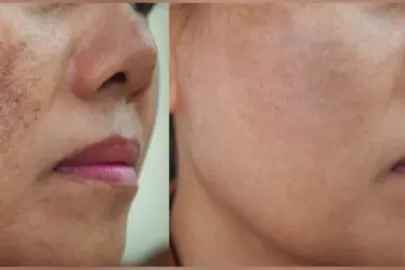
How to Get Fair Skin Naturally: Safe Tips for Brighter Skin
Walk into any pharmacy and you will find shelves of creams promising a lighter complexion in days. It is no surprise that “how to get fair skin” is one of the most searched beauty questions in India. But when we speak to patients, most of them are not really asking to change their skin colour. They want skin that looks even, clear, rested and bright, without tan lines, dark patches or a tired, dull look.
Here is the honest truth from a dermatology point of view: your natural skin tone is set by your genes. No safe cream, pack or home remedy can permanently change it, and products that claim to do so often contain hidden steroids or bleaching agents that damage skin. What you can change is everything that sits on top of your natural tone: sun tan, pigmentation, acne marks, dryness and dullness.
This explains how to get fair skin naturally in the true sense of the phrase, meaning your healthiest, brightest and most even-toned skin. You will learn why skin looks dull, which natural ingredients genuinely help, simple face glow tips for your skin type, and when it is time to see a specialist.
Table of Contents
Fair Skin vs. Healthy Glow: What Your Skin Can (and Can’t) Change
Skin colour comes from melanin, a pigment made by cells called melanocytes. Everyone has roughly the same number of these cells. The difference lies in how much melanin they make and what type, which is decided mostly by genetics. Most Indian skin falls between Fitzpatrick types III and V, which tan easily and are more prone to dark spots after any irritation.
That is why brightening works on the extra melanin, not your baseline colour. Tanning, pigmentation patches and acne marks are all excess pigment triggered by sun, hormones or inflammation. Reduce the triggers and support healthy skin renewal, and your face looks visibly clearer and lighter than it does today.
Keep your timeline realistic. The top layer of skin renews itself roughly every 4 to 6 weeks, and more slowly with age. Most people notice a real difference in tone after 8 to 12 weeks of consistent care. Anything promising results “in 3 days” is either temporary or unsafe.
Why Your Skin Looks Dull and Uneven: Hidden Culprits Behind Dark Patches
Before you try to fix your complexion, it helps to know what is darkening it. Understanding the reasons for pigmentation on face is the first step, because the right fix depends on the cause. The most common triggers we see in clinic are:
- Sun exposure: UV rays and even visible light push melanocytes to produce more pigment. This is the single biggest cause of tan and dark spots in India.
- Hormonal changes: Pregnancy, birth control pills and thyroid imbalance can trigger melasma, the brown patches on cheeks, forehead and upper lip.
- Acne marks: Every pimple leaves inflammation behind. On brown skin, this often turns into post-inflammatory hyperpigmentation that lasts for months.
- Harsh products and friction: Scrubbing, strong bleach creams and rubbing with towels irritate skin and darken it further.
- Nutritional gaps: Low vitamin B12, iron or folate can cause dullness and patchy darkening, especially around the knuckles and mouth.
- Lifestyle factors: Poor sleep, smoking, pollution and stress all speed up skin damage and slow down repair.
How to Get Fair Skin Naturally: 10 Safe Habits That Actually Work
If you want to know how to get glowing skin naturally, start with habits rather than products. These ten steps form the foundation of every brightening plan we recommend.
- Wear sunscreen every single day. Use a broad-spectrum SPF 30 or higher with PA+++ rating, even indoors and on cloudy days. Apply about two finger-lengths for the face and neck, and reapply every 2 to 3 hours outdoors. If you have melasma, a tinted sunscreen with iron oxides also blocks visible light.
- Cleanse gently, twice a day. A mild, pH-balanced cleanser removes sweat, oil and pollution without stripping your skin barrier. Skip harsh soaps.
- Never skip moisturiser. Hydrated skin reflects light better, which is the secret behind that natural face glow. Even oily skin needs a light gel moisturiser.
- Exfoliate, but softly. Once or twice a week is enough. A mild lactic acid or enzyme exfoliant removes dead cells without the micro-tears that rough scrubs cause.
- Eat for your skin. Vitamin C-rich foods like amla, guava, oranges and bell peppers support collagen and help fade dullness. Add carrots, spinach, nuts, seeds and fish for vitamin A, vitamin E, zinc and omega-3s. Cut back on sugar and highly processed snacks.
- Drink enough water. Around 2 to 3 litres a day, more in summer, keeps skin plump and supports healthy repair.
- Sleep 7 to 8 hours. Skin repairs itself at night. Chronic poor sleep shows up as dark circles, puffiness and a grey, tired tone.
- Move your body and manage stress. Exercise boosts circulation, giving an instant flush of colour. High stress raises cortisol, which can worsen acne and pigmentation.
- Hands off pimples. Picking or squeezing turns a small spot into a dark mark that can last months.
- Quit smoking and limit alcohol. Both reduce oxygen supply to skin and speed up dullness and early ageing.
Kitchen Remedies vs. Skin Science: Natural Ingredients for a Brighter Face
Many natural ingredients can support a brighter complexion, but not all of them are safe for the face. Use this table to choose wisely, and always do a patch test on your inner arm for 24 hours before trying anything new.
| Ingredient | How it may help | How to use | Caution |
|---|---|---|---|
| Aloe vera gel | Soothes sun-exposed skin and hydrates | Thin layer of fresh or pure gel, 15 to 20 minutes | Some people are allergic; patch test first |
| Turmeric | Anti-inflammatory; may calm acne-prone skin | Pinch mixed with yoghurt or honey, 10 minutes | Can stain and irritate; avoid on broken skin |
| Raw honey | Hydrates and has mild antibacterial action | Thin layer as a 15-minute mask | Choose pure honey; avoid if you have pollen allergy |
| Plain yoghurt | Lactic acid gently exfoliates dead cells | Apply 15 minutes, 2 to 3 times a week | May sting on very sensitive skin |
| Green tea | Antioxidants protect against sun and pollution damage | Cooled brew as a toner or in skincare | Mild; suits most skin types |
| Licorice root extract | Helps reduce excess melanin production | In serums or creams | Best in tested formulations, not homemade |
| Vitamin C (from amla, citrus) | Brightens and supports collagen | Eat daily; use stable vitamin C serums on skin | Never rub raw citrus on the face |
| Lemon juice, baking soda, toothpaste | Do not help | Avoid | Burn, irritate and can cause darker patches |
| Over-the-counter “fairness” creams with steroids | Temporary lightening only | Avoid unless prescribed | Can cause thinning, acne, redness and rebound darkening |
The takeaway: gentle, soothing ingredients help your skin heal and glow, while acidic or abrasive “hacks” often trigger the very pigmentation you are trying to remove.
Face Glow Tips Tailored to Your Skin Type
There is no single answer to how to make skin glow, because oily, dry and sensitive skin each need different care. Matching your routine to your skin type prevents breakouts and irritation, both of which lead to more dark marks.
Oily and Acne-Prone Skin
Oily skin shines, but that is not the same as a healthy glow. Choose oil-free, non-comedogenic products and a lightweight gel moisturizer. Ingredients like niacinamide help control oil and fade marks, while salicylic acid keeps pores clear. For product ideas, read our ideas on the best skincare for oily skin.
Dry Skin
Dry skin looks dull because a weak barrier scatters light unevenly. Look for ceramides, glycerin, hyaluronic acid and shea butter. Avoid hot showers and foaming cleansers. Dryness rarely stops at the face; hands lose moisture fast from frequent washing and sanitisers. Our list of the best hand creams for dry skin can help you keep hands as soft and even-toned as your face.
Combination Skin
Treat zones differently. Use a light gel on the T-zone and a richer cream on the cheeks. A gentle cleanser and daily sunscreen suit the whole face.
Sensitive Skin
Keep it simple: fragrance-free cleanser, moisturiser and mineral sunscreen. Introduce one new product at a time, two weeks apart, so you can spot what reacts.
How to Get Clear Skin: A Simple Morning and Night Routine
Consistency matters more than the number of products. If you are wondering how to get clear skin without a 10-step routine, this four-step plan is all most people need.
| Step | Morning | Night |
|---|---|---|
| 1. Cleanse | Mild cleanser or plain water rinse | Gentle cleanser to remove sunscreen, sweat and pollution |
| 2. Treat | Vitamin C serum for brightness and antioxidant protection | Niacinamide, or a dermatologist-prescribed cream for pigmentation |
| 3. Moisturise | Lightweight moisturiser suited to your skin type | Slightly richer moisturiser to support overnight repair |
| 4. Protect | Broad-spectrum SPF 30+ sunscreen, reapplied outdoors | Not needed; let skin rest |
| Weekly | Gentle exfoliation 1 to 2 times | Soothing mask such as aloe vera or honey |
Stick with this routine for at least 8 weeks before judging results. Wondering how to get glowing skin faster? The answer is not more products, but daily sunscreen and good sleep, done without fail.
Common Skin Mistakes That Steal Your Natural Glow
Sometimes the fastest way to brighter skin is to stop doing the things that damage it. Watch out for these common errors:
- Using steroid-based fairness creams without a prescription. They lighten skin briefly, then cause thinning, redness, acne and darker rebound patches. Always check the label for words like clobetasol, betamethasone or mometasone.
- Applying lemon, baking soda or toothpaste on the face. These are too acidic or alkaline and can burn, leaving dark spots behind.
- Skipping sunscreen on “indoor” days. UVA rays pass through windows, and screen time adds to visible light exposure.
- Over-exfoliating. Daily scrubs and multiple acids weaken the skin barrier and trigger more pigmentation.
- Mixing too many actives. Layering retinol, strong acids and vitamin C together causes irritation. Introduce one at a time.
- Expecting overnight results. Switching products every week never gives any product a fair chance to work.
When Home Care Isn’t Enough: Expert Help at Prakash Hospital
Natural care works well for mild tan and dullness. However, some skin concerns need a proper diagnosis, because melasma, hormonal pigmentation and deep acne marks rarely respond to home remedies alone. Consider seeing a dermatologist if:
- Dark patches keep spreading or darkening despite daily sunscreen
- Pigmentation appeared during pregnancy or after starting hormonal medicines
- You have active acne that leaves marks behind
- Your skin became red, thin or sensitive after using a fairness cream
- You see no improvement after 3 months of consistent care
At the Dermatology and Venereology department of Prakash Hospital, Dr. Mohna Chauhan assesses the cause of your pigmentation before recommending any treatment. Depending on your skin type and condition, options may include prescription creams, chemical peels, laser toning or other clinic procedures, always planned around your skin’s safety.
Want a personalized plan? Book a consultation at Prakash Hospital and get advice from a skin specialist instead of guessing with products.
Frequently Asked Questions
1. Can I get fair skin naturally at home?
You cannot change your natural skin colour, but you can remove tan, fade mild dark spots and bring back a healthy glow at home. Daily sunscreen, gentle cleansing, moisturising and a nutrient-rich diet are the most effective natural steps.
2. How long does it take to get brighter skin naturally?
Most people see a visible change in 8 to 12 weeks of consistent care. Tan usually fades faster, while deeper pigmentation or acne marks can take several months.
3. How can I get glowing skin in 7 days?
In one week, you can improve hydration and texture, not skin tone. Drink enough water, sleep well, moisturise twice daily, use sunscreen and try a soothing aloe vera or honey mask for a quick, short-term face glow.
4. Which vitamin is best for glowing skin?
Vitamin C is the most researched for brightening, as it supports collagen and helps reduce dullness. Vitamins A and E, along with zinc and omega-3 fatty acids, also support healthy, clear skin.
5. Is it safe to apply lemon juice on the face?
No. Lemon juice is highly acidic and can cause burns and irritation, especially in the sun. On Indian skin, this often leaves darker patches than before.
6. Does drinking water make your skin glow?
Water keeps skin hydrated and supports repair, which can make it look fresher. It will not lighten your skin tone on its own, but it works well alongside sunscreen and good skincare.
7. Are fairness creams safe to use?
Many over-the-counter fairness creams contain steroids, mercury or high-strength bleaching agents that are unsafe without medical supervision. Always check ingredients and consult a dermatologist before using any skin-lightening product.
8. Which is better for pigmentation: home remedies or dermatologist treatment?
Home care helps with mild tan and dullness. For melasma, stubborn patches or acne marks, a dermatologist can identify the cause and offer targeted, safe treatments that work faster.
The Bottom Line: Healthy Skin Is the Brightest Skin
Learning how to get fair skin is really about learning to care for the skin you already have. Protect it from the sun, keep it clean and hydrated, feed it well and give it time. These simple habits fade tan, reduce marks and bring out a natural, even glow that no quick-fix cream can match safely.
If pigmentation, acne marks or uneven tone are still bothering you, do not keep experimenting on your face. Visit Dr. Mohna Chauhan at Prakash Hospital for an expert skin assessment and a treatment plan made for your skin type.

- How to Get Fair Skin - September 28, 2026
- Best Hand Creams for Dry Skin - September 24, 2026
- Best Skincare for Oily Skin - September 22, 2026