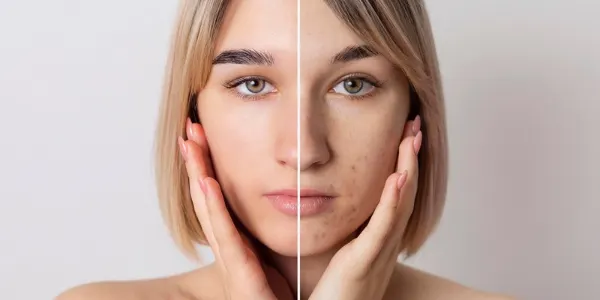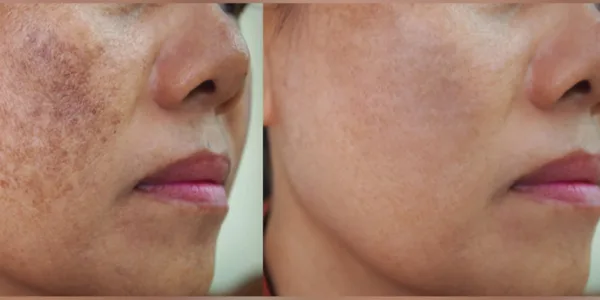
Waking up and noticing uneven skin tone, dark spots, or patches on your face can be unsettling — and you are far from alone. Facial pigmentation is one of the most common skin concerns seen at dermatology hospital across India.
At Prakash Hospital, our skin specialists — including Dr. Mohna Chauhan — consult with hundreds of patients every month who want to understand what is the Reasons for Pigmentation on Face and, more importantly, how to address it effectively.
This comprehensive guide breaks down the top 10 causes, the different types of pigmentation on face, and a clear roadmap toward recovery — all grounded in dermatological science.
Table of Contents
What Is Facial Pigmentation and Why Does It Happen?
Pigmentation refers to the colouring of the skin caused by a pigment called melanin, produced by cells known as melanocytes. When these cells become overactive or damaged — due to internal or external triggers — they produce excess melanin that clusters in specific areas, causing dark spots, patches, or an uneven complexion.
Understanding the reasons for dark pigmentation on face is the first step toward lasting skin recovery. The causes range from lifestyle habits to underlying medical conditions, which is why a professional skin assessment is always recommended.
Data Table 1: Top 10 Causes of Facial Pigmentation at a Glance
| # | Cause | Pigmentation Type | Primary Trigger | Most Affected Skin Types |
| 1 | Sun Exposure | Solar Lentigines / Freckles | UV Radiation | All (esp. Fair) |
| 2 | Hormonal Changes | Melasma | Estrogen / Progesterone | III – VI |
| 3 | Post-Inflammatory (PIH) | Dark Spots / Patches | Acne, Eczema, Injury | IV – VI |
| 4 | Acne Scars | Hyperpigmentation Marks | Inflammatory Acne | III – VI |
| 5 | Nutritional Deficiency | Diffuse Darkening | Vit B12 / D Deficiency | All |
| 6 | Thyroid Disorders | Generalised Pigmentation | MSH Dysregulation | All |
| 7 | Genetics | Freckles / Lentigines | Inherited Melanocyte Sensitivity | I – IV |
| 8 | Harsh Skincare / Chemicals | Contact Dermatitis PIH | Chemical Irritants | All |
| 9 | Medications | Drug-Induced Pigmentation | Photosensitising Drugs | All |
| 10 | Stress & Sleep Deprivation | Dull / Uneven Complexion | Cortisol Elevation | All |
Top 10 Reasons for Pigmentation on Face — Detailed Breakdown
1. Unprotected Sun Exposure — The Number One Trigger
Ultraviolet (UV) radiation from the sun is the leading reason for pigmentation on face worldwide. When your skin is exposed to UV rays without adequate protection, melanocytes go into overdrive to shield deeper skin layers. The result? Sunspots, freckles, and uneven skin tone that worsen with time.
Using a broad-spectrum SPF 30+ sunscreen daily — even on cloudy days — is non-negotiable for prevention and recovery.
LSI Keywords: UV-induced hyperpigmentation, sunspots, photoaging, solar lentigines.
2. Hormonal Fluctuations — The Hidden Driver Behind Melasma
One of the most recognisable types of pigmentation on face is melasma — symmetrical brown or grey-brown patches that typically appear on the cheeks, forehead, and upper lip. The primary culprit is hormonal change.
Pregnancy (the “pregnancy mask” or chloasma), oral contraceptives, and hormone replacement therapy all elevate estrogen and progesterone levels, stimulating excess melanin production. Dr. Mohna Chauhan at Prakash Hospital frequently identifies hormonal pigmentation as a distinct subtype requiring tailored treatment — not just topical creams.
3. Post-Inflammatory Hyperpigmentation (PIH) — When Skin Heals Imperfectly
Every time your skin experiences inflammation — from acne, eczema, a rash, or even an insect bite — the healing process can leave behind dark marks. This is called post-inflammatory hyperpigmentation (PIH) and is particularly pronounced in individuals with medium to dark skin tones.
This is one of the most common reasons for black pigmentation on face among South Asian populations. Picking or squeezing pimples significantly worsens this response.
4. Acne Scars and Blemishes — Marks That Linger Long After Breakouts
Inflammatory acne — cysts, nodules, and papules — causes localised trauma to the dermis. Even after the active breakout resolves, the skin may retain a dark, discoloured shadow for months. Dermatologists at Prakash Hospital often combine chemical peels, topical retinoids, and vitamin C serums to address this layered concern.
5. Nutritional Deficiencies — Your Diet Shows on Your Skin
A deficiency in key vitamins and minerals can directly impact skin health and melanin regulation:
- Vitamin B12 deficiency is closely linked to hyperpigmentation, particularly around the face and extremities.
- Vitamin D and E deficiencies impair the skin’s ability to repair itself.
- Iron deficiency anaemia can cause a dull, uneven complexion.
If topical treatments are not delivering results, blood work may reveal a nutritional gap that is driving the pigmentation.
6. Thyroid Disorders — An Overlooked Systemic Cause
Both hypothyroidism and hyperthyroidism can disrupt normal skin pigmentation by dysregulating melanocyte-stimulating hormone (MSH). Dr. Mohna Chauhan routinely screens patients with unexplained persistent pigmentation for thyroid dysfunction at Prakash Hospital, as treating the root cause often resolves the skin manifestation significantly.
7. Genetics and Skin Type — What You Inherit Matters
Certain individuals are genetically predisposed to developing hyperpigmentation. Those with Fitzpatrick Skin Types IV–VI (darker complexions) have melanocytes that are naturally more reactive. Conditions like Addison’s disease or cafe-au-lait spots have a clear genetic basis.
8. Harsh Skincare Products and Chemical Irritants — DIY Damage
Overuse of harsh exfoliants, strong chemical peels applied at home, or skincare products with irritating fragrances can trigger contact dermatitis — which in turn leads to PIH. Always patch-test new products and consult a certified dermatologist before beginning any active treatment regimen.
9. Medications That Trigger Photosensitivity — Drug-Induced Pigmentation
Several commonly prescribed medications increase the skin’s sensitivity to sunlight or directly stimulate melanin production, including:
- Tetracycline antibiotics
- Antimalarial drugs (hydroxychloroquine)
- Non-steroidal anti-inflammatory drugs (NSAIDs)
- Certain antipsychotics and chemotherapy agents
This form of pigmentation often resolves after the medication is discontinued, though sun protection remains essential in the interim.
10. Chronic Stress and Sleep Deprivation — The Cortisol Connection
Persistent emotional stress elevates cortisol levels, which interferes with skin regeneration cycles and can trigger inflammatory pathways that worsen existing pigmentation. Poor sleep compounds this — skin repairs itself primarily during deep sleep phases, and chronic deprivation slows cell turnover dramatically.
Types of Pigmentation on Face — Quick Reference
| Pigmentation Type | Common Cause | Appearance | Key Feature |
| Melasma | Hormonal / UV | Symmetrical brown/grey patches | Worsens with sun & pregnancy |
| Solar Lentigines (Sunspots) | Chronic sun exposure | Flat, dark brown spots | Appears on sun-exposed areas |
| Post-Inflammatory (PIH) | Acne, eczema, injury | Dark marks at inflamed sites | Common in darker skin tones |
| Freckles (Ephelides) | Genetics + UV | Small, light-brown dots | Fade in winter, deepen in summer |
| Drug-Induced Pigmentation | Photosensitising medicines | Diffuse or localised darkening | Resolves on stopping the drug |
| Periorbital Darkening | Genetics, fatigue, allergy | Dark circles under eyes | Multi-factorial origin |
How to Cure Pigmentation on Face: Recovery Pathways
Learning how to get rid of pigmentation on face depends on identifying the root cause. Here is an evidence-based recovery framework recommended by the dermatology team at Prakash Hospital:
- Sun Protection (Non-Negotiable): Apply broad-spectrum SPF 30–50 every morning and reapply every 2–3 hours outdoors.
- Topical Depigmenting Agents: Dermatologist-prescribed ingredients like hydroquinone, kojic acid, azelaic acid, niacinamide, and retinoids reduce melanin synthesis over time.
- Professional In-Clinic Treatments: Chemical peels, Q-switched laser therapy, microneedling, and PRP therapy.
- Address Underlying Medical Conditions: Managing thyroid disorders, hormonal imbalances, or nutritional deficiencies can dramatically improve facial pigmentation.
- Dietary and Lifestyle Adjustments: Antioxidant-rich foods, adequate hydration, and stress management all support skin recovery.
Pigmentation Treatment Options & Expected Timeline
| Treatment | How It Works | Expected Timeline | Best For |
| SPF 30–50 Sunscreen | Blocks UV-induced melanin stimulation | Prevention (ongoing) | All pigmentation types |
| Topical Hydroquinone | Inhibits tyrosinase enzyme | 8–12 weeks | Melasma, PIH |
| Vitamin C Serum | Antioxidant; reduces melanin oxidation | 6–10 weeks | Sunspots, dullness |
| Azelaic Acid | Reduces abnormal melanocyte activity | 8–12 weeks | PIH, melasma |
| Retinoids (Tretinoin) | Accelerates cell turnover | 8–16 weeks | Acne scars, PIH |
| Chemical Peels | Exfoliates pigmented skin layers | 3–6 sessions | PIH, sunspots, melasma |
| Laser Therapy (Q-switched) | Breaks up melanin deposits | 3–5 sessions | Stubborn pigmentation |
| Microneedling + Serum | Creates microchannels for deeper serum delivery | 4–6 sessions | PIH, acne scars |
| PRP Therapy | Growth factors stimulate skin regeneration | 3–4 sessions | Dull skin, diffuse pigmentation |
| Dietary/Lifestyle Changes | Reduces oxidative stress & cortisol | 2–3 months (gradual) | All types (adjunct) |
When Should You See a Dermatologist?
You should book a professional consultation with Prakash Hospital if:
- Pigmentation appears suddenly or changes rapidly
- Dark patches are spreading or asymmetrical
- Over-the-counter products have shown no improvement after 8–12 weeks
- You have associated symptoms like fatigue, hair loss, or irregular periods
Early diagnosis prevents mismanagement and ensures you receive the most effective, safest treatment for your skin type.
FAQs
What is the most common reason for pigmentation on face?
Sun (UV) exposure is the leading global cause. Hormonal changes are the second most common trigger, especially in women.
Can pigmentation on face be cured permanently?
Many types can be significantly reduced or eliminated. Ongoing sun protection is essential to prevent recurrence.
What is the reason for black pigmentation on face?
Post-inflammatory hyperpigmentation (PIH) after acne or injury is the most common cause. Addison’s disease is a rarer systemic cause.
Are home remedies effective?
Mild pigmentation may respond to vitamin C or niacinamide. Persistent cases require professional dermatological treatment.
How long does treatment take?
Topical treatments: 8–12 weeks. In-clinic procedures (lasers, peels): 3–6 sessions. Consistency and SPF are critical.
Is facial pigmentation a sign of a serious condition?
Usually cosmetic, but sudden or unexplained pigmentation may signal thyroid disease, adrenal disorders, or nutritional deficiency.
Final Thoughts
Pigmentation on the face is rarely just a surface-level issue. Whether it stems from sun damage, hormones, stress, or an underlying health condition, understanding the root cause is the foundation of effective treatment.
At Prakash Hospital, the expert team led by Dr. Mohna Chauhan is committed to providing evidence-based, individualized skin care — not generic solutions. If you have been struggling with persistent facial pigmentation, a professional consultation is the smartest next step toward recovery.
Book your consultation with Dr. Mohna Chauhan at Prakash Hospital today.

- How to Remove Pigmentation From Face Permanently - October 19, 2026
- Back Acne - October 16, 2026
- Skin Allergy Symptoms: Early Warning Signs You Should Never Ignore - October 13, 2026