Lung cancer is one of the most common and serious cancers affecting people across the world, and India is no exception. Many families search online with the same worried question: “Lung Cancer Kaise Hota Hai?” In simple words, this disease develops when abnormal cells in the lungs begin to grow uncontrollably, gradually damaging healthy lung tissue and, if left unchecked, spreading to other parts of the body. This blog breaks down the causes, early warning signs, treatment approaches, and practical prevention tips in an easy, human way — with guidance from the specialists at Prakash Hospital, so you and your loved ones can make informed, timely decisions about lung health.
Table of Contents
What Is Lung Cancer? A Simple Overview
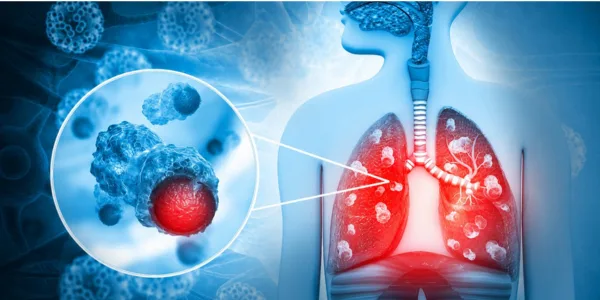
Lung cancer begins when cells inside the lungs mutate and multiply abnormally, forming a tumour that interferes with normal breathing and oxygen exchange. There are two broad types: Non-Small Cell Lung Cancer (NSCLC), which accounts for the majority of cases and tends to grow more slowly, and Small Cell Lung Cancer (SCLC), which is less common but spreads more aggressively. Understanding which type a person has plays a major role in deciding the right lung cancer treatment plan.
Lung Cancer Kaise Hota Hai? The Science Behind It
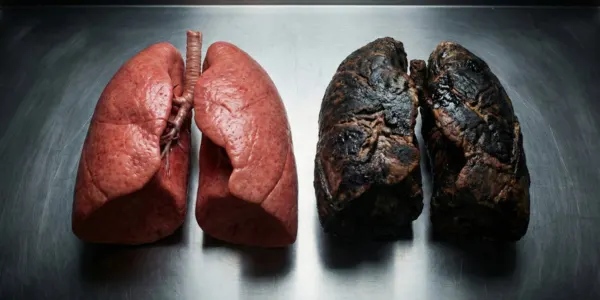
To truly understand lung cancer kaise hota hai, it helps to look at what happens inside the body. Our lungs are lined with delicate cells that help us breathe. When these cells are repeatedly exposed to harmful substances — like cigarette smoke, toxic fumes, or polluted air — their DNA can become damaged. Over years, this damage builds up until cells lose the ability to control their own growth. They begin dividing uncontrollably, forming a tumour that can eventually invade nearby tissue or travel through the bloodstream and lymphatic system to other organs. This gradual, cumulative damage is precisely why lung cancer often takes years, even decades, of exposure before it becomes noticeable.
Key Causes and Risk Factors Behind Lung Cancer
There isn’t a single cause of lung cancer — it usually results from a combination of lifestyle, environmental, and genetic factors. Smoking remains the leading cause, but non-smokers can develop lungs cancer too, especially due to pollution, occupational hazards, or family history. The table below summarises the major lung cancer causes doctors commonly identify:
| Risk Factor | How It Affects the Lungs |
| Smoking & Tobacco Use | Damages lung cells directly and is responsible for most lung cancer cases. |
| Secondhand Smoke | Passive inhalation of smoke exposes non-smokers to the same harmful chemicals. |
| Air Pollution | Fine particulate matter and vehicle emissions irritate and scar lung tissue over time. |
| Occupational Exposure | Long-term contact with asbestos, radon, diesel exhaust, or industrial chemicals raises risk. |
| Family History | A genetic predisposition can make some individuals more vulnerable to lung cancer. |
| Previous Lung Disease | Conditions like COPD or tuberculosis scarring can increase susceptibility. |
It is worth noting that no single factor guarantees the disease, but the more risk factors a person is exposed to, the higher their chances become. This is why doctors at Prakash Hospital always encourage early lifestyle changes and periodic screening for high-risk individuals.
Lung Cancer Symptoms You Should Never Ignore
One of the biggest challenges with this disease is that early lung cancer symptoms are often mistaken for a common cold, seasonal allergy, or simple fatigue. Recognising the warning signs early can make a real difference in treatment outcomes. Common lung cancer symptoms include:
- A persistent cough that lasts more than two to three weeks and doesn’t improve
- Coughing up blood or rust-coloured mucus
- Chest pain that worsens with deep breathing, coughing, or laughing
- Unexplained shortness of breath, even during light activity
- Hoarseness of voice that doesn’t go away
- Sudden, unintentional weight loss and loss of appetite
- Recurring chest infections such as bronchitis or pneumonia
- Persistent fatigue and general weakness
If you or a loved one notice any combination of these signs, it is important to consult a specialist promptly. You can read a more detailed breakdown of lung cancer symptoms on the Prakash Hospital website to understand which signs need urgent medical attention.
Stages of Lungs Cancer: How the Disease Progresses
Doctors classify lung cancer into stages based on tumour size, lymph node involvement, and whether it has spread to other organs. Staging helps determine the most effective treatment approach and gives a clearer picture of prognosis.
| Stage | What It Means |
| Stage 0 | Abnormal cells are present only in the lining of the airway; considered pre-cancerous. |
| Stage I | A small tumour confined to the lung with no spread to lymph nodes. |
| Stage II | The tumour is larger or has spread to nearby lymph nodes within the chest. |
| Stage III | Cancer has spread to lymph nodes and structures near the lungs, such as the chest wall. |
| Stage IV | The cancer has spread (metastasised) to the other lung, fluid around the lungs, or distant organs. |
Early-stage detection dramatically improves outcomes, which is another reason why paying attention to lung cancer symptoms and going for regular check-ups matters so much, especially for smokers and individuals with a family history of the disease.
How Is Lung Cancer Diagnosed?
Diagnosis usually begins with a detailed physical examination and a review of symptoms and medical history. Based on initial findings, doctors may recommend a chest X-ray, CT scan, sputum cytology, or a biopsy to confirm the presence of cancerous cells. In some cases, a PET scan is used to check whether the cancer has spread beyond the lungs. Blood tests and pulmonary function tests may also be conducted to assess overall lung health and guide the treatment plan. Accurate diagnosis is the foundation of effective lung cancer treatment, which is why choosing an experienced oncology team matters.
Lung Cancer Treatment Options Available Today
Modern medicine offers several effective approaches to lung cancer treatment, and the right combination depends on the cancer type, stage, and the patient’s overall health. The specialists at the Medical Oncology department of Prakash Hospital tailor treatment plans that may include one or more of the following:
- Surgery: Removal of the tumour or the affected part of the lung in earlier stages
- Chemotherapy: Medication to destroy or shrink cancer cells, often used before or after surgery
- Radiation Therapy: High-energy beams targeted at the tumour to eliminate cancerous cells
- Targeted Therapy: Drugs that specifically attack genetic mutations driving cancer growth
- Immunotherapy: Treatment that boosts the body’s own immune system to fight cancer cells
A multidisciplinary approach — combining oncologists, pulmonologists, radiologists, and supportive care specialists — gives patients the best chance of a positive outcome. Prakash Hospital brings together this kind of coordinated, patient-centred care under one roof.
Bachav Ki Jankari: How to Prevent Lung Cancer
While not every case can be prevented, a significant proportion of lung cancer cases are linked to avoidable risk factors. Simple, consistent lifestyle changes can meaningfully lower your risk:
- Quit smoking and avoid secondhand smoke exposure wherever possible
- Test your home for radon gas if you live in a high-risk area
- Use protective equipment if your occupation involves chemical or dust exposure
- Eat a balanced diet rich in fruits, vegetables, and antioxidants
- Exercise regularly to support healthy lung function
- Limit exposure to outdoor air pollution, especially during high-pollution days
- Go for regular health screenings if you fall into a high-risk category
These small, everyday choices add up over time and form the most reliable form of bachav (prevention) against this disease.
When Should You Rush to the Hospital?
Certain symptoms need immediate medical attention rather than a wait-and-watch approach — for instance, coughing up significant amounts of blood, severe difficulty breathing, sudden chest pain, or extreme weakness. In such situations, don’t delay. The Emergency Department at Prakash Hospital, Greater Noida is equipped to handle such critical situations round the clock, ensuring patients receive prompt, expert care when every minute counts.
Why Prakash Hospital Is Trusted for Lung Cancer Care
Prakash Hospital brings together experienced oncologists, advanced diagnostic technology, and a compassionate care team to support patients through every stage of their lung cancer journey — from the first consultation to long-term follow-up. Whether you need clarity on lung cancer symptoms, a second opinion on lung cancer treatment, or emergency support, the team focuses on accurate diagnosis, personalised treatment planning, and continuous patient support. You can also find and connect with Prakash Hospital here to book a consultation or learn more about the hospital’s facilities.
Frequently Asked Questions (FAQs)
1. Lung Cancer Kaise Hota Hai in simple terms?
It happens when lung cells are damaged — mostly due to smoking, pollution, or toxic exposure — and start growing abnormally, forming a tumour over time.
2. What are the earliest lung cancer symptoms?
A persistent cough, breathlessness, chest discomfort, and unexplained fatigue are often among the earliest lung cancer symptoms, though they can be subtle at first.
3. Can non-smokers get lungs cancer?
Yes. While smoking is the leading cause, secondhand smoke, air pollution, radon exposure, and genetic factors can lead to lung cancer even in non-smokers.
4. Is lung cancer treatment always surgical?
No. Lung cancer treatment can include chemotherapy, radiation, targeted therapy, or immunotherapy, depending on the stage and type. Surgery is generally recommended for earlier stages.
5. How can I reduce my risk of lung cancer causes?
Avoiding tobacco, minimising exposure to pollution and occupational toxins, eating well, and going for regular screenings are the most effective ways to lower your risk.
6. When should I visit Prakash Hospital for lung-related concerns?
If you experience a persistent cough, breathlessness, chest pain, or coughing up blood, it’s advisable to consult the specialists at Prakash Hospital without delay for timely diagnosis and care.
Final Thoughts
Understanding lung cancer kaise hota hai empowers you to take proactive steps for your respiratory health — from recognising early lung cancer symptoms to adopting preventive habits in daily life. Lung cancer is a serious diagnosis, but with early detection, the right lung cancer treatment, and consistent support from an experienced medical team, many patients go on to live full, meaningful lives. If you have concerns about your lung health, don’t wait — reach out to the specialists at Prakash Hospital for guidance, diagnosis, and compassionate, expert care.

- Reasons for Dry Skin - October 10, 2026
- Hyperpigmentation Vitamin B12 Deficiency - October 6, 2026
- Forehead Pimples Reason - October 3, 2026