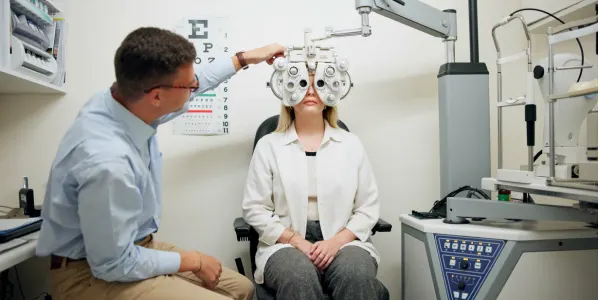
If you often feel eye strain after reading, need to hold books farther away, or experience blurry close-up vision, you might have hypermetropia. Also called farsightedness, this common refractive error affects how your eyes focus light. In this guide, we’ll explain what is hypermetropia, its causes of hypermetropia, different types of hypermetropi, key symptoms, treatment options, and how it differs from myopia and hypermetropia. You’ll also learn why hypermetropia is also known as “farsightedness,” and when to see an eye specialist like Dr. Prabha Chouriya Chauhan at prakash hospital.
Table of Contents
Understanding Hypermetropia: What Exactly Is It?
hypermetropia is a refractive condition where incoming light focuses behind the retina instead of directly on it. This happens because the eye is slightly too short (axial hypermetropia) or the cornea/lens has insufficient focusing power (refractive hypermetropia). As a result, distant objects may appear relatively clear, while nearby objects look blurry.
In simple terms, hypermetropia is also known as farsightedness because people with this condition often see far better than close up. However, moderate to high hypermetropia can blur vision at all distances, especially in children or older adults.
What Is Hypermetropia?
When we ask what is hypermetropia, we’re describing an eye condition where the eye’s optical system doesn’t bend (refract) light enough to focus images sharply on the retina. The brain receives a slightly blurred image, particularly for near tasks like reading, using a phone, or sewing.
Key facts:
- It’s a common, non-dangerous condition but can cause significant discomfort.
- It often develops in childhood and may persist or change with age.
- Mild hypermetropia can be compensated by the eye’s natural focusing (accommodation), hiding symptoms until strain builds up.
Causes of Hypermetropia: Why Does It Happen?
The causes of hypermetropia generally fall into two categories:
1. Axial Causes (Eye Shape)
- The eye is shorter than normal from front to back.
- This is the most common cause and is often present from birth.
- Family history plays a strong role; it can be inherited.
2. Refractive Causes (Focusing Power)
- The cornea is flatter than normal.
- The lens has reduced focusing power.
- Certain conditions (e.g., diabetes, lens changes after surgery) can alter refraction.
Other contributing factors:
- Aging: As the lens stiffens (presbyopia), underlying hypermetropia becomes more noticeable.
- Developmental factors: Some children are born with shorter eyes.
- Rare conditions: Microphthalmia (very small eye) or certain genetic syndromes.
At prakash hospital, our ophthalmology team evaluates both axial and refractive causes to tailor the right treatment plan.
Types of Hypermetropi: How Is It Classified?
While you may see “types of hypermetropi” written informally, the correct term is “types of hypermetropia.” Clinically, hypermetropia is classified in several ways:
1. By Degree (Severity)
- Mild hypermetropia: +0.25 to +2.00 diopters
Often compensated by accommodation; symptoms may be minimal. - Moderate hypermetropia: +2.25 to +5.00 diopters
Blurry near vision is common; some distance blur may occur. - High (severe) hypermetropia: >+5.00 diopters
Vision can be blurry at all distances; higher risk of eye strain and complications.
2. By Cause
- Axial hypermetropia: Shorter eye (most common).
- Refractive hypermetropia: Reduced corneal/lens power.
- Absolute hypermetropia: The eye cannot compensate even with accommodation; blur is present at all distances.
- Facultative hypermetropia: The eye can clear near vision using accommodation, but this causes strain.
- Latent hypermetropia: Hidden by normal accommodation; only detected with specific tests (e.g., cycloplegic refraction).
Understanding these types of hypermetropi helps specialists like Dr. Prabha Chouriya Chauhan choose between glasses, contact lenses, or surgical options.
Hypermetropia vs. Myopia: What’s the Difference?
When comparing myopia and hypermetropia, the key difference is where light focuses:
| Feature | Myopia (Nearsightedness) | Hypermetropia (Farsightedness) |
|---|---|---|
| Light focus point | In front of the retina | Behind the retina |
| Eye shape | Eye is too long | Eye is too short |
| Clear vision | Near objects | Far objects (often) |
| Blurry vision | Distant objects | Close objects (often) |
| Common age of notice | Childhood, school years | Childhood or later (as accommodation declines) |
| Correction | Minus (–) lenses | Plus (+) lenses |
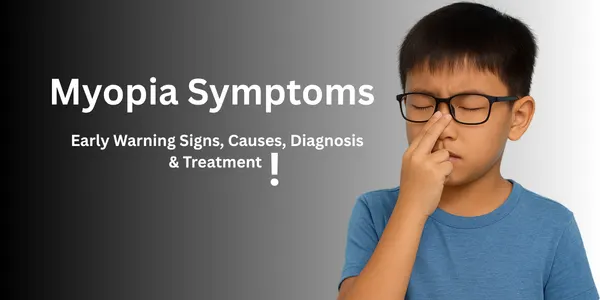
For more on myopia symptoms and management, you can visit our dedicated page on myopia symptoms.
Both conditions are refractive errors, not diseases, and both are easily managed with proper correction.
Key Symptoms of Hypermetropia
People with hypermetropia may experience:
- Blurry vision when reading, writing, or doing close work
- Eye strain or fatigue after near tasks
- Headaches, especially after prolonged screen use or reading
- Needing to hold books, phones, or screens farther away
- Squinting to see clearly
- Difficulty with night vision or detailed tasks
- In children: poor concentration, avoiding reading, or behavior that looks like “not paying attention”
Children may not complain clearly. If your child avoids reading, holds books very far, or gets frequent headaches, consider an evaluation at prakash hospital.
When to See an Eye Specialist
You should schedule an eye exam if:
- You notice persistent blur for near tasks
- You get frequent headaches after reading or screen use
- Your vision seems to change over time
- Your child shows signs of eye strain or learning difficulties
Dr. Prabha Chouriya Chauhan, an experienced ophthalmologist at prakash hospital, specializes in refractive errors like hypermetropia and myopia. She can perform a comprehensive refraction, check for underlying issues, and recommend the best correction for your age and lifestyle.
Learn more about here: Dr. Prabha Chouriya Chauhan – Our Doctors.
How Is Hypermetropia Diagnosed?
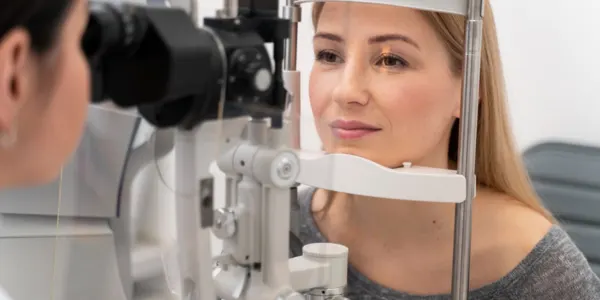
Diagnosis involves a standard eye examination:
- Visual acuity test: Reading letters on a chart at different distances.
- Refraction test: Using a phoropter to find the lens power that gives the clearest vision.
- Cycloplegic refraction (for children or latent hypermetropia): Drops temporarily relax accommodation to reveal the true refractive error.
- Eye health evaluation: Checking the retina, cornea, and lens for other conditions.
These tests help determine the type and degree of hypermetropia, guiding treatment choices.
Treatment Options for Hypermetropia
Treatment aims to move the focus point back onto the retina, giving clear vision and reducing strain.
1. Eyeglasses
- The simplest and safest option.
- Use plus (+) lenses to add focusing power.
- Especially helpful for children, students, and people who prefer non-invasive correction.
2. Contact Lenses
- Provide a wider field of view than glasses.
- Suitable for adults comfortable with lens care.
- Also use plus (+) power for hypermetropia.
3. Refractive Surgery
For adults with stable prescriptions:
- LASIK or PRK: Reshape the cornea to increase its focusing power.
- Conductive keratoplasty or other laser options in specific cases.
- Surgery is not usually recommended for children.
At prakash hospital, our team evaluates whether surgery is appropriate based on your age, eye health, and prescription stability.
4. Managing Eye Strain
Even with correction, many people benefit from:
- The 20-20-20 rule: Every 20 minutes, look 20 feet away for 20 seconds.
- Proper lighting and screen distance.
- Regular eye check-ups, especially if symptoms change.
Can Hypermetropia Go Away on Its Own?
Mild hypermetropia in children may improve as the eye grows, but it often remains stable or becomes more noticeable with age. In adults, hypermetropia typically does not disappear spontaneously. Instead, it may worsen slightly as the lens stiffens (presbyopia), making near vision more difficult.
Regular monitoring is essential. If you’re unsure whether your hypermetropia is changing, consult Dr. Prabha Chouriya Chauhan at prakash hospital for a professional evaluation.
Lifestyle Tips for People with Hypermetropia
Even with corrected vision, small habits can reduce discomfort:
- Use good, direct lighting when reading or working close-up.
- Keep screens at a comfortable distance (about 20–28 inches).
- Avoid prolonged near tasks without breaks.
- Wear your prescribed glasses or contacts consistently.
- Protect eyes from UV with sunglasses when outdoors.
- Maintain a healthy diet with vitamins A, C, E, and omega-3 fatty acids.
These steps support overall eye health and reduce strain, especially if you have moderate to high hypermetropia.
Why Choose Prakash Hospital for Hypermetropia Care?
prakash hospital offers:
- Comprehensive eye exams with modern refraction equipment
- Expert care from experienced ophthalmologists like Dr. Prabha Chouriya Chauhan
- Personalized treatment plans: glasses, contacts, or surgical options
- Child-friendly evaluations for early detection of refractive errors
- Clear guidance on myopia and hypermetropia, presbyopia, and other vision issues
Whether you’re a student, professional, or senior, the goal is clear vision, comfort, and long-term eye health.
FAQs
1. What is hypermetropia in simple words?
hypermetropia is farsightedness: a condition where light focuses behind the retina, causing blurry close-up vision and eye strain.
2. Is hypermetropia the same as farsightedness?
Yes. hypermetropia is also known as farsightedness.
3. What are the main causes of hypermetropia?
The causes of hypermetropia include a shorter-than-normal eye (axial) or reduced focusing power of the cornea/lens (refractive).
4. What are the types of hypermetropia?
Common types of hypermetropi include mild, moderate, and severe; axial vs. refractive; and absolute, facultative, and latent hypermetropia.
5. How is hypermetropia different from myopia?
In myopia and hypermetropia, light focuses in front of the retina (myopia) vs. behind the retina (hypermetropia). Myopia blurs distant vision; hypermetropia often blurs near vision.
Final Thoughts
Understanding what is hypermetropia helps you recognize symptoms early and get the right care. With clear diagnosis, proper correction, and regular follow-ups, most people with hypermetropia enjoy comfortable, clear vision and a normal quality of life.
If you’re experiencing blur, strain, or headaches, don’t wait. Visit prakash hospital and talk to Dr. Prabha Chouriya Chauhan for a thorough eye exam and personalized hypermetropia management plan.

- How to Remove Pigmentation From Face Permanently - October 19, 2026
- Back Acne - October 16, 2026
- Skin Allergy Symptoms: Early Warning Signs You Should Never Ignore - October 13, 2026