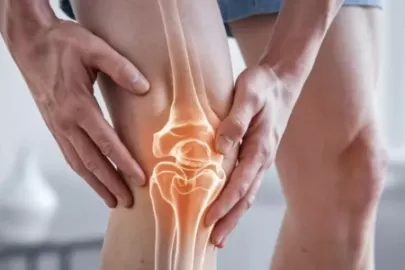
Common Misconceptions About Hip Replacement Surgery
Many people, when thinking about hip replacements, still believe old myths that create unnecessary fear. However, with the expertise of the best orthopedic doctor in Greater Noida, along with advancements in surgical techniques, recovery has become faster and outcomes more successful than ever. Let’s explore some common myths that might prevent patients from seeking the care they truly need.

Myth 1: Hip Replacement Is Only for Elderly Patients
Many think hip replacements are meant for older people, but that idea isn’t correct. The procedure doesn’t have a set age limit and is now done on patients from a range of age groups. Studies reveal that about 28% of these surgeries happen in patients younger than 55.
Dr. Vivek Prakash says, “Pain levels, limited mobility, and overall quality of life should decide the need for a hip replacement—not someone’s age. We’ve treated patients in their 30s and 40s dealing with serious hip joint damage caused by conditions like avascular necrosis or injuries.”
Myth 2: Hip Implants Don’t Last Long
Patients often worry about how long implants last. A lesser-known fact about hip replacements is that modern implants, when taken care of , can work well for more than 20 years. Research shows that 85% of these implants remain effective after 15 years, while 58% still work after 25 years. Better materials and smarter designs have greatly increased how long implants can last.
Myth 3: Recovery Requires Extended Hospital Stay
A lot of people think they’ll be stuck in the hospital for a long time, but over 85% of patients go home the same day or the next day after surgery. This quick discharge happens because doctors now use less invasive methods, better pain control plans, and stronger rehab routines.
Myth 4: Limited Activity After Surgery
“Will I get back to doing my normal stuff?” is something patients often ask their doctors. Many people believe they have to give up activities forever. But most patients go back to doing things like light sports and their usual routines. After surgery, pain tends to go away, and movement gets better, so a lot of people end up being more active than they were before.
Myth 5: Alternative Therapies Can Replace Surgery
Although non-surgical options can sometimes help, they cannot fix a damaged joint. Even the best regenerative therapies we have today cannot rebuild the complex parts joints need to work . It is important to know the real reasons to avoid hip replacement, but these choices should come from facts, not myths or false ideas.
Are Hip Replacements Safe? Separating Facts from Fiction
A lot of patients ask themselves, “are hip replacements safe?” Studies show they are one of the most reliable surgeries out there. Hip replacements have over a 95% success rate, which shows they are both safe and work very well.
A new study on quality of life from 2024 showed big improvements in both physical and mental health after hip replacement surgery. These benefits were seen in patients from both public and private healthcare systems.
| Aspect | Before Surgery | 6 Months After Surgery | 12 Months After Surgery |
| Pain Level (0-10) | 8.2 | 2.1 | 1.3 |
| Walking Distance | <1 block | 6+ blocks | Unlimited for most |
| Quality of Life Score | 42/100 | 78/100 | 86/100 |
| Independence Level | Moderate assistance | Minimal assistance | Independent |
| Return to Work | N/A | 65% | 92% |
Meeting the leading orthopedic specialist in Greater Noida helps you decide if hip replacement suits you and what results to look forward to after surgery.
Physical Therapy: A Key Part of Hip Surgery Rehabilitation
Role of physical therapy for hip recovery on the very first day after the operation leads to better improvements, both right away and later on.
Studies show that patients participating in structured physical therapy programs see:
- A decrease in pain intensity from 8/10 to 4/10 on the pain scale
- An increase in their Harris hip score from 22 out of 100 to 70 out of 100
- An improvement in their lower extremity functional scale from 7 out of 80 to 38 out of 80
Most physical therapy programs involve:
- Early Mobilization (Days 1-3): Patients stand up and walk with help.
- Basic Strengthening (Weeks 1-3): Light exercises help patients regain muscle power.
- Advanced Mobility (Weeks 4-6): Training includes walking longer distances climbing stairs, and improving balance.
- Return to Activities (Weeks 7-12): Tailored workout routines focus on individual recovery goals.
Studies highlight that keeping up with physical therapy during hip replacement recovery helps improve results and lowers complication risks.
Optimal Diet After Hip Replacement Surgery for Faster Healing
Your diet plan after hip replacement surgery should focus on foods loaded with calcium, vitamin D, and iron. These nutrients help speed up recovery and play a big part in how well your body heals.
Key Nutritional Components for Recovery:
Protein Requirements:
- Aim to eat 20-30 grams per meal
- Helps fix tissues and supports your immune system
- Good choices: lean meats, eggs, fish, beans, dairy
Essential Nutrients:
- Eat iron-rich foods and pair them with foods high in vitamin C to help with post-surgery anemia
- Add calcium and vitamin D to support bone healing and help the implant integrate properly
- Add high-fiber foods to avoid constipation after surgery
Sample Meal Plan:
| Meal | Food Items | Nutritional Benefits |
| Breakfast | Greek yogurt with berries and nuts | Protein, calcium, antioxidants |
| Mid-morning | Smoothie with spinach, banana, and protein powder | Iron, potassium, protein |
| Lunch | Grilled salmon with quinoa and steamed vegetables | Omega-3s, protein, fiber |
| Snack | Hummus with vegetable sticks | Protein, fiber, vitamins |
| Dinner | Lean chicken with sweet potato and broccoli | Protein, vitamin A, vitamin C |
| Evening | Warm milk with turmeric | Calcium, anti-inflammatory |
Eating a diet loaded with protein helps heal tissues and speeds up recovery after hip replacement surgery. It also lowers complications and reduces swelling.
Advanced Solutions for Hip Pain
To find the Best Hospital for Hip joint pain in Greater Noida , focus on places that have advanced orthopedic units and skilled surgeons. Many consider Prakash Hospital to be the best option in Greater Noida to treat hip joint issues because it provides thorough care in orthopedics.
The hospital offers:
- Accreditation by NABH and NABL to guarantee high standards
- Over two decades of reliable service since 2001
- Modern orthopedic care with state-of-the-art equipment
- Full support for recovery and rehabilitation
- A team of experienced surgeons led by expert orthopedic doctors
Dr. Vivek Prakash stands out as the top orthopedic specialist in Greater Noida to manage joint replacements. He brings more than 10 years of expertise in joint replacement and arthroscopy to his practice.
Real Hip Replacement Patient Experiences: Case Studies and Success Stories
Understanding the experiences of hip replacement patients can help you create practical recovery goals for yourself. At Prakash Hospital, two cases stand out:
Case Study 1: Jeannette’s Experience
Jeannette is a 58-year-old teacher who dealt with hip pain for more than five years. Basic treatments helped her, and her daily life became much harder.
Before Surgery:
- She could not walk over 100 meters without intense pain.
- She needed help with simple everyday tasks.
- Hip pain messed with her sleep every night.
- She was unable to keep teaching full-time.
After Surgery:
- Went back to small tasks one day after surgery
- Started teaching again in under 8 weeks
- Walks 3 kilometers every day now without any discomfort
- Had another hip replacement the next year
“I just wish I hadn’t delayed it for so long,” Jeannette says. “I spent years in pain because I was afraid of the surgery.”
Frequently Asked Questions About Hip Replacement Surgery
Q: How much time does the surgery take?
A: It lasts 1 to 2 hours. The exact time depends on the patient and the type of surgery.
Q: When can I start walking again?
A: Most people take their first assisted steps either on the same day or the day after their surgery.
Q: How long does it take to recover?
A: The first stage of recovery lasts about 4 to 6 weeks, but full healing with the best results can take between 3 and 6 months.
Q: Will airport metal detectors go off because of my implant?
A: Most implants today use titanium, which usually does not set off detectors. Still, it’s a good idea to bring along a medical implant card just in case.
Q: Are there things I should stop doing after recovery?
A: Running or contact sports are not recommended after recovery, but activities like swimming, biking, or even golf are okay.
Q: How can I tell if I might need a hip replacement?
A: Signs include long-term pain even after treatments, difficulty moving that hurts your daily life, and visible damage in imaging tests.
Conclusion
Hip replacement surgery has changed a lot over the years. It now gives better results and needs less time to recover. Clearing up these common myths can help people decide about their orthopedic care.
If hip pain is making it hard to do your usual activities, think about visiting an orthopedic doctor at Prakash Hospital in Greater Noida. With the right checkup, care, and therapy, you can be one of the many who have improved their movement and lifestyle after successful hip replacement surgery.