Meniscus issues in the knee can change lives when they lead to arthritis. Knowing how these injuries connect to arthritis is important to keep knees healthy over time. Dr. V S Chauhan the best orthopedic doctor in Greater Noida, focuses on treating meniscus injuries and arthritis with advanced care and precision. At Prakash Hospital, patients experience high-quality treatment that not only addresses the problem immediately but also works to keep knees healthy in the long run.
Meniscus tears are more tied to arthritis than most people think. A damaged meniscus can’t spread out pressure or cushion shocks in the knee joint. As a result, the cartilage experiences more strain and breaks down faster. This often speeds up the onset of osteoarthritis, so acting early and getting the right treatment from an experienced specialist is crucial to maintaining joint health over time.
Table of Contents
What Is the Meniscus and What Is a Meniscus Tear?
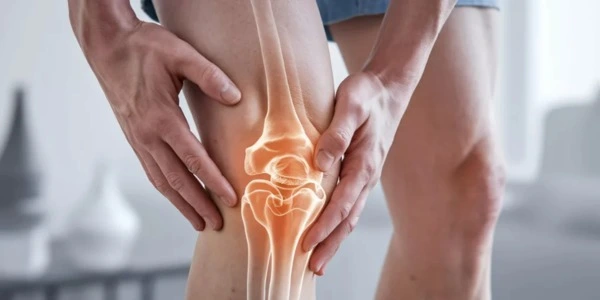
A torn meniscus happens when the C-shaped cartilage between the thighbone and shinbone gets damaged. This cartilage plays a big role in the knee since it cushions the joint, spreads out weight, absorbs shocks, and keeps the knee stable when moving. If it gets hurt, it can mess up how the knee works and raise the chance of arthritis over time.
The meniscus has two main parts. The inner side of the knee has the medial meniscus, while the outer side has the lateral meniscus. Both are vital for keeping the knee working right. Damage to either part can lead to symptoms like pain, swelling, and trouble moving the leg. Knowing how the meniscus is built and what it does helps people understand why treating injuries is key to stopping long-term problems.
Is the Lateral Meniscus Inside or Outside of the Knee?
Each knee has two menisci. The lateral meniscus is on the outside of the knee, and the medial meniscus is on the inside (the side facing your other knee). Medial meniscus tears are more common, especially wear-and-tear tears in people over 40.
Types of Meniscus Tears
Doctors categorize meniscus tears by their shape, where they are, and what caused them. Common ones are horizontal, vertical, complex, and bucket-handle tears. Degenerative changes usually in older people often lead to horizontal tears. Vertical tears, on the other hand, happen because of sudden injuries and are more common among young and active people.
Complex tears include a mix of tear patterns and can be tougher to fix. Bucket-handle tears happen when a large piece of the meniscus flips over, which might make the knee get stuck. Treating each kind of tear needs a different plan, and how long it takes to recover depends on the kind of tear and the treatment used.
How Common are Meniscus Tears?
Meniscus tears are one of the most typical knee injuries, and they can happen to people of any age. Research from the United States estimates about 61 meniscus tears per 100,000 people every year. As people get older, the chances go up, with degenerative tears being more frequent after age 40. Athletes who play sports that need quick pivoting sharp turns, or sudden changes in movement are at a greater risk of sudden meniscus injuries.
Meniscus tears happen at different rates based on gender and activity levels. Sudden sports-related tears are more common in young, active men, while wear-and-tear tears become common in both men and women after 40. Knowing these numbers can help people understand their risks and figure out ways to prevent such injuries.
Meniscus Issues in the Knee: Common Symptoms
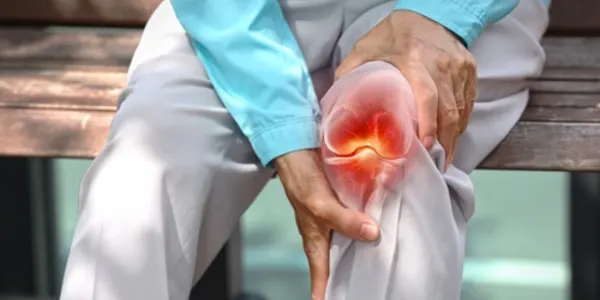
Spotting signs of a meniscus injury in your knee can help avoid arthritis and other long-term issues. The most noticeable signs are pain along the joint line, knee pain when bending or squatting, swelling that might show up over time, and stiffness that makes it hard to move the knee. People often feel like their knee wants to give out or feels wobbly when doing daily activities.
Other signs could be feeling or hearing a pop when the injury happens, trouble bending or straightening the knee, or like something is stuck or catching inside the joint. Some even notice a grinding feeling when they move their knees. How bad the symptoms are linked to the tear’s type, location, and size. Seeing a doctor is crucial to get the right diagnosis and care.
How Do I Know If I Tore My Meniscus?
To figure out if you tore your meniscus, you need to notice symptoms and see a doctor to evaluate your knee. Ongoing pain in your knee after twisting it or doing activities like pivoting, might mean a meniscus tear. The pain usually stays near the joint line and can get worse with specific movements or positions.
Swelling that shows up within a day or two after an injury, along with trouble walking or a sense of instability often signals meniscus damage. But some meniscus tears caused by wear and tear over time, might appear with only mild signs. To get proper care and an accurate diagnosis, it is important to pick a good orthopedic hospital in Greater Noida.
Can You Walk With a Torn Meniscus?
Yes, many people can walk with a torn meniscus, especially with small or wear-and-tear tears. You may limp, feel pain when turning, or notice swelling after activity. Walking on it doesn’t always make it worse, but twisting, squatting, and running can.
See a doctor urgently if:
- Your knee is locked and won’t fully straighten (common with bucket-handle tears)
- You can’t put weight on the leg
- The knee suddenly swells a lot
Why Does My Knee Hurt When I Bend It?
Knee pain when bending is a common complaint, and a meniscus tear is only one possible cause:
- Meniscus tear: Pain along the inner or outer joint line, worse with deep bending, squatting, or twisting
- Knee osteoarthritis: Stiffness and pain when bending, especially in the morning or after sitting
- Patellofemoral pain (kneecap pain): Pain in front of the knee when climbing stairs, squatting, or sitting long
- Patellar tendinitis: Pain just below the kneecap, common in runners and jumpers
- Baker’s cyst: Tightness or swelling at the back of the knee when bending
- Ligament injury: Pain with instability after a sports injury
If knee pain when bending lasts more than 2–3 weeks, keeps coming back, or comes with swelling or locking, get it checked by an orthopedic doctor.
What Causes Meniscal Tears?
Meniscal tears happen because of sudden injuries or aging-related wear. Sudden tears often happen during sports when someone pivots, twists, or changes direction while keeping their foot on the ground. This is common with basketball players making sharp turns, football players being tackled, or tennis players making quick side-to-side movements.
Degenerative tears happen over time because of the wear and tear that comes with getting older. As people grow older, the meniscus loses its flexibility and tears more during normal activities. A history of knee injuries being overweight, jobs that often require squatting or kneeling, and inherited joint issues all raise the chances of developing degenerative tears.
Meniscus Tear and Arthritis: Complications of Leaving It Untreated
If a meniscus tear is not treated, it may cause big problems, the most notable being arthritis. The meniscus plays a key role in spreading forces in the knee. When it cannot do its job, the added pressure on cartilage causes it to wear out faster, speeding up the onset of osteoarthritis. This damage usually builds up over years, which is why early, correct treatment matters.
Other problems may include long-lasting pain, ongoing swelling, a smaller range of movement, and trouble doing everyday tasks. Some people might experience issues like the joint locking up or catching, which makes moving around harder. Bigger tears, the location of the tear, and waiting too long to treat it all make complications more likely. This shows why it’s critical to get help from skilled doctors.
Meniscus Tear With Osteoarthritis: How Are They Linked?
Meniscus tears and arthritis affect each other in both directions:
- A torn meniscus can lead to arthritis: When the meniscus can’t cushion the knee properly, cartilage wears out faster.
- Arthritis can cause meniscus tears: In people with osteoarthritis, the meniscus becomes weak and tears easily, sometimes without any injury.
In people over 50, MRI scans often show both osteoarthritis and a meniscus tear together, sometimes without any symptoms from the tear.
Best Treatment for Arthritis and a Torn Meniscus
- Physiotherapy first: Strengthening exercises often relieve pain as well as surgery does in degenerative tears.
- Weight control, pain relief, and a knee brace to reduce pressure on the joint
- Injections may be considered for pain relief in some patients.
- Arthroscopic surgery is used mainly when the knee locks or catches, not for arthritis pain alone.
- Knee replacement may be needed if arthritis is advanced and pain limits daily life.
Diagnosis and Tests
Figuring out a meniscus tear needs careful check-ups and imaging tests. Examining the issue starts with asking about the patient’s medical history and doing a physical check. Doctors may use specific methods like the McMurray test or checking tenderness along the joint line. These are used to find and locate the tear in the meniscus.
Magnetic Resonance Imaging (MRI) serves as the most reliable method to diagnose meniscus tears. It produces clear images of the knee’s soft tissue structures. Doctors use it to identify the tear’s size, location, and type, which helps in deciding on treatment. Sometimes, they may need to perform arthroscopy to diagnose and treat the issue. This procedure lets them see the meniscus and nearby joint structures .
Treatment Approaches and Long-term Knee Protection
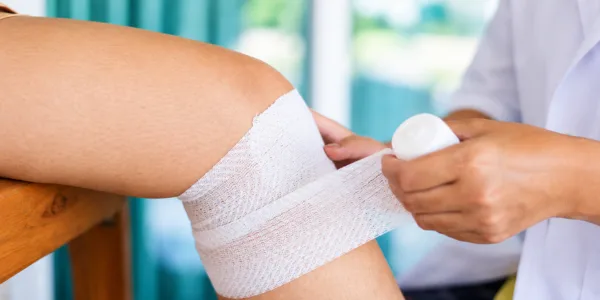
Modern treatment for a meniscus injury aims to keep as much healthy tissue intact as possible. Doctors focus on reducing symptoms and stopping arthritis from developing. To treat it, you can rest your knee, use ice, apply compression, and keep it elevated. This is known as the RICE method. Medications to reduce inflammation and physical therapy are also common options. Wearing a knee brace for a meniscus injury can help support your knee while it heals and protect it during movement.
For wear-and-tear tears, especially in people over 40 or with arthritis, physiotherapy is usually tried first, as studies show it often works as well as surgery. If these basic treatments don’t work, or the knee locks or gives way, surgery might be the next step.
The ideal knee brace for meniscus tears depends on the type of injury and how active someone is. Some braces are simple compression sleeves, while others are sturdier, like hinged braces offering more stability.
Does a Medial Meniscus Tear Heal on Its Own?
It depends on where the tear is. The outer edge of the meniscus has a blood supply (the “red zone”), so small tears there can heal with rest and physiotherapy. The inner part (the “white zone”) has little blood supply, so tears there don’t heal on their own.
Many medial meniscus tears, especially wear-and-tear tears, still become painless with physiotherapy over 6–12 weeks, even if the tear remains on MRI.
Best Knee Brace for Meniscus Tear
The ideal knee brace for a meniscus tear depends on the type of injury and how active you are:
- Compression sleeve: For mild tears, to reduce swelling and give support during daily activities
- Hinged knee brace: For moderate tears or knee instability, to control side-to-side movement
- Post-surgery locked brace: Used after meniscal repair to limit bending while the repair heals
- Unloader brace: For people with a meniscus tear and osteoarthritis on one side of the knee, to shift pressure away from the damaged area
A brace supports the knee but doesn’t heal the tear. Use it along with physiotherapy and ask your orthopedic doctor which type suits you.
Meniscus Tear Surgery Recovery Time
Recovery depends on the type of surgery:
| Surgery | What It Involves | Walking | Return to Work | Return to Sports |
|---|---|---|---|---|
| Partial meniscectomy | Trimming the torn part | Within 1–2 days | 1–2 weeks (desk job) | 4–6 weeks |
| Meniscal repair | Stitching the tear | Crutches and brace for 4–6 weeks | 2–6 weeks, depending on the job | 4–6 month |
Physiotherapy is key to recovery after both surgeries. Meniscal repair takes longer, but it saves the meniscus and better protects the knee from arthritis in the long run.
Expert Care with Advanced Medical Excellence
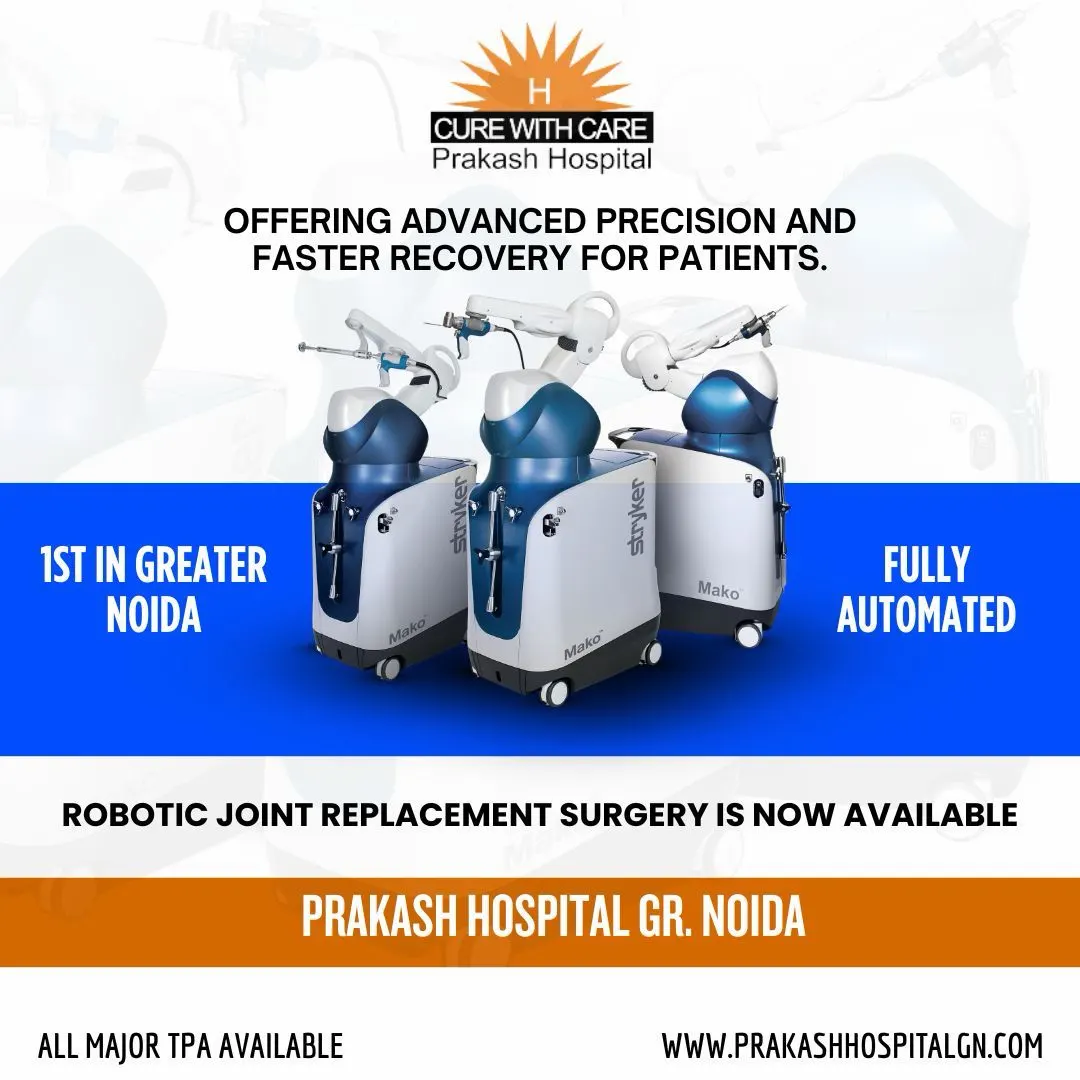
Prakash Hospital is a trusted best multispeciality hospital in noida providing excellent orthopedic treatments led by the skilled Dr. V S Chauhan. They bring together modern medical technology and tailored patient attention to deliver effective results in treating arthritis and meniscus injuries. The hospital offers a clean, well-equipped environment and a supportive team creating a comfortable place to recover.
The specialist focuses on treating meniscus issues by relieving pain and protecting the joint for the future. With deep knowledge of joint replacement and sports injury cases, they are well-suited to handle complex conditions like meniscus tears and arthritis. The hospital has a dedicated team of physical therapists, pain experts, and rehab specialists working together to help patients recover effectively.
Case Study: Patient Experience and Recovery Journey
A 35-year-old software professional from Greater Noida hurt his meniscus while playing cricket during the weekend. Believing it was a small injury, he kept working, but over a few weeks, the pain and swelling grew worse. He went to Dr. V S Chauhan, who ordered an MRI that found a serious tear needing surgery.
The doctor explained my condition and the possible treatments in detail. I felt at ease and trusted the care,” the patient said. After undergoing arthroscopic meniscal repair, he followed a planned rehab program. Six months later, he was back to playing sports without any restrictions. “The surgery turned out great… the surgeon is skilled and truly looks after patients,” he added, highlighting how crucial timely action and professional care are.
Meniscus Injury Statistics and Recovery Data
| Aspect | Data |
| Annual Incidence | 61 per 100,000 people |
| Peak Age for Degenerative Tears | 40-60 years |
| Success Rate of Meniscal Repair | 85-90% |
| Average Recovery Time (Conservative) | 6-8 weeks |
| Average Recovery Time (Surgical) | 3-6 months |
| Risk of Arthritis (Untreated) | 70-80% within 10 years |
| Risk of Arthritis (After Repair) | 15-25% within 10 years |
Frequently Asked Questions
Q: How long does it take to recover from a meniscus knee injury?
A: Recovery time for a meniscus knee injury depends on how severe the injury is and the type of treatment. If treated without surgery, the healing process might take around 6 to 8 weeks. With surgery, it could be 3 to 6 months before full recovery happens.
Q: Is it possible for a meniscus tear to heal without surgery?
A: Small tears on the outer edge of the meniscus can heal because that area has a good blood supply. Tears in the inner part don’t heal on their own, but many still don’t need surgery. Symptoms often settle with physiotherapy. Surgery is needed mainly when the knee locks, gives way, or pain doesn’t improve.
Q: What should I not do if I have a meniscus tear?
A: Do not do any twisting, pivoting deep squats, or intense activities until your orthopedic surgeon says it’s safe. During recovery, try low-impact exercises such as cycling or swimming.
Q: What steps can I take to avoid meniscus tears?
A: Keep your leg muscles strong, practice proper techniques in sports, choose the right shoes, and avoid making sudden increases in how hard you exercise.
Q: Leg or knee pain: which doctor to consult, and when?
A: See an orthopedic doctor (bone and joint specialist) for knee pain after an injury, swelling, locking, or instability. For knee pain with swelling in many joints, a rheumatologist may also be involved. See a doctor right away if your knee is locked and can’t straighten.
Q: Can you walk with a torn meniscus?
Yes, most people can walk with a torn meniscus, though it may be painful or swollen. If your knee locks, can’t straighten, or can’t take weight, see a doctor urgently.
Q: Does a medial meniscus tear heal on its own?
Small tears on the outer edge can heal. Tears in the inner part usually don’t heal, but symptoms often improve with physiotherapy without surgery.
Q: What is the best knee brace for a meniscus tear?
A compression sleeve works for mild tears, while a hinged brace suits moderate tears or instability. After meniscal repair, a locked post-surgery brace is used. Ask your doctor which is right for you.
Q: What is the recovery time for meniscus tear surgery?
After partial meniscectomy, most people recover in 4–6 weeks. After meniscal repair, full recovery and return to sports take about 4–6 months.
Q: Is the lateral meniscus inside or outside of the knee?
The lateral meniscus is on the outside of the knee. The medial meniscus is on the inside.
Q: Why does my knee hurt when I bend it?
Common causes include a meniscus tear, osteoarthritis, kneecap pain, tendinitis, or a Baker’s cyst. If the pain lasts more than 2–3 weeks or comes with swelling or locking, see an orthopedic doctor.
How to Protect Your Meniscus and Knees for the Long Run
Protecting your knees over the long term means taking active steps through treatment, lifestyle changes, and regular care. Strengthening exercises that target the quadriceps and hamstrings can make the knee joint stronger and help lower the chances of injuries. Keeping a healthy weight takes pressure off the knees, and eating the right foods helps keep cartilage healthy and fights inflammation.
To treat meniscus injuries working with skilled professionals like Dr. V S Chauhan can give you access to new treatments and tailored care plans. Getting quality medical help, following proper rehab routines, and learning how to care for your knees offer a solid way to stay healthy and avoid arthritis.
Acting quickly when meniscus issues start can mean the difference between recovering and dealing with lasting problems. If your knee hurts or you think you might have a meniscus injury, take action now. Book an appointment with an experienced orthopedic doctor in Greater Noida to keep your knees healthy in the long run.

- Reasons for Dry Skin - October 10, 2026
- Hyperpigmentation Vitamin B12 Deficiency - October 6, 2026
- Forehead Pimples Reason - October 3, 2026