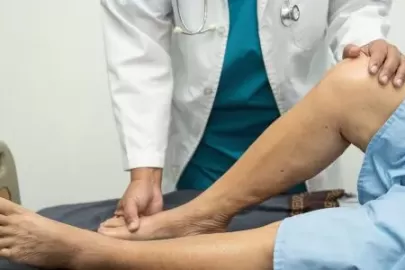
Is Skin Discoloration Normal After Fracture Surgery?
If you or a loved one has recently undergone fracture surgery and noticed unexpected changes in skin color — from dark purple bruising to yellowish patches or even brownish spots — you are not alone. Skin discoloration after fracture surgery is one of the most common concerns
patients bring to their orthopedic doctor during recovery. The good news is that most of these changes are completely normal and are a natural part of the healing process. In this comprehensive guide, we explain exactly why skin color changes after fracture treatment services what the healing timeline looks like, which warning signs require immediate medical attention, and how to care for your skin during recovery. This information comes directly from the orthopedic experts at Prakash Hospital, a trusted bone and joint care hospital in Greater Noida.
Table of Contents
Is skin discoloration normal What Causes Skin Discoloration After Fracture Surgery?
Skin color changes can occur after fracture surgery for several well-understood reasons. Understanding each cause helps reduce unnecessary worry and helps you identify anything that looks truly abnormal.
1. Bruising (Ecchymosis) — The Most Common Cause
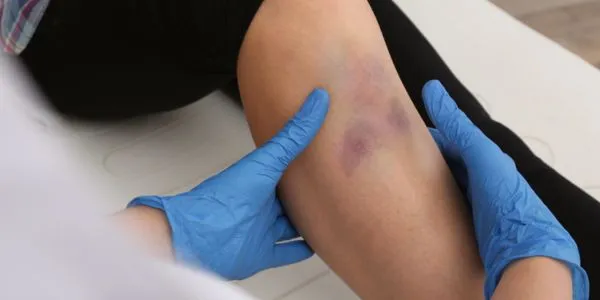
Bruising is by far the most frequently seen cause of skin discoloration after fracture surgery. When blood vessels are damaged during the procedure, blood escapes into the surrounding tissues and becomes trapped under the skin. This pooled blood creates the purplish or bluish spots you see, which gradually change color as the body breaks down and reabsorbs the blood cells. This is called ecchymosis and is entirely expected after orthopedic surgery.
2. Post-Inflammatory Hyperpigmentation (PIH)
When the skin experiences significant inflammation — as it does during and after surgery — the body can overproduce melanin (the pigment that gives skin its color). This results in brown, tan, or grayish patches near the surgical site. Patients with darker skin tones (Fitzpatrick types III to VI) are more prone to PIH and may notice these patches persisting longer than lighter-skinned patients.
3. Metallosis from Implants
In some cases involving metal implants, tiny metallic particles can spread into the surrounding tissue, causing a grayish or dark discoloration near the implant site. This is known as metallosis and is more common with certain types of metal prosthetics. If you notice this type of discoloration alongside joint pain or swelling, inform your orthopedic surgeon.
4. Medication-Induced Discoloration
Certain medications given during or after surgery — particularly some antibiotics like minocycline — can cause changes in skin pigmentation as a side effect. This is relatively uncommon (occurring in roughly 0.08% of cases) but worth noting if you develop discoloration in areas beyond the surgical site.
5. Orange or Rust-Colored Staining from Surgical Antiseptics
If you’ve noticed an orange or brownish-orange tint on your foot, fingers, or around the surgical site, this is very often residual staining from povidone-iodine (Betadine) or similar antiseptic solutions used to sterilize the skin before surgery. This staining sits on the surface of the skin rather than in the tissue underneath, and it typically fades within a few days with normal washing, once your doctor confirms the wound can get gentle exposure to water. It is not a sign of poor healing. If the orange or discolored area is instead accompanied by swelling, warmth, or pain — rather than just a surface stain — mention it to your orthopedic doctor to rule out other causes.
Skin Discoloration Healing Timeline: What to Expect Week by Week
One of the most reassuring things to know is that skin discoloration after fracture surgery follows a predictable pattern. Here is what the typical healing timeline looks like:
- Days 1–2: Reddish or purplish tone appears near the surgical site
- Days 2–5: Color deepens to a dark blue or purple shade as blood pools
- Days 5–7: Colour begins shifting to a greenish hue as the body breaks down blood
- Days 7–10: Yellowish-brown tint appears as healing progresses
- Days 10–14+: Skin gradually lightens back toward its natural color
- Weeks 3–4: Most bruising fully fades in healthy, average-age patients
- Months 2–4: PIH patches in darker skin tones may take this long to fully resolve
Healing speed varies based on your age, overall health, blood-thinning medications, and the complexity of the surgery. Do not compare your timeline to someone else’s — every patient heals differently.
Why Do I Look Pale After Surgery? Is It Normal?
Many patients notice they look paler than usual in the days immediately following fracture surgery, and this is a separate concern from the bruising discoloration discussed above. Generalized pallor — feeling and looking paler in your face or overall skin tone — is commonly linked to a temporary drop in blood pressure from anesthesia, mild blood loss during surgery, dehydration, or simply reduced activity and appetite in the first 24–48 hours. In most patients, this fades naturally within a few days as fluids, appetite, and activity levels return to normal.
This is different from localized pale-white patches at the surgical or fracture site itself, which — as noted in the comparison table above — can be a sign of poor blood supply to the limb and should be evaluated urgently, especially if accompanied by numbness, coldness, or severe pain.
If your general paleness is accompanied by dizziness, rapid heartbeat, unusual fatigue, or shortness of breath, mention this to your care team, as it may need a quick check of your blood counts or hydration status.
Normal vs. Abnormal Discoloration: Complete Comparison
Use this table as a quick reference to understand whether what you are seeing is a normal part of recovery or something that needs urgent medical evaluation:
| Characteristic | Normal Discoloration | Abnormal (See Doctor Immediately) |
| Color | Red, purple, blue, green, yellow, brown — changes over days | Pale white, dark black patches, or bright red streaks spreading outward |
| Pattern | Stays near surgical area; may track downward with gravity | Rapidly spreading far beyond the surgical site |
| Timing | Appears within 1-3 days; gradually shifts color over 2 weeks | Sudden new discoloration after initial recovery period |
| Associated Symptoms | Mild swelling, mild tenderness — manageable | Severe pain, excessive warmth, fever, or discharge from wound |
| Skin Sensation | Normal feeling in surrounding skin area | Numbness, tingling, burning, or complete loss of sensation |
| Skin Temperature | Normal or slightly warm to touch | Unusually cold, or extremely hot skin |
| Duration | Gradually improves over 2 to 4 weeks | Persists or worsens beyond 4 weeks with no improvement |
Discoloration by Surgery Site: Knee, Wrist, Foot, and Ankle
The pattern and extent of discoloration after fracture surgery can vary depending on which part of the body was operated on:
- Knee surgery: The knee has more soft tissue and joint space, so bruising can appear more pronounced and may spread further down the shin due to gravity.
- Wrist and hand surgery: Because the wrist has less soft tissue, discoloration often appears more concentrated and may extend into the fingers, sometimes making individual fingers look darker or duskier for a few days.
- Foot and ankle surgery: Bruising here commonly tracks downward toward the toes and can make the foot look significantly darker than the other foot, purely due to gravity pooling blood in the lower part of the limb.
Is it normal for one leg (or arm) to look darker than the other? Yes, in most cases. Since blood naturally pools in the lowest part of the operated limb, it’s common for the operated leg or arm to appear noticeably darker or more discolored than the unaffected side in the first 1–2 weeks. This should still follow the same gradual color-fading pattern described in the healing timeline above; discoloration that keeps getting worse rather than fading, or that comes with pain, coldness, or numbness, needs prompt evaluation.
When to See a Doctor Immediately
While most skin discoloration is harmless, certain signs indicate a potentially serious complication that requires urgent medical attention. emergency orthopedic care or visit Prakash Hospital’s emergency department right away if you notice any of the following:
- Pale white or dark black patches that do not shift color over time
- Discoloration spreading rapidly and widely beyond the surgical area
- Red streaks radiating outward from the wound (sign of infection)
- Skin color changes accompanied by severe, worsening pain
- High fever along with discoloration and swelling
- Wound discharge or an unpleasant smell from the surgical site
- Skin that feels unusually cold or completely numb around the area
- Loss of movement or function in the affected limb
| Important Medical Note Pale white skin combined with severe pain, numbness, or loss of sensation may indicate compartment syndrome — a medical emergency. Do not wait. Seek emergency care immediately if these symptoms appear together. |
Treatment Options for Post-Surgery Skin Discoloration
In most cases, skin discoloration after fracture surgery resolves naturally without any specific treatment. However, if discoloration persists or causes concern, the following options are available:
Professional Treatments (Consult Your Doctor First)
- Topical creams containing hydroquinone, retinoids, or azelaic acid for persistent PIH
- Chemical skin peels to address stubborn surface pigmentation
- Laser therapy for deeper discoloration that does not respond to creams
- Review of current medications to check for drug-induced pigmentation
Safe At-Home Care During Recovery
- Apply cold compresses (not directly on skin — wrap in cloth) within the first 48 hours to limit bruising
- Keep the operated limb elevated above heart level to reduce swelling and discoloration
- Protect healing skin from direct sunlight — UV exposure worsens hyperpigmentation significantly
- Apply SPF 30+ sunscreen on any exposed healing skin once the wound is fully closed
- After doctor approval, gently massage the area to help improve circulation and clear bruising
- Consider Vitamin K creams, which some studies suggest may help bruises resolve faster
- Eat a balanced diet rich in Vitamin C, zinc, and protein to support skin and tissue repair
The Role of Bone Health in Skin Recovery
Strong, healthy bones are not just about faster fracture healing — they also play a direct role in how quickly the surrounding skin and soft tissues recover. When bones heal efficiently, inflammation subsides sooner, meaning skin discoloration clears up faster too. Supporting importance of healthy bones during recovery is therefore directly linked to better cosmetic outcomes at the surgical site.
Nutrition Tips to Strengthen Bones During Recovery
- Calcium: Found in dairy products, leafy greens (spinach, kale), and fortified plant-based milks
- Vitamin D: Sunlight exposure, fatty fish (salmon, sardines), and supplements if recommended by your doctor
- Protein: Eggs, lean meat, legumes, and dairy — essential for tissue repair after surgery
- Vitamin C: Citrus fruits, bell peppers, and berries — critical for collagen production
- Zinc and Magnesium: Nuts, seeds, whole grains — support cellular healing and bone metabolism
Lifestyle Tips
- Avoid smoking — it significantly reduces blood circulation and delays healing
- Limit alcohol consumption, which impairs both bone repair and immune function
- Follow your physiotherapist’s exercise plan — gentle movement improves circulation and reduces stagnant bruising
- Maintain a healthy body weight to reduce mechanical stress on healing bones
Patient Case Study: Ankle Fracture Recovery at Prakash Hospital
| Case Study — 45-Year-Old Male, Ankle Fracture Surgery Patient: Arif, 45 years old, residing in Noida Procedure: Open reduction internal fixation (ORIF) for a complex ankle fracture at Prakash Hospital, Greater Noida Concern: Two weeks post-surgery, Arif noticed his entire lower leg — from ankle to mid-calf — had turned purple and yellow. He was worried something had gone wrong. Assessment: The orthopedic team at Prakash Hospital examined him and confirmed that the discoloration was simply normal bruising that had tracked downward due to gravity. All other healing indicators were positive, with no signs of infection or circulatory problems. Management: Arif was advised to continue elevating his leg, use cold compresses, and continue physiotherapy exercises. Outcome: By week 6, the discoloration had almost entirely cleared. By month 3, Arif had returned to his full daily routine with complete bone healing confirmed on X-ray. Patient Feedback: ‘I panicked when I saw all that bruising. The team at Prakash Hospital explained everything patiently and reassured me completely. Their guidance throughout recovery made a real difference.’ |
Frequently Asked Questions
Q1. Is it normal to look pale after surgery?
yes, generalized pallor from anesthesia/blood loss is common and usually resolves in a few days; localized pale-white patches at the wound are different and need urgent evaluation.
Q2. Why is my foot or fingers orange after surgery?
Yes, to some extent. Elevating the affected limb reduces pooling of blood in the tissues. Applying cold compresses within the first 48 hours limits initial bruising. Protecting the area from sun exposure prevents hyperpigmentation from worsening. Gentle massage — only after your doctor gives clearance — can help disperse trapped blood under the skin. A nutritious diet supports faster overall healing.
Q3. Does heavy bruising mean something went wrong during surgery?
Not necessarily. The extent of bruising depends on many factors including the complexity of the surgery, the number and size of blood vessels disrupted, the patient’s age, skin type, and whether blood-thinning medications are being used. Heavy bruising on its own, without other symptoms like severe pain, fever, or loss of sensation, is generally considered a normal variation in healing and does not indicate a surgical complication.
Q4. What skin color changes should I call my doctor about immediately?
Contact your doctor without delay if you notice pale white or dark black patches, bright red streaks spreading from the wound, discoloration spreading rapidly beyond the surgical area, or any skin color change accompanied by severe pain, numbness, fever, discharge, or a cold-feeling limb. These may indicate serious complications such as infection, vascular compromise, or compartment syndrome.
Q5. Will the skin color ever fully return to normal after fracture surgery?
In the vast majority of cases, yes — the skin returns to its normal color completely. The exception is patients with darker skin tones who may experience longer-lasting hyperpigmentation, particularly if the healing skin is exposed to sunlight without protection. Consistent use of sunscreen and, if needed, topical brightening agents prescribed by a dermatologist can help restore even skin tone.
Q6. Is skin discoloration normal the same as an infection?
No. Normal post-surgical bruising (discoloration) does not involve warmth, fever, pus, or spreading redness in streaks. Infection typically presents with these additional symptoms and usually develops a few days after surgery rather than immediately. If you are unsure, always consult your doctor — it is better to get checked and be reassured than to wait on a potentially serious complication.
Why Choose Prakash Hospital for Orthopedic Care in Greater Noida?
Recovery from fracture surgery is not just about the procedure itself — it requires expert follow-up, patient education, and personalized post-operative care. At Prakash Hospital, Greater Noida, patients receive:
- Comprehensive orthopedic care from initial consultation through complete recovery and rehabilitation
- Advanced diagnostic tools to accurately distinguish normal healing signs from potential complications
- Expert orthopedic surgeons specializing in complex fracture fixation and joint replacement
- Individualized recovery plans tailored to each patient’s age, health condition, and lifestyle
- Transparent communication — your doctors explain every step of your recovery in language you understand
- 24×7 emergency availability for any post-surgical concerns that arise at any hour
| Book a Consultation If post-surgery skin changes are concerning you, or if you need expert orthopedic care in Greater Noida, contact Prakash Hospital today. Phone: (+91) 9810904081 Location: Plot No 9A, Sector Omega 1, Greater Noida, Uttar Pradesh 201310 Website: prakashhospitalgn.com Available 24 x 7 for emergencies. |
Conclusion
Skin discoloration after fracture surgery — whether it appears as purple bruising, yellowish patches, or longer-lasting brown pigmentation — is a normal and expected part of the healing journey for the vast majority of patients. By understanding what causes these changes, following the expected timeline, and knowing which warning signs require urgent attention, patients can recover with confidence rather than anxiety.
Strong bone health, good nutrition, sun protection, and regular follow-up with your orthopedic surgeon all play important roles in how quickly the skin returns to its normal appearance alongside the underlying fracture healing.
If you are ever unsure whether what you are experiencing is normal, the orthopedic team at Prakash Hospital in Greater Noida is always available to guide you. Your recovery matters — every step of the way.

- Pain in Back of Thigh - September 21, 2026
- Ligament Injury Treatment - September 16, 2026
- Epilepsy Specialist - September 4, 2026