Understanding Knee Replacement Recovery
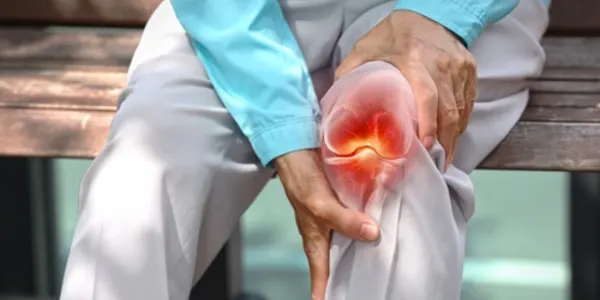
Knee replacement Recovery can transform life for anyone living with constant knee pain. Even so, recovery takes time and close attention to healing progress. Knowing what’s typical during recovery helps patients spot problems early. Pain and swelling after knee replacement are normal parts of healing, but knowing how long they should last helps you spot when something isn’t right. Unusual symptoms may need a doctor’s opinion right away.
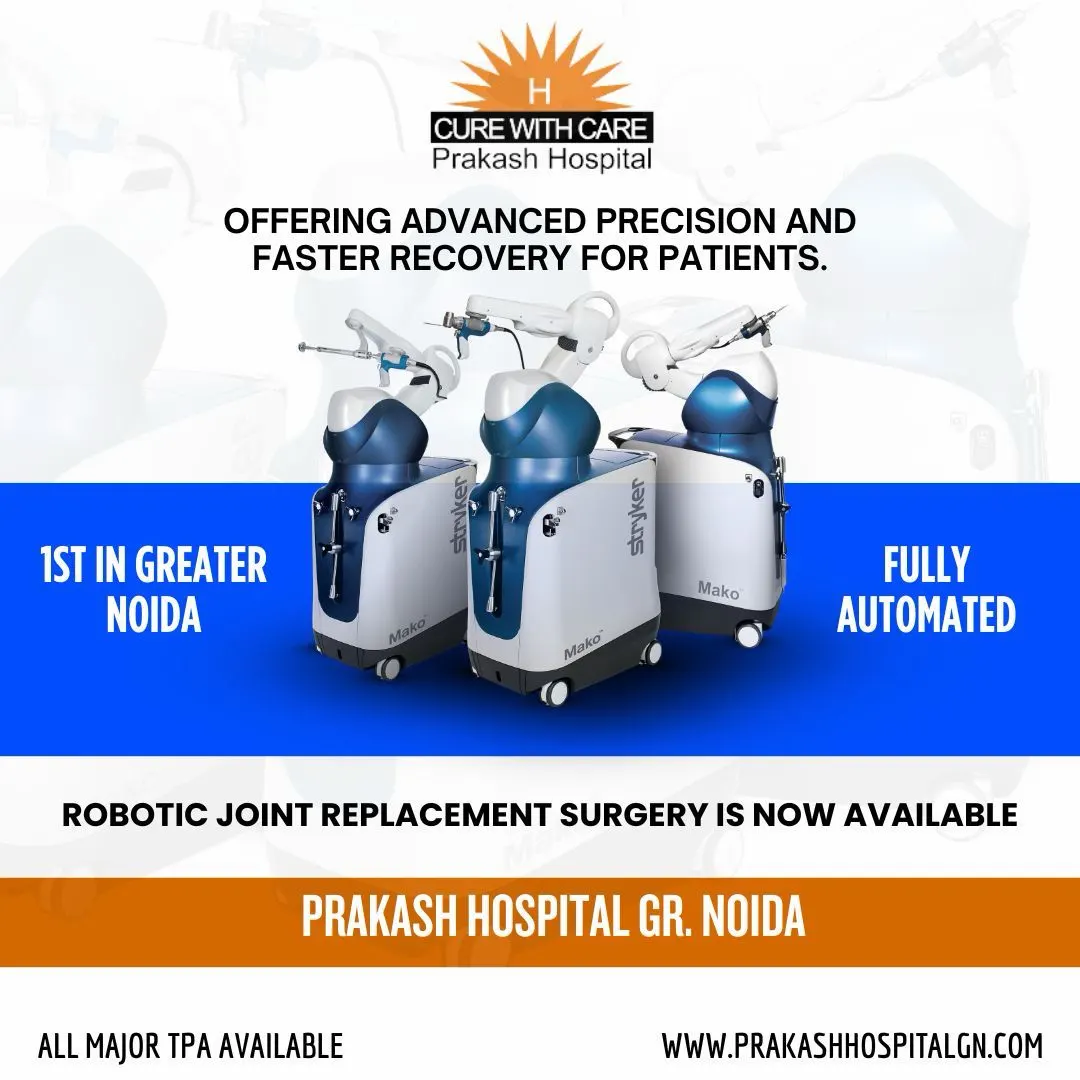
At Prakash Hospital in Greater Noida, Dr. Mayank Chauhan and his team focus on joint replacement surgeries along with care after the procedure. This guide helps patients know the difference between common recovery symptoms and signs that mean they should see an orthopedic doctor in Greater Noida.
Table of Contents
Normal Symptoms After Knee Replacement
Knee replacement Recovery includes gaining movement and seeing swelling go down. In the first few weeks most patients notice:
- Pain that starts to ease as the days pass
- Swelling around the knee area
- Bruises that fade in about 1 to 2 weeks
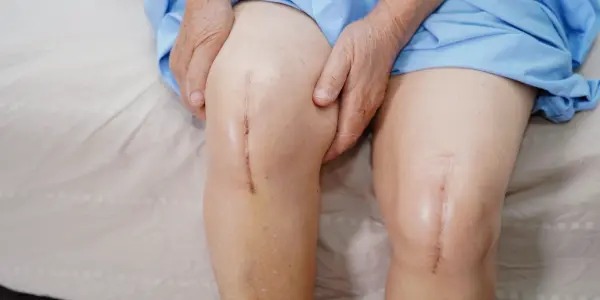
- Slight redness close to where the surgery happened
- Sounds like clicking or popping when moving the joint
- The knee feeling warm to touch for several months
- Numbness on the outer side of the scar (often permanent but harmless)
- Stiffness in the morning or after sitting for long
- Mild swelling in the ankle and foot, especially by evening
- Trouble sleeping for the first few weeks
Many patients notice major improvement in knee function during the first three months of recovery after knee replacement. Physical therapy helps build strength and regain movement. Complete healing takes anywhere between 3 to 12 months, but most people get back to lighter tasks in around 6 to 12 weeks.
How Long Does Pain Last After Knee Replacement?
Knee pain after total knee replacement surgery improves step by step. Here’s what most patients experience:
| Time After Surgery | What Pain Usually Feels Like |
|---|---|
| Days 1–3 | Strongest pain, controlled with hospital pain medicines |
| Weeks 1–2 | Pain mainly during exercises and at night; needs regular painkillers |
| Weeks 3–6 | Pain steadily reduces; most people cut down painkillers |
| Weeks 6–12 | Mild pain, mainly after activity or physiotherapy |
| 3–6 months | Most pain is gone; occasional aches with long walks or stairs |
| 6–12 months | Knee continues to settle; mild stiffness or aches in some people |
So, after Knee replacement Recovery surgery, how long does the pain last? For most people, the main pain settles within 3 months, and the knee keeps improving for up to a year. A small number of patients have pain that lasts longer. If your pain isn’t improving, speak to your surgeon.
When Knee Pain After Total Knee Replacement Is NOT Normal
Some level of pain is normal, but specific pain patterns may point to serious issues:
Signs to Watch Out for Unusual Pain After Knee Replacement
- Ongoing or Worsening Pain: Pain that does not get better or feels worse over time.
- Sharp Pain With Movement: Clicking alone is normal, but sharp pain with clicking, or a feeling that the knee is giving way, needs a check-up.
- Intense Night Pain: Pain that interrupts sleep even with medication.
- Pain Combined with Warmth and Redness: when these symptoms go beyond the surgery area.
- Sudden New Pain: More concerning after there had been signs of improvement before.
You should reach out to a skilled orthopedic doctor in Greater Noida if unusual pain shows up after knee surgery. Acting early can help avoid bigger issues and support proper healing.
Why Does Knee Pain Continue After Total Knee Replacement?
If knee pain lasts beyond 3–6 months, your doctor may check for:
- Stiffness (scar tissue): The knee doesn’t bend or straighten well, often when physiotherapy was missed
- Infection: Pain with warmth, swelling, or wound problems, even months after surgery
- Loosening or instability of the implant: The knee feels wobbly or gives way
- Kneecap problems: Pain at the front of the knee on stairs or when getting up
- Nerve irritation: Burning or tingling pain around the scar
- Pain from elsewhere: Hip or back problems can cause pain felt in the knee
Most of these can be treated once the cause is found, so don’t ignore pain that isn’t improving.
How Long Does Swelling Last After Knee Replacement?
Knee swelling after surgery is a normal part of healing. Here’s what to expect:
| Time After Surgery | What Swelling Usually Looks Like |
|---|---|
| Days 1–7 | Swelling increases and peaks around days 2–5 |
| Weeks 1–3 | Swelling is still noticeable, especially after walking or physiotherapy |
| Weeks 4–12 | Swelling goes down significantly; may increase after a busy day |
| 3–6 months | Mild swelling, mainly by evening or after activity |
| Up to 12 months | Slight swelling may come and go as the knee finishes healing |
So, how long does it take for swelling to go down after knee replacement? Most swelling settles by 6–12 weeks, but mild swelling after total knee replacement can last 3–6 months, and sometimes up to a year. It’s normal for swelling to increase slightly after a more active day.
Swelling in Legs, Ankles and Feet After Knee Replacement Surgery
Swelling in the legs after knee replacement surgery is common. Fluid from the knee moves down with gravity, so the shin, ankle, and foot of the operated leg may swell, especially by evening. This usually improves overnight or when you raise your leg.
It’s not normal if:
- The calf is painful, tender, hard, or red (possible blood clot)
- The other (non-operated) leg also swells a lot
- Swelling comes with breathlessness or chest pain. Seek emergency care immediately.
Inflammation After Knee Replacement: Why Your Knee Feels Warm
Inflammation after knee replacement is the body’s natural healing response. It causes the knee to feel warm, look slightly swollen, and feel stiff. This warmth can last several months and is normal. Warmth that is new, increasing, or comes with redness, fever, or wound drainage may be a sign of infection and needs a doctor’s check-up.
When Knee Swelling After Knee Replacement Is NOT Normal
Healing often involves some swelling, but when swelling goes beyond the expected, it should not be ignored.
Spotting Unusual Swelling After Knee Surgery
- Severe Swelling: Swelling stays large and does not get better with ice or raising the leg
- Painful Calf Swelling: Mild ankle and foot swelling is normal, but a swollen, tender, tight, or red calf may mean a blood clot.
- Warm and Red Swelling: If the area feels hot and turns red along with the swelling
- Swelling Gets Worse: Especially if it happens suddenly after some improvement
- Sudden One-Sided Swelling: The operated leg is usually more swollen, but sudden new swelling of the whole leg, or swelling in the other leg, needs a check-up.
Call emergency services immediately if leg swelling comes with chest pain or sudden breathlessness, as a blood clot may have moved to the lungs.
How to Reduce Pain and Swelling After Knee Replacement
- Ice: Apply an ice pack, wrapped in a cloth, for 15–20 minutes several times a day, especially after exercises.
- Elevation: Lie down with your leg raised above heart level (“toes above nose”) for 20–30 minutes a few times a day. Keep the knee straight, and don’t place a pillow under the knee.
- Ankle pumps: Move your foot up and down often to improve blood flow and reduce leg swelling.
- Compression: Wear compression stockings if your doctor advises.
- Pace yourself: Walk little and often rather than doing too much in one day.
- Take medicines on time: Take painkillers before physiotherapy so you can exercise properly.
- Keep up physiotherapy: Regular exercise reduces stiffness and long-term pain.
If you see unusual swelling around your knee after replacement surgery that spreads to your calf, call your doctor right away. These signs might point to major issues like blood clots or an infection. Getting quick care at a well-equipped orthopedic hospital in Greater Noida can be crucial to get the right treatment on time.
Knee Replacement Recovery Timeline: Pain and Swelling Week by Week
Knowing the usual recovery timeline can help patients notice if their healing process is off track:
| Recovery Phase | Normal Symptoms (existing) | Normal Symptoms (updated) |
|---|---|---|
| Advanced Phase (3–12 months) | Occasional discomfort, increasing strength | Occasional discomfort, mild swelling after activity, knee may still feel warm, increasing strength |
Recovering from knee replacement surgery takes between 3 months and a year. Healing time can depend on things like age and health. Sticking to the doctor’s recovery steps helps speed up recovery and improves results.
Understanding Surgery Expenses
Knee replacement surgery costs in Greater Noida depend on the implant type and the hospital’s services. Prakash Hospital provides knee replacement surgery with complete care before and after the operation.
What Affects the Cost of Knee Replacement Surgery?
- Implant Type: Basic materials or high-end options
- Surgical Method: Regular method or less invasive approach
- Hospital Stay: usually 2–4 days
- Tests Before Surgery: Includes scans and lab work
- Care After Surgery: Includes therapy sessions and follow-ups
Knowing the cost of knee replacement surgery helps people prepare for medical expenses better. Many insurance policies cover this procedure, and Prakash Hospital provides different payment plans to keep treatment within reach
Patient Case Study
Mrs. Sunita Sharma Recovery Journey
Mrs. Sharma, who is 65 and lives in Noida, had a total knee replacement at Prakash Hospital. Things were going well during her recovery until the third week when her knee became warmer and more swollen than before.
Instead of ignoring these changes and assuming they were normal, she contacted the hospital. Doctors found early signs of an infection during her check-up. Because she acted fast and the hospital responded promptly, they treated the infection before it caused any big problems.
“I wasn’t sure at first if I should tell the doctor about my swelling. I thought maybe it was just normal. But I remembered the warning signs they talked about when I was discharged, and that may have saved my knee replacement,” Mrs. Sunita Sharma shares.
Now, a year after her surgery, Mrs. Sunita Sharma walks without pain and spends her time gardening again, something she missed. Her story shows how noticing unusual symptoms and getting medical help can make a difference.
Comprehensive Orthopedic Care
To recover well from knee replacement, picking an experienced orthopedic hospital in Greater Noida matters. Prakash Hospital is a trusted orthopedic hospital in the area offering modern facilities. They provide a range of orthopedic services, including joint replacements and surgeries for fractures.
Expertise in Fracture Surgery and Joint Replacements
Skills developed in performing skin changes after fracture surgery play a key role in improving outcomes during complicated knee replacement surgeries. The orthopedic department offers specialized expertise in both procedures:
- Modern imaging tools to diagnose issues
- High-tech surgery centers
- Full recovery programs for patients
- Skilled experts in orthopedic care
To heal better after surgery, patients need to choose an orthopedic doctor in Greater Noida with a focus on joint replacements. Picking the right expert in Greater Noida matters for proper knee replacement recovery.
Conclusion
It is important to know the difference between usual recovery symptoms and signs that something might be wrong after knee replacement. Pain and swelling after knee replacement are expected, but spotting unusual symptoms helps avoid serious issues. Prakash Hospital offers full care with skilled orthopedic experts guiding patients through every recovery step.
Reaching out to a doctor after knee replacement can stop bigger problems before they start. Talk to an experienced orthopedic doctor in Greater Noida if you notice unusual symptoms or are thinking about joint replacement surgery. Acting early helps recovery go well and makes the knee replacement last longer.
FAQs
Q: How long does swelling last after knee replacement?
A: Swelling is usually worst in the first 1–2 weeks, improves a lot by 6–12 weeks, and mild swelling can last 3–6 months, sometimes up to a year. If swelling gets worse, doesn’t improve with elevation, or comes with warmth, redness, or calf pain, see a doctor.
Q: When should I contact the doctor after knee replacement surgery?
A: Call your doctor if you have a fever over 100.4°F (38°C), worsening pain even after taking medication, too much swelling, drainage from the wound, or pain in your calf. For trouble breathing or chest pain, seek emergency care immediately.
Q: What can reduce pain and swelling after knee replacement?
A: Techniques like resting, keeping the leg elevated, icing, and compression work to lower swelling and discomfort. Pain medicines from your doctor and staying on track with physical therapy also help.
Q: How can I tell if my knee replacement has an infection?
A: Signs of an infection after knee replacement surgery can include warmth around the knee, redness, or fluid coming from the incision. A fever or worsening pain can also point to an infection and should be checked out right away.
Q: How long until I can get back to usual activities after knee replacement?
A: Many people can start doing light tasks in about 6 weeks. Driving is often possible after 4 to 6 weeks. Low-impact hobbies or sports can be done again after 3 months. Full healing can take anywhere from 6 months to a year.
Q: How long does pain last after knee replacement?
Most pain improves a lot within 6–12 weeks and is mostly gone by 3 months. Mild aches can continue for up to a year as the knee fully heals.
Q: How long does it take for swelling to go down after knee replacement?
Most swelling goes down by 6–12 weeks. Mild swelling can come and go for 3–6 months, and sometimes up to a year, especially after activity.
Q: Is swelling in the legs normal after knee replacement surgery?
Yes. Mild swelling in the shin, ankle, and foot of the operated leg is common because of gravity. See a doctor if the calf is painful, red, or hard, or if both legs swell a lot.
Q: Why is my knee still warm months after knee replacement?
Warmth is part of normal healing and can last several months. See a doctor if the warmth is new or increasing, or comes with redness, fever, or wound drainage.
Q: What symptoms after knee replacement are normal?
Pain that improves over weeks, swelling, bruising, warmth, clicking sounds, stiffness, numbness near the scar, and trouble sleeping are all common in the first few months.
Q: Why does my knee still hurt after total knee replacement?
Most pain settles within 3–6 months. Pain that continues longer may be caused by stiffness, infection, implant problems, or pain coming from the hip or back. Your surgeon can find the cause.

- Reasons for Dry Skin - October 10, 2026
- Hyperpigmentation Vitamin B12 Deficiency - October 6, 2026
- Forehead Pimples Reason - October 3, 2026