
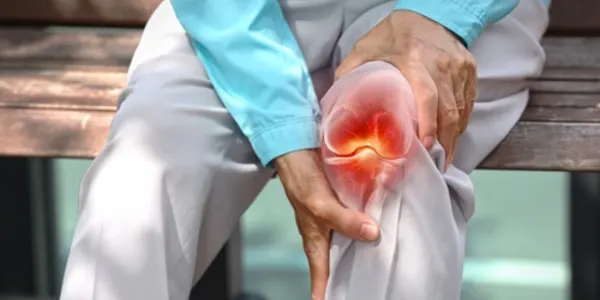
What Are the Common Signs of a Bone Fracture?
A bone fracture — more commonly called a broken bone — is one of the most frequent musculoskeletal injuries seen in emergency rooms across India. Whether it happens during a road accident, a sports activity, a simple fall at home, or as a result of an underlying condition like osteoporosis, a fracture can be a painful and frightening experience. Understanding the warning signs early is critical, because prompt bone fracture treatment can prevent complications, reduce recovery time, and restore normal function faster.
Dr. Vivek Prakash — a highly experienced bone fracture specialist — has helped thousands of patients navigate fracture injuries with compassionate, evidence-based care. Here is everything you need to know about identifying a fracture and seeking the right help.
Table of Contents
What Exactly Is a Bone Fracture? Understanding the Basics
A bone fracture occurs when a bone cracks or breaks completely due to force, repetitive stress, or disease. Contrary to popular belief, a crack and a complete break are both classified as fractures. They range from hairline (stress) fractures — tiny cracks that are easy to miss — to compound (open) fractures, where the broken bone pierces through the skin and requires emergency fracture treatment immediately.
Common types of fractures include:
- Stress fractures (caused by repetitive impact)
- Greenstick fractures (incomplete break, common in children)
- Comminuted fractures (bone shatters into multiple pieces)
- Transverse fractures (break runs straight across the bone)
- Oblique fractures (diagonal break pattern)
- Compound/open fractures (bone breaks through the skin)
7 Common Signs of a Bone Fracture You Should Never Ignore
Recognising a fracture quickly is the first step toward effective fracture care. While some fractures are immediately obvious, others — particularly stress fractures — can be subtle and easy to dismiss as a sprain or muscle soreness. Here are the most important warning signs:
1. Sudden, Severe Pain at the Injury Site
Pain is almost always the first and most prominent symptom. It tends to worsen when you move the affected area or apply pressure to it. If you have experienced a fall or impact and the pain is sharp, persistent, and localized to one area, do not dismiss it as a sprain. This is a key signal that you may need bone injury treatment without delay.
2. Visible Swelling and Tenderness
The body responds to a bone injury with inflammation. You will typically notice significant swelling around the fracture site within minutes to hours of the injury. The area will be tender to the touch, and even light pressure can feel unbearable. This swelling is your body’s natural response to internal trauma.
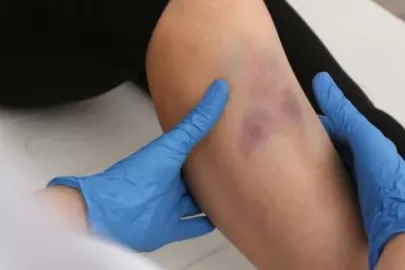
3. Bruising and Skin Discoloration
Bruising or discoloration of the skin around the injured area is another reliable indicator of a fracture. This happens because small blood vessels beneath the skin rupture when the bone breaks. The bruise may spread beyond the original injury site over a day or two.
4. Deformity or Abnormal Appearance
In more serious fractures, the affected limb or area may look visibly bent, twisted, or shorter than normal. If a bone appears to be protruding through the skin, this is a medical emergency requiring immediate emergency fracture treatment. Do not attempt to realign or splint the bone yourself — call for help immediately.
5. Inability to Bear Weight or Move the Area Normally
Difficulty or complete inability to move the affected joint, put weight on a limb, or perform normal activities is a strong sign of a fracture. For example, if you cannot walk after a fall on your ankle, or cannot grip with your hand after a wrist injury, your bone — and not just soft tissue — is very likely involved.
6. A Snapping or Cracking Sound at the Time of Injury
Many people report hearing or feeling a distinct “snap” or “crack” at the moment their bone breaks. While this sound can also occur with ligament tears, in the context of trauma it should be treated as a fracture until proven otherwise with imaging.
7. Numbness or Tingling (In Severe Cases)
Numbness, tingling, or a “pins and needles” sensation near the fracture site can indicate nerve involvement. This is more common in fractures around the spine, wrist, or elbow and warrants urgent orthopedic trauma care to prevent long-term nerve damage.
When Should You See a Doctor? Do Not Wait It Out
A common mistake people make is trying to “walk off” or ignore a suspected fracture, assuming it will heal on its own. Untreated fractures can lead to serious complications: malunion (bone heals in the wrong position), nonunion (bone fails to heal), chronic pain, arthritis, and in some cases, life-threatening infection.
Seek immediate medical attention if you notice:
- A bone visibly breaking through the skin
- Severe swelling that is rapidly worsening
- Loss of sensation or pulse in the affected limb
- High fever after a fracture (signs of infection)
- Fracture following a spinal or head injury
| Symptom | What It May Indicate | Urgency Level | Action |
| Bone visible through skin | Open (compound) fracture with infection risk | EMERGENCY | Call 112 |
| Rapid swelling + loss of pulse | Possible compartment syndrome or vascular injury | EMERGENCY | Call 112 |
| Deformity + numbness | Displaced fracture with nerve involvement | URGENT (< 2 hrs) | ER visit |
| Severe pain after fall | Possible fracture or significant bone injury | URGENT (< 6 hrs) | ER visit |
| Persistent pain + swelling | Stress fracture or non-displaced fracture | SOON (< 48 hrs) | Prakash Hospital OPD |
| Mild ache after activity | Possible hairline fracture or severe bruise | ELECTIVE | Schedule appointment |
For non-emergency fractures, it is still important to consult an orthopedic doctor for fractures within 24–48 hours to get an X-ray, accurate diagnosis, and a proper fracture management plan.
How Is a Bone Fracture Diagnosed?
Diagnosis typically involves a physical examination followed by imaging. X-rays are the most commonly used tool and can detect most fractures. In complex cases — particularly spinal fractures, stress fractures, or fractures near joints — Dr. Vivek Prakash at Prakash Hospital may recommend an MRI or CT scan for a more detailed view of the bone and surrounding soft tissue.
Effective Bone Fracture Treatment: What Are Your Options?
The right broken bone treatment depends on the type, location, and severity of the fracture, as well as the patient’s age, activity level, and overall health. At Prakash Hospital, Dr. Vivek Prakash designs a personalised fracture management plan for each patient. Here is a general overview of the available treatment approaches:
Conservative (Non-Surgical) Fracture Care
Many fractures — particularly stable, non-displaced ones — respond well to non-surgical bone injury treatment. This includes immobilisation with a cast, splint, or brace; pain management; and guided physical therapy after the initial healing phase. Fracture healing treatment through conservative means typically takes four to eight weeks depending on the bone involved.
Surgical Orthopedic Fracture Treatment
More complex fractures — such as compound fractures, severely displaced bones, or fractures affecting joint surfaces — often require surgery. Orthopedic fracture treatment may involve internal fixation (using metal rods, plates, or screws to hold bone fragments in the correct position) or external fixation (a framework outside the body that stabilises the bone). Prakash Hospital is equipped with state-of-the-art surgical infrastructure to handle even the most complex orthopedic trauma care needs.
Rehabilitation and Bone Repair Treatment
Recovery does not end when the bone heals. Effective bone repair treatment includes structured physiotherapy to restore strength, flexibility, and range of motion. Dr. Vivek Prakash works closely with rehabilitation specialists at Prakash Hospital to ensure every patient regains maximum function and gets back to daily life as safely and quickly as possible.
Why Choose Prakash Hospital for Fracture Care?
Prakash Hospital is widely regarded as one of the best orthopedic hospitals for fractures in the region. Under the leadership of Dr. Vivek Prakash, the orthopedic team brings decades of combined experience in emergency fracture treatment, complex bone surgeries, and long-term rehabilitation. What sets Prakash Hospital apart is a patient-first philosophy: every individual receives a thorough evaluation, a customised treatment plan, and continuous support throughout their recovery journey.
Patients benefit from:
- 24/7 emergency fracture treatment facility
- Advanced imaging (X-ray, MRI, CT scan) on-site
- Minimally invasive surgical techniques for faster recovery
- Dedicated orthopedic trauma care unit
- Personalised physiotherapy and rehabilitation programs
- Transparent communication and compassionate bedside care
Tips for Supporting Fracture Healing at Home
While professional fracture care is non-negotiable, there are steps you can take at home to support faster healing:
- Follow immobilisation instructions carefully — do not remove your cast or brace without medical advice
- Eat a calcium- and vitamin D-rich diet to support bone repair
- Stay hydrated and avoid smoking, which slows fracture healing
- Attend all follow-up appointments so Dr. Vivek Prakash can monitor your progress
- Start physiotherapy exercises only when cleared by your doctor
- Report any new pain, swelling, or change in sensation immediately
Frequently Asked Questions
Q1. How do I know if I have a fracture or just a sprain?
Both fractures and sprains share symptoms like pain, swelling, and bruising, which makes them difficult to distinguish without imaging. However, fractures tend to cause more intense, localised pain and may prevent any movement of the affected limb. The only reliable way to confirm a fracture is with an X-ray. If in doubt, always visit an orthopedic doctor for fractures promptly.
Q2. How long does broken bone treatment take?
Recovery time depends on the type and location of the fracture, the patient’s age, and overall health. Simple fractures in healthy adults generally heal within 6–8 weeks. More complex fractures or those requiring surgery may take 3–6 months with full rehabilitation. Dr. Vivek Prakash at Prakash Hospital will give you a realistic timeline based on your specific injury.
Q3. Is surgery always required for bone fracture treatment?
No. Many fractures are treated successfully through conservative fracture care — immobilisation with a cast or splint, pain management, and physiotherapy. Surgery is recommended only when the fracture is displaced, unstable, involves a joint, or cannot be adequately stabilised without fixation.
Q4. What happens if a fracture is left untreated?
Leaving a fracture untreated can lead to serious long-term complications including malunion (bone healing in the wrong position), chronic pain, joint stiffness, arthritis, and in open fractures, life-threatening infection (osteomyelitis). It is essential to seek proper bone injury treatment as soon as possible.
Q5. Why is Prakash Hospital considered among the best for fracture management?
Prakash Hospital combines advanced surgical technology, experienced specialists like Dr. Vivek Prakash, and a patient-centred approach to deliver comprehensive orthopedic fracture treatment. From emergency fracture treatment to long-term bone repair and rehabilitation, the hospital provides complete, integrated care under one roof.
Final Word: Your Bone Health Deserves Expert Attention
A bone fracture is not something to second-guess or delay. Early recognition of the signs — sharp pain, swelling, bruising, deformity, and loss of function — combined with prompt medical evaluation can make a significant difference in how well and how quickly you recover. Whether you need conservative fracture care or complex surgical intervention, trusting a qualified bone fracture specialist is always the safest choice.
At Prakash Hospital, Dr. Vivek Prakash and the orthopedic team are committed to delivering world-class bone fracture treatment with warmth, precision, and a genuine focus on your long-term wellbeing. If you or someone you know has suffered a bone injury, do not wait — reach out to Prakash Hospital today and take the first step toward a full recovery.

- Pain in Back of Thigh - September 21, 2026
- Ligament Injury Treatment - September 16, 2026
- Epilepsy Specialist - September 4, 2026

2 Comments
Comments are closed.