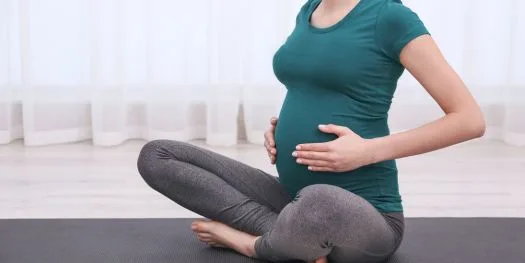
Pregnancy brings remarkable changes to your body, and staying active can support both maternal and baby’s health. Safe, guided exercises help improve strength, posture, circulation, and stamina while also preparing the body for labor and childbirth. With proper guidance and attention to your body’s signals, regular physical activity during pregnancy can promote comfort, confidence, and overall well-being.
Exercising on a regular basis while pregnant might ease back pain, lift your mood, increase your energy, and lower the chances of gestational diabetes. It is important to identify which exercises are safe and suitable in each trimester for your health.
Pregnancy Exercises First Trimester: Building a Foundation
The first trimester is a good time to start building healthy routines that will stick with you throughout pregnancy. In these first 12 weeks, as your body adjusts to hormonal shifts light activity can ease issues such as nausea and tiredness.
Walking is a simple and safe way to stay active in early pregnancy. Begin with about 15 to 20 minutes each day and work your way up to half an hour as you feel stronger. Swimming is another great choice since it offers a gentle cardio workout and helps support your increasing body weight.
Prenatal yoga can help a lot in the first trimester. It boosts flexibility, eases stress, and can improve how well you sleep. Stick with gentle movements and avoid lying flat on your back for a long time. Poses like cat-cow stretch, child’s pose, and modified warrior are great during this time.
Using light weights or resistance bands is a good way to keep your muscles strong and support your bones. You can try wall pushups, squats with a chair for balance, or arm circles with small weights. After the early weeks, skip any moves that need you to lie flat on your back.
Pregnancy Exercises Second Trimester: Adapting Your Routine
The second trimester is often called the “golden period” of pregnancy because most people feel more energized and morning sickness eases. This is a good time to keep up with or tweak your workout routine as your belly grows.
Using a stationary bike works well during this stage. It gives you great cardio benefits without the risk of losing balance like when riding outside. Adjust the height of the bike seat to suit your posture and make sure you do not lean forward too much.
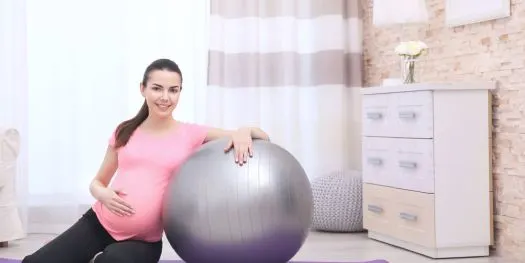
A pregnancy ball becomes even more useful in these months. A stability ball supports your belly and allows for light stretches and strength exercises. Simple seated bounces with the ball help your blood flow better. Wall squats with the ball build stronger legs too.
As your baby grows, doing pelvic floor pregnancy exercises becomes more essential. These exercises help make the muscles stronger around your bladder, uterus, and bowel. You can try Kegel exercises by squeezing your pelvic floor muscles for 5 seconds then letting go for another 5 seconds. Repeat this about 10 to 15 times during the day.
Taking water aerobics classes designed for pregnant women provides a full-body workout while being gentle on the joints. The water supports body weight, reduces strain, and helps keep the body cool. Guidance from the best gynae in Greater Noida can help ensure these exercises are safe, effective, and suitable for each stage of pregnancy.
Third Trimester: Preparing for Labor
In the last trimester, your focus should turn to exercises that get you ready for labor and giving birth. Gentle stretches, breathing practice, and positions that help your baby move into the best spot take priority.
SI joint pain pregnancy exercises matter when your body makes the relaxing hormone. This hormone loosens ligaments and might lead to pain. Simple moves like hip circles, easy pelvic tilts, and the supported child’s pose can ease the discomfort.
Including squats with the right support can build your leg strength and might help with the baby’s position during delivery. Hold onto a chair or use a wall for balance, but avoid squatting too low if it feels uncomfortable.
Doing breathing exercises and meditation is helpful to prepare your mind and body to handle labor. You could try slow belly breathing while sitting on a pregnancy ball or lying on your side.
Safety Guidelines and Warning Signs
Knowing when to pause exercising is important to stay safe. Stop what you’re doing right away and call your doctor if you notice vaginal bleeding, feel dizzy, get chest pain, struggle to breathe even when not moving much, experience a headache, or feel your muscles getting weak.
Make sure you choose pregnancy exercises that let you talk as you move. If you find yourself so out of breath that speaking is difficult, tone down your workout. Drink plenty of water, dress in comfortable and supportive clothes, and stay away from exercising in hot or sticky weather.
Prakash Hospital is recognized as a best multispeciality hospital in noida. It provides full pregnancy care round-the-clock emergency services, and state-of-the-art monitoring systems. Knowing how to pick the right gynecologist means looking at their experience with pregnancy exercise tips and how they handle prenatal care.
Exercise Recommendations by Trimester
| Trimester | Recommended Duration | Safe Activities | Activities to Avoid |
| First (1-12 weeks) | 20-30 minutes daily | Walking, swimming, prenatal yoga, light strength training | Contact sports, high-impact activities |
| Second (13-26 weeks) | 30 minutes daily | Stationary cycling, water aerobics, pregnancy ball exercises | Exercises lying flat on back, activities with fall risk |
| Third (27-40 weeks) | 20-30 minutes daily | Gentle stretching, walking, pelvic floor exercises | High-intensity workouts, deep squats |
Patient Experience: Sarah’s Journey
Sarah is a 28-year-old software engineer living in Greater Noida. During her first pregnancy, she learned why doing structured exercises while pregnant is so important. At first, she felt unsure about working out while expecting so she asked doctors for advice. They helped her see the good that staying active could do.
“I was scared I might hurt my baby,” Sarah says, “but my doctor showed me how safe pregnancy exercises can help both the baby and me. I began with easy walks and prenatal yoga on, and it made a big difference in how I felt.”
In her second trimester, Sarah added swimming and exercises with a pregnancy ball to her routine. “I used the pregnancy ball all the time. It eased my back pain and kept me comfortable during those months,” she shares.
By the time Sarah reached her third trimester, she did pelvic floor exercises and practiced gentle stretches during her pregnancy. She said, “Keeping up with my strength and staying flexible the whole time made me feel more ready for labor. The breathing exercises I learned were useful when it came to giving birth.”
Sarah’s story shows why it matters to connect with the Best doctor for women health issue to create a workout routine that fits and changes as your pregnancy progresses.
Frequently Asked Questions
Q: Is it okay to start exercising even if I wasn’t active before pregnancy?
A: Yes, you can start exercising during pregnancy. It is a great time to try light activities. Begin with something simple like walking or prenatal yoga and slowly increase the difficulty as you get fitter.
Q: When should I stop working out while pregnant?
A: You need to stop right away if you notice things like vaginal bleeding feeling dizzy, chest pain, or having trouble breathing. Always check in with your doctor to stay safe.
Q: Can I use a pregnancy ball in all trimesters?
A: Yes, using a pregnancy ball is safe no matter what stage you are in. If done , it offers great support and can also help with labor positioning.
Q: What can I do about SI joint pain during pregnancy exercises?
A: You can try gentle hip circles, pelvic tilts, and supported stretches to ease the pain. Avoid moves that increase discomfort. If the pain doesn’t go away, ask your doctor what to do next.
Q: How can I get trustworthy pregnancy exercise advice in Greater Noida?
A: You should search for trainers certified in prenatal fitness and talk to gynecologists who have experience working with pregnant women in your area.
Conclusion
Staying active while pregnant is helpful for both you and your baby. Safe exercises can reduce back pain, lift your mood, and help you get ready for labor. These benefits make pregnancy feel easier and more positive.
Each pregnancy is different, so what might be good for one person might not be right for someone else. Meeting with skilled healthcare providers helps keep your exercise plan safe and helpful during pregnancy.
To get advice tailored to your needs, talk to professionals who specialize in caring for pregnant women. Staying active during pregnancy with proper medical guidance can help ensure a smooth and healthy experience leading up to childbirth.

- Skin Allergy Symptoms: Early Warning Signs You Should Never Ignore - October 13, 2026
- Reasons for Dry Skin - October 10, 2026
- Hyperpigmentation Vitamin B12 Deficiency - October 6, 2026