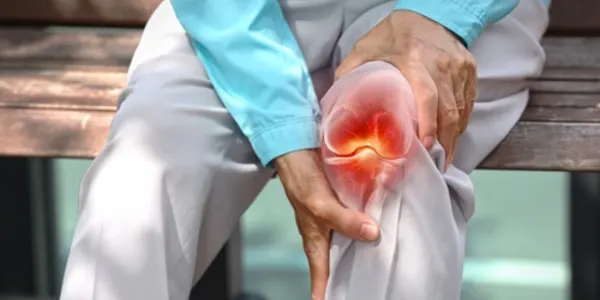
Knee pain can make everyday activities like walking, climbing stairs, or standing for long periods extremely difficult. When medications, lifestyle changes, and other treatments no longer provide relief, doctors may recommend knee replacement surgery. Understanding before and after knee replacement surgery is essential for patients who want a smooth procedure and successful recovery.
From preparing the body before surgery to following a proper rehabilitation plan afterward, each stage plays an important role in achieving the best results. This guide explains what patients should do before the operation, what happens after the procedure, and how recovery progresses over time.
Understanding Knee Replacement Surgery
Knee replacement surgery, also known as knee arthroplasty, is a procedure in which damaged cartilage and bone in the knee joint are replaced with artificial components made of metal and plastic. The surgery is typically recommended for people suffering from severe arthritis, joint damage, or chronic knee pain that does not improve with other treatments.
The main goal of the surgery is to reduce pain, improve mobility, and help patients return to normal daily activities. However, the success of the procedure depends not only on the surgery itself but also on how well patients prepare beforehand and follow recovery guidelines afterward.
Preparation plays a key role in improving surgical outcomes. Patients who prepare their body before surgery often experience faster recovery and fewer complications.
Doctors usually recommend strengthening the muscles around the knee, maintaining a healthy diet, and following medical instructions carefully before the procedure.
Exercises Before Knee Replacement Surgery
One of the most important steps before the procedure is performing exercises before knee replacement surgery. These exercises help strengthen the muscles surrounding the knee joint, which improves stability and supports faster recovery after surgery.
Stronger muscles also make it easier for patients to regain mobility once the artificial joint is in place.
Some commonly recommended exercises include:
Straight Leg Raises
This exercise helps strengthen the quadriceps muscles in the front of the thigh without putting pressure on the knee joint. Patients lie flat on their back and slowly lift one leg while keeping it straight.
Quadriceps Sets
Quadriceps sets involve tightening the thigh muscles while keeping the leg straight. This exercise improves muscle strength and prepares the knee for post-surgery rehabilitation.
Hamstring Stretches
Stretching the hamstrings improves flexibility in the back of the thigh and reduces stiffness around the knee joint.
Ankle Pumps
Ankle pump exercises improve blood circulation in the legs and help prevent stiffness before and after surgery.
Performing these exercises regularly before surgery can help patients recover faster and regain movement more easily after the operation.
Diet Before Knee Replacement Surgery
Following a balanced diet before knee replacement surgery is another important step in preparing the body for the procedure. Proper nutrition strengthens the immune system, supports healing, and helps reduce inflammation in the body.
A healthy diet can also help patients maintain an ideal body weight, which reduces stress on the knee joint.
Increase Protein Intake
Protein is essential for repairing tissues and building muscle strength. Foods such as eggs, chicken, fish, lentils, tofu, and dairy products provide high-quality protein that supports recovery.
Eat Anti-Inflammatory Foods
Vegetables like spinach, broccoli, and kale contain antioxidants that help reduce inflammation. Fruits such as berries and oranges also support immune health.
Choose Whole Grains
Whole grains such as brown rice, oats, and whole wheat bread provide steady energy and important nutrients that support the body during recovery.
Stay Hydrated
Drinking enough water helps maintain healthy circulation and supports overall body function before and after surgery.
Patients should also discuss any medications or supplements they are taking with their doctor to ensure they are safe before the procedure.
What to Expect After Knee Replacement Surgery
Understanding what to expect after knee replacement surgery helps patients feel more prepared and confident about the recovery process.
Immediately after surgery, patients are taken to a recovery room where healthcare professionals monitor vital signs such as heart rate, blood pressure, and oxygen levels.
Most patients remain in the hospital for one to three days depending on their overall health and recovery progress.
Doctors usually encourage patients to start gentle movements within the first day after surgery. Early movement helps improve blood circulation and reduces the risk of complications such as blood clots.
Patients may also receive pain management treatments to help control discomfort during the early stages of recovery.
During this period, healthcare providers will guide patients on safe ways to move, sit, and walk to protect the new knee joint.
Swelling After Knee Replacement Surgery
Experiencing swelling after knee replacement surgery is very common and usually part of the normal healing process. Swelling occurs as the body responds to the surgical procedure and begins repairing tissues around the knee.
Although swelling can last for several weeks, there are several ways to manage it effectively.
Applying Ice Packs
Ice therapy is often recommended to reduce inflammation. Applying an ice pack to the knee for 15–20 minutes several times a day can help control swelling and relieve discomfort.
Elevating the Leg
Keeping the leg elevated above heart level allows fluids to drain away from the knee, which helps reduce swelling.
Gentle Movement
Performing gentle movements and recommended exercises improves blood circulation and prevents stiffness in the joint.
While mild swelling is normal, patients should contact their doctor if swelling becomes severe or is accompanied by symptoms such as fever, redness, or unusual pain.
Recovery Timeline After Knee Replacement Surgery
Understanding the recovery timeline after knee replacement surgery helps patients set realistic expectations and track their progress.
Although recovery varies depending on age, health condition, and commitment to rehabilitation, most patients follow a general timeline.
First Week After Surgery
During the first week, patients usually begin standing and walking with assistance from a walker or crutches. Gentle exercises help improve blood circulation and prevent stiffness in the knee.
Weeks Two to Six
During this stage, patients gradually regain strength and mobility. Walking distances may increase, and some daily activities become easier to perform.
Weeks Six to Twelve
By this time, many patients experience significant improvements in knee movement and muscle strength. Some individuals may return to work, depending on the type of job they perform.
Three to Six Months
Most patients notice major improvements in their ability to move comfortably and perform everyday activities.
Six to Twelve Months
The knee continues to strengthen and stabilize during this period. Full recovery can take up to a year for many patients.
Physical Therapy After Knee Replacement Surgery
Rehabilitation is a crucial part of recovery, and physical therapy after knee replacement surgery plays a major role in restoring mobility and strength.
Physical therapy programs are designed to help patients regain flexibility, improve muscle strength, and restore normal knee function.
A physical therapist may guide patients through exercises such as:
- Knee bending and straightening movements
- Leg strengthening exercises
- Walking and balance training
- Stair climbing practice
These exercises gradually improve range of motion and strengthen the muscles surrounding the knee joint.
Consistency is extremely important in physical therapy. Patients who follow their rehabilitation program regularly often experience faster recovery and better long-term results.
Frequently Asked Questions
What should I do before knee replacement surgery?
Before knee replacement surgery, patients should strengthen their leg muscles with recommended exercises, maintain a healthy diet, and follow medical instructions from their doctor to prepare the body for surgery.
What are the best exercises before knee replacement surgery?
Common exercises before knee replacement surgery include straight leg raises, quadriceps strengthening exercises, hamstring stretches, and ankle pumps. These exercises help improve muscle strength and flexibility.
What foods should I eat before knee replacement surgery?
A healthy diet before knee replacement surgery should include protein-rich foods such as eggs, fish, and lentils, along with fruits, vegetables, and whole grains to support healing.
What should I expect after knee replacement surgery?
Patients may experience some pain, swelling, and limited mobility initially. However, with proper care and rehabilitation, movement gradually improves over time.
Is swelling normal after knee replacement surgery?
Yes, swelling after knee replacement surgery is common. It can be managed with rest, ice therapy, leg elevation, and gentle exercises recommended by a doctor.
Conclusion
Understanding before and after knee replacement surgery helps patients prepare for every stage of the treatment process. Performing recommended exercises before knee replacement surgery and maintaining a healthy diet before knee replacement surgery can improve surgical outcomes and support faster healing.
After the procedure, knowing what to expect after knee replacement surgery, managing swelling after knee replacement surgery, understanding the recovery timeline after knee replacement surgery, and participating in physical therapy after knee replacement surgery are all essential steps for successful recovery.
With proper preparation, dedication to rehabilitation, and guidance from healthcare professionals, many patients are able to regain mobility, reduce pain, and return to a more active lifestyle.

- How to Remove Pigmentation From Face Permanently - October 19, 2026
- Back Acne - October 16, 2026
- Skin Allergy Symptoms: Early Warning Signs You Should Never Ignore - October 13, 2026