Can I sit cross-legged again?” and “Will I manage the stairs at home?” are two of the questions our orthopaedic team in Greater Noida hears most often. This guide gives honest, evidence-based answers: what is realistic, what timelines usually look like, and how to stay safe while you recover.
Yes, you can climb stairs after knee replacement. Most patients practise a few steps with a physiotherapist before leaving hospital. Many manage a flight of stairs with a railing by about 4–6 weeks. A natural, step-over-step pattern usually takes a few months, and going down often takes longer than going up. Sitting on the floor or cross-legged is possible for some patients, but not guaranteed. It depends on how far your knee bends, your implant and your surgeon’s advice.
In knee replacement surgery (total knee arthroplasty, or TKA), the damaged joint surfaces are replaced with metal and plastic parts. The main goals are to relieve pain and improve everyday movement. How much your knee bends afterwards, and therefore how easily you manage stairs and floor sitting, varies from person to person.
Is Can You Sit Cross-Legged After Knee Replacement?
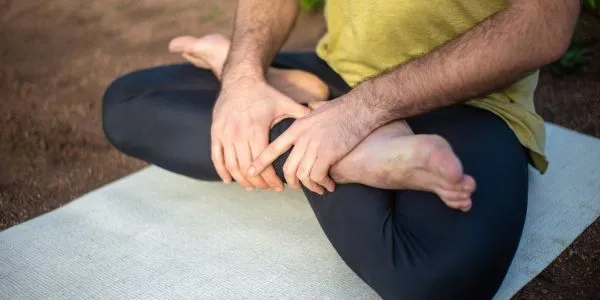
Sitting cross-legged (sometimes called sitting Indian style, or sukhasana) needs a lot of knee bend plus some rotation at the hip and knee. For many families in India it is part of daily life: prayer, meals, and gatherings on the floor. The honest answer is that some patients regain it and others do not.
In one Indian study using a specific high-flexion implant, 205 of 248 patients (76.6%) could still sit cross-legged at final follow-up. Average knee bend in that study improved from about 98° before surgery to about 132° afterwards.
Other studies are more cautious:
- In a separate Indian study, 69 of 74 patients were satisfied with their knee replacement, yet only 5 could squat or sit cross-legged.
- A long-term study from Korea found that even among patients with high knee bend after surgery, more than half could not kneel or squat.
The takeaway: sitting cross-legged is possible for some patients, but it isn’t guaranteed. Most patients’ satisfaction comes mainly from pain relief and easier walking.
Safe Approaches to Climbing Stairs After Knee Replacement
Most people start climbing stairs after knee replacement surgery within the first week. Confidence tends to grow as days go by. Many assume stair climbing is off-limits, but it is included as part of rehab to help build strength.
This recovery happens step by step, like this:
- Days 1-3: Therapists guide patients in learning the right method.
- Days 4-14: Patients depend less on assistance.
- Weeks 2-6: They build endurance and feel more confident repeating the movements.
- After 6 weeks: Patients aim to climb stairs in a natural rhythm.
To start, the “up with the good leg down with the bad leg” technique is suggested.
- To go up, patients step first with the non-operated leg.
- To go down, they step first with the operated leg.
As their strength builds and they feel more confident, patients begin to switch to a regular stair-climbing rhythm. By three months after surgery many patients handle stairs more , though returning to a normal stair pattern often takes between six and twelve months.
How Long Does It Take to Climb Stairs Normally After Knee Replacement?
Most patients practise stairs with support before leaving hospital. By about 4 to 6 weeks, many manage a flight of stairs with a railing. A smooth, alternating pattern often takes around three months or longer. Some people continue to improve for up to a year.
Returning to a Natural Step-Over-Step Pattern
You’re usually ready to try alternating feet once you can:
- step up confidently on the operated leg;
- control the lowering on the way down;
- manage without significant pain or swelling afterwards.
Start by going up with alternating feet while holding the rail, and try it on the way down later. Some people keep a slight difference on stairs, particularly going down, even with a well-functioning knee. That is common and not necessarily a sign that something is wrong.
Why Is Climbing Stairs Difficult After Knee Replacement?
Difficulty climbing stairs after knee replacement is common, especially in the first weeks. Stairs demand more strength, bending and balance than walking on flat ground, and research shows that some patients still find stairs slower than their peers a year or more after surgery.
Common Reasons
- Thigh (quadriceps) weakness: These muscles often weaken over years of arthritis and after surgery.
- Swelling and stiffness: Mild swelling can last several months and limit bending.
- Limited knee bend: Stairs need a reasonable amount of knee bend, especially going up.
- Balance and confidence: Fear of falling can make movements hesitant.
- Pain: Pain in the early weeks naturally slows you down.
When Ongoing Stair Difficulty Needs a Check-Up
If stairs are not improving, or are getting worse, beyond about 3 months, speak to your surgeon or physiotherapist. It often means your exercise plan needs adjusting. Occasionally it points to stiffness or another issue worth checking. See a doctor sooner if stair pain comes with the warning signs listed in “When to Call Your Doctor
Recovery Timeline for Stairs, Floor Sitting and Cross-Legged Sitting
These are typical ranges, not targets. Your own progress may be faster or slower, and your surgeon’s advice comes first.
| Timeline | Physical Milestones | Functional Activities | Pain Level |
| Days 1-3 | • Standing • Walking• Basic knee flexion 0-60° | •• Basic self-care | Moderate to severe |
| Week 1 | • Walking with walker/crutches• Knee flexion 60-90°• Basic• Extended walking | Moderate | |
| Weeks 2-3 | • Transitioning to cane• Knee flexion 90-110° | • Independent• Stairs with minimal assistance• Short outdoor walks | Mild to moderate |
| Weeks 4-6 | • Walking• Knee flexion 110-120°• Driving (if right• Light household tasks | Mild | |
| Weeks 6-12 | •• Knee flexion 120-130°+ | • Return to work• Social activities | Minimal |
| Months 3-6 | • Improve• Near-normal g• Potential deep flexion | • Most•• Possible floor sitting | Occasional |
| Months 6-12 | • Potential cross-legged sitting | • Return to low-impact sports• Full independence | Rare |
The average recovery time for knee replacement varies, but most patients can resume basic activities within 4-6 weeks. Complete recovery, including maximum strength and range of motion, typically takes 6-12 months.
Exercises That Help With Stairs and Deep Bending
These exercises build the strength and bend you need for stairs and sitting. Do them only as your physiotherapist advises; they may change the number of repetitions or the order to suit your recovery.
- Quadriceps sets – With your leg straight, tighten your thigh muscle and hold for 5–10 seconds. Builds the thigh strength needed for stairs.
- Straight leg raises – Lying on your back, tighten your thigh and lift your straight leg a short distance. Hold briefly, then lower slowly.
- Heel slides – Lying on your back, slide your heel towards your hip to bend the knee. Hold, then straighten. Improves knee bend.
- Seated knee bends – Sitting in a chair, slide your foot back under the chair as far as is comfortable. Hold for 5–10 seconds.
- Standing knee bends – Holding a sturdy support, bend your knee to bring your heel towards your buttock. Hold, then lower.
- Step-ups (when your physiotherapist allows) – Holding a rail, step up onto a low step with the operated leg, then step down slowly. This directly trains stair control, including the “lowering” needed for going down.
For a complete rehab programme, read why physiotherapy is essential after knee replacement.
Patient Story: Returning to Floor Sitting for Daily Prayer
Mrs. Sushila Sharma a 62-year-old from Greater Noida, had lived with knee osteoarthritis for more than five years. Sitting on the floor for daily prayer mattered deeply to her, but she had been unable to do it for over three years.
Before surgery:
- Frequent knee pain, often 8 out of 10
- Unable to sit on the floor for over three years
- Needed help on stairs
- Could walk less than 200 metres
Surgery: After assessing her knee bend and goals, her surgeon chose a high-flexion implant.
Her recovery:
- Day 1: Walking with a walker
- Week 3: Walking with a cane
- Week 6: Knee bend of about 110°
- Month 3: Began supported floor-sitting practice under physiotherapy guidance
- Month 5: Knee bend of about 125°
- Month 8: Could sit cross-legged briefly
- Month 12: Could sit cross-legged through her prayer sessions
In her words: “I had lost hope of ever sitting on the floor to pray again. Now I can sit cross-legged and manage the stairs without fear.”
Individual results vary. Mrs. Sharma had good knee bend before surgery and followed her rehab closely. Not every patient will regain cross-legged sitting.
When to Call Your Doctor
Contact your surgeon promptly if you notice:
Seek emergency care immediately for sudden shortness of breath or chest pain, as these can signal a blood clot in the lungs.
Fever, chills, or increasing redness, warmth or discharge from the wound
Pain, tenderness or swelling in your calf that is not related to the incision
Swelling that is new or suddenly worse
Knee pain that is getting worse instead of gradually better
A fall on the stairs or elsewhere, or a feeling that the knee is unstable
Learn more about pain and swelling that isn’t normal after knee replacement.
Frequently Asked Questions
How long after knee replacement can you climb stairs?
Most patients practise stairs with a physiotherapist before leaving hospital, usually within the first few days. Many manage a flight of stairs with a railing by about 4–6 weeks. A smooth, alternating pattern often takes around three months or longer. Your progress depends on strength, swelling and your surgeon’s advice.
Why is climbing stairs difficult after knee replacement?
Stairs need thigh strength, knee bend and balance, all of which are reduced while you heal. Swelling, stiffness and fear of falling also play a part. Difficulty usually improves steadily with physiotherapy. If stairs aren’t improving after about 3 months, ask your surgeon or physiotherapist to review your progress.
Is it harder to go down stairs than up after knee replacement?
Often, yes. Going down needs your thigh muscles to control your body weight as you lower yourself, which is more demanding for a healing knee. Going down can also feel riskier. Many patients keep using the rail on the way down for longer, and targeted strength and balance exercises help.
Will I ever climb stairs normally again after knee replacement?
Many patients return to climbing stairs comfortably with alternating feet, usually over several months. Some people keep a small difference, especially going down, even when the knee works well. Regular exercise and strength training give you the best chance of a near-normal stair pattern.
Can you sit on the floor after knee replacement?
Some patients can, once their knee bends well and their thigh muscles are strong. Getting down and up safely is often the harder part. Start only when your surgeon or physiotherapist advises, use a sturdy chair for support, and try a cushion or low stool first.
Can you sit cross-legged (Indian style) after knee replacement?
Some patients can, but it isn’t guaranteed. One Indian study using a high-flexion implant found that about three in four patients kept this ability, while other studies report much lower numbers. Your chances depend mainly on your knee bend before surgery, your implant and your rehab. Discuss it with your surgeon before surgery.
Can you cross your legs after knee replacement?
NHS guidance advises not crossing your legs for the first 6 weeks after knee replacement, to protect the healing knee and support circulation. After that, most patients can cross their legs while sitting if it’s comfortable and their surgeon agrees.
Can sitting cross-legged damage a knee replacement?
Researchers are still studying whether frequent deep bending affects how long an implant lasts, and the answer can depend on the implant design. Never force the position. Ask your surgeon whether cross-legged sitting is suitable for your specific knee and how often you can do it.
Can I use an Indian-style toilet after knee replacement?
In early recovery, use a Western toilet, a raised toilet seat or a commode chair with a grab bar. Deep squatting is difficult and increases the risk of falls. Ask your surgeon before returning to squatting; for some patients it may not be advisable long term.
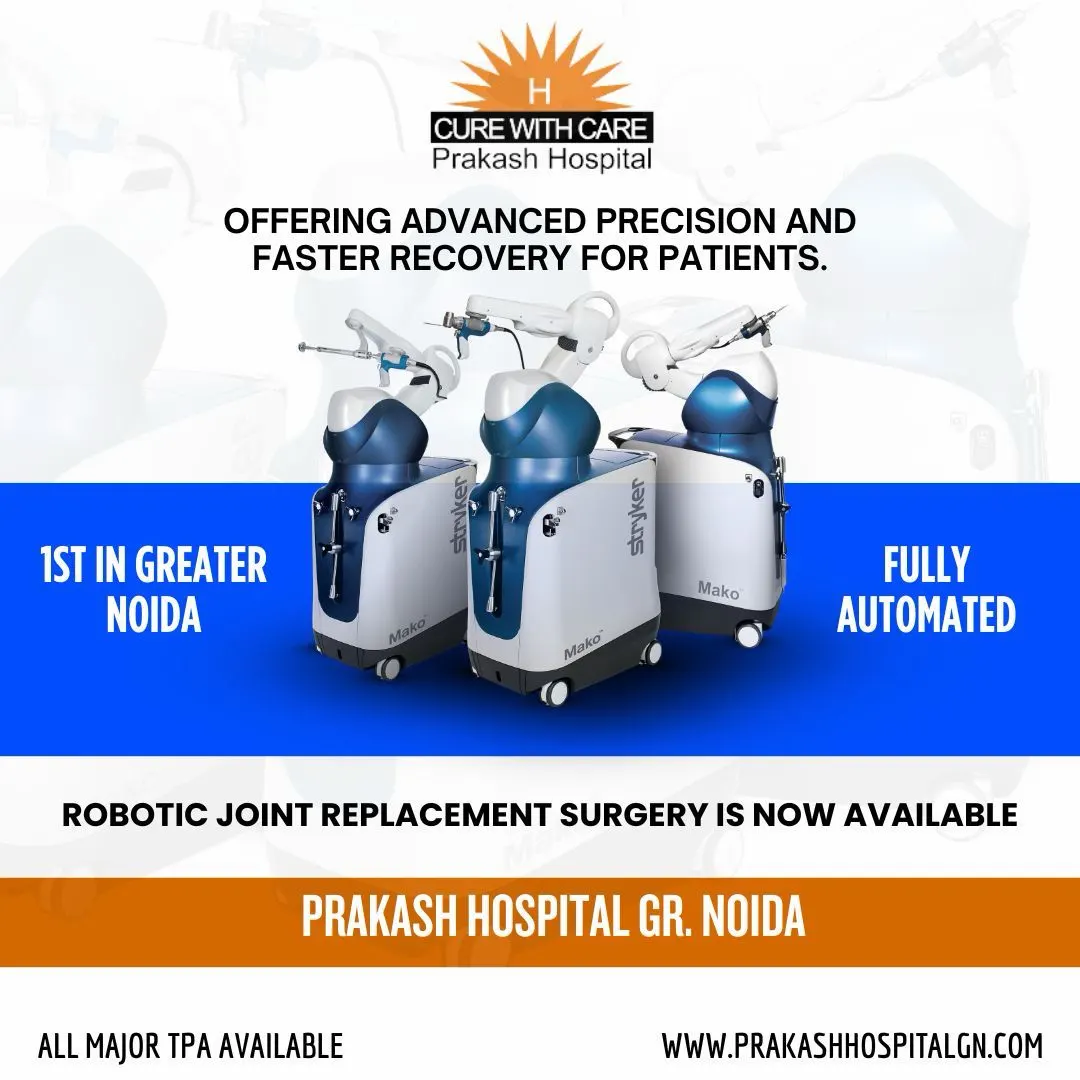
Knee Replacement Care at Prakash Hospital, Greater Noida
To discuss your options, consult an orthopaedic surgeon in Greater Noida or book an appointment.
Climbing stairs is a realistic goal for most people after knee replacement. Sitting on the floor or cross-legged is possible for some, and it depends on your knee, your implant and your rehab. If these activities matter to you, say so early. They help your surgeon plan the right approach for you.
At Prakash Hospital, knee replacement care includes:
A thorough evaluation before surgery, including your daily-life goals such as floor sitting
A surgical plan tailored to your knee
Early mobilisation and enhanced-recovery (ERAS) protocols
Step-by-step physiotherapy, including stair training
Scheduled follow-up check-ups

- How to Remove Pigmentation From Face Permanently - October 19, 2026
- Back Acne - October 16, 2026
- Skin Allergy Symptoms: Early Warning Signs You Should Never Ignore - October 13, 2026