Why Physiotherapy After Knee Replacement Is Essential
Undergoing knee replacement surgery is a significant step in dealing with joint issues, but the journey doesn’t end there. Recovering requires focused aftercare to heal well and regain normal function. Surgery fixes the damaged joint, but proper rehabilitation decides how a person recovers strength and movement. Prakash Hospital known throughout Greater Noida for expertise in orthopedic care, excels in both knee replacements and tailored rehabilitation steps. Here, we look at why physiotherapy isn’t optional but a must-have for recovery after surgery.

Moving Forward: Steps Toward Better Healing
To recover well from knee replacement surgery recovery, you need a personalized physiotherapy plan. This helps bring back strength and movement. Recovery kicks off right after surgery and can stretch on for months. Skipping proper rehab might lead to problems that hurt the surgery’s outcome.
Physiotherapy has several key roles in getting better:
- Managing pain – Special methods ease pain after surgery
- Restoring movement – Exercises focus on improving how far the knee can bend and stretch
- Building strength – Gradual resistance work rebuilds muscle support
- Fixing walking patterns – Training helps you walk again
- Avoiding scar tissue – Techniques keep adhesions from reducing movement
Research highlights that attending physical therapy sessions after knee replacement boosts patient satisfaction and improves long-term recovery. Patients who stick to a structured physiotherapy plan often enjoy better mobility and functionality compared to those who don’t.
Knee surgery recovery: expert physiotherapy for faster healing tips
Knee surgery recovery for focused physiotherapy treatments is to heal and restore proper movement. Recovery happens in steps where each phase helps you move toward the next.
Recommended Physiotherapy Exercises After Knee Replacement Surgery
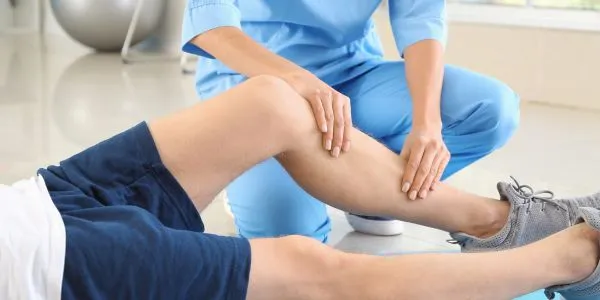
Post-surgery physiotherapy exercises are designed to match every phase of your recovery to help you get the best possible results. These exercises move from simple actions to more advanced movements:
Phase 1 (Days 1-3):
- Pumping ankles
- Tightening quadriceps
- Squeezing glutes
- Sliding heels
- Lifting legs straight
Phase 2 (Weeks 1 to 3):
- Bending knees while standing
- Extending knees with support
- Performing mini squats with help
- Stepping up on low platforms
- Riding a stationary bike with little resistance
Phase 3 (Weeks 4 to 12):
- Following a walking routine
- Practicing balance training
- Doing strength exercises
- Learning functional movements
- Preparing to get back to regular activities
A well-planned set of knee replacement exercises helps keep your joint mobile and muscles strong. The exercises are made to push the joint enough to improve it but not cause harm.
When to Start Physiotherapy After Knee Replacement: Expert Guide
Understanding the right time to begin physiotherapy after a knee replacement is essential. Most patients start within the first 24 hours following surgery. Starting this soon can lower the risk of blood clots and encourage faster healing. The first exercises are light and aim to get muscles working and improve blood flow.
The Importance of Physical Therapy After Knee Replacement
Physical therapy plays a key role in recovery after knee replacement and has an influence on multiple aspects of healing and mobility:
- Stops joint stiffness – Regular movement helps reduce the chance of scar tissue forming.
- Boosts blood circulation – Better blood flow helps with healing and swelling.
- Brings back normal movement – Fixes movements the body starts doing to compensate before surgery.
- Strengthens nearby muscles – Makes the muscles around the knee stronger to protect the joint.
- Improves joint awareness – Increases understanding of joint position to support balance.
People often want to know how long physiotherapy is needed after a knee replacement. Most plans last between 8 and 12 weeks. The exact timeline though, depends on how the person progresses and what they aim to achieve. Some individuals dealing with complicated issues or other health problems, might need therapy for as long as 6 months to see the best results.
Risks of Skipping or Inadequate Physiotherapy
Not following a proper physiotherapy routine after knee replacement surgery can cause major problems:
| Complication | Risk Level | Impact on Recovery | Preventive Measure |
| Joint Stiffness | High | Severe limitation in movement | Regular ROM exercises |
| Muscle Weakness | High | Instability and poor function | Progressive strengthening |
| Improper Gait | Medium | Long-term joint stress | Gait training |
| Blood Clots | Medium | Potentially life-threatening | Early mobilization |
| Persistent Pain | Medium | Reduced quality of life | Proper pain management |
To regain function and independence after a total knee replacement, patients must stick with physiotherapy until they meet their recovery targets. Stopping too soon may harm future progress and lead to extra treatments.
Your Trusted Partner in Bone and Joint Health
Prakash Hospital ranks as a top orthopedic hospital in greater noida equipped with modern facilities to handle knee replacement surgery and recovery services. The hospital provides:
- Complete care – Begins with pre-surgery evaluation and continues through long-term care.
- Modern technology – Features advanced tools for surgeries and recovery.
- Dedicated physiotherapy team – Trained specialists in orthopedic recovery processes.
- Customized recovery plans – Designed to fit each patient’s specific needs and progress.
- Proven protocols – Follows trusted practices for patient safety and success.
Why Expert Guidance Is Key for Successful Knee Replacement
People looking for the Best orthopedic doctor in Greater Noida often choose Dr. Vivek Prakash because of his skills in knee replacement surgeries. Dr. Prakash offers outstanding care and has a lot of experience in orthopedic procedures focusing mainly on joint replacements. He supports patients during both surgery and recovery.
He focuses on:
- Careful assessment before surgery
- Using invasive methods when possible
- Detailed planning after surgery
- Working with physiotherapists
- checking progress
Patient Success Story: A Case Study
Patient Details: Mrs. Uma Sharma, 68 years old struggling with severe osteoarthritis in her right knee
Before Surgery Condition:
- Walking caused intense pain (rated 8 out of 10).
- Mobility was restricted (could walk up to 100 meters).
- Relied on family help to manage most everyday tasks.
- Pain disrupted sleep and affected rest.
Treatment:
- Dr. Vivek Prakash carried out total knee replacement surgery.
- Physiotherapy began the day after surgery.
- Attended therapy three times weekly for two months then moved to a home workout plan.
Recovery Achievements:
- By day 3, I started walking using a walker.
- After 2 weeks, I reached a 90° bend in the knee.
- At 6 weeks, I began walking short distances without support.
- By 12 weeks, regained full independence in everyday activities.
Current Progress (6 months after surgery):
- Pain level: 1 out of 10 (just slight discomfort now and then)
- Walking ability: Can walk 1 kilometer without any pain
- Can manage all daily tasks alone
- Life has become much better overall
Mrs. Uma Sharma believes her recovery went so well because of the skilled surgeons and the detailed physiotherapy plan she followed at Prakash Hospital.
Frequently Asked Questions
Q: Does physiotherapy hurt after knee replacement?
A: Feeling some soreness during physiotherapy is usual, though it should not hurt too much. Therapists keep exercises within what you can tolerate and increase them as you feel better.
Q: How long will I need to use a walking aid after knee replacement?
A: Most people start with a walker for one to two weeks and then switch to a cane for another two to four weeks. The timeline depends on how stable you are and how well you recover.
Q: Can I do physiotherapy exercises at home?
A: Yes, doing exercises at home plays a big role in healing. Your physiotherapist will give you a tailored plan to follow at home and will adjust it as your recovery moves forward.
Q: When can I return to normal activities after knee replacement?
A: Many people can do light activities in about six weeks and take on tougher tasks by three months. Full recovery—like getting back to sports—can take anywhere from six months to a year.
Q: What should I do if my pain feels worse during recovery?
A: It’s normal if pain levels go up and down a bit, but you need to let your doctor know if there’s a big spike. It might mean you have a complication or need to change your exercises.
Conclusion
Physiotherapy plays a big role in getting better after a knee replacement. It isn’t just helpful—it’s a must for full recovery and lasting results. This rehab process helps you move better, get stronger, and avoid complications. At Prakash Hospital in Greater Noida known for its top orthopedic care, patients benefit from expert attention. Specialists like Dr. Vivek Prakash and skilled physiotherapists team up to make sure recovery goes as possible.
If you plan to get knee replacement surgery or are already recovering, talk to the specialists at Prakash Hospital to create a rehab plan. This will help you get the best results.

- Pain in Back of Thigh - September 21, 2026
- Ligament Injury Treatment - September 16, 2026
- Epilepsy Specialist - September 4, 2026