When winter nears many people feel their joints start hurting, knees get stiff, and even simple movements feel harder. This isn’t your imagination—science backs up the fact that cold weather can cause joint pain for millions around the world. Figuring out why this happens and learning ways to handle it can help you stay active and comfortable during winter.
At Prakash Hospital in Greater Noida, the orthopedic experts see this pattern in patients all the time. Weather changes do have an effect on joint pain, but with the right care, guidance, and support from the best orthopedic doctor in Greater Noida, you can manage symptoms effectively and prevent joint pain from interfering with your daily life.
Understanding Cold Weather Triggers Joint Pain
More people in Greater Noida feel joint pain getting worse when it is cold in winter. This happens because of how the body reacts to the low temperatures, which can affect how your joints feel and work.
When it gets cold, one big reason for the pain is the body’s reaction called the inflammatory response. Studies say colder weather causes the body to produce more substances called pro-inflammatory cytokines. IL-1β and IL-6 are two such substances that build up in the joints. They make the pain sharper and movements stiffer, which is why discomfort rises for many people during chilly months.
Cold exposure raises spinal cord microglia activation making your central nervous system more sensitive to inflammatory triggers. This increased sensitivity makes any existing joint problems feel worse and hurt more as temperatures go down.
Changes in circulation also have a big effect. When it’s cold, blood vessels tighten up and lower blood flow to your joints and nearby tissues. This drop in circulation adds to stiffness and pain if someone already has musculoskeletal issues.
Arthritis and Cold Weather: Why Symptoms Worsen in Winter
Doctors have studied the link between arthritis and cold weather a lot and found clear signs that symptoms often get worse in colder months. People who have arthritis and feel worse in cold weather usually look for special treatment during the winter because their symptoms become harder to handle.
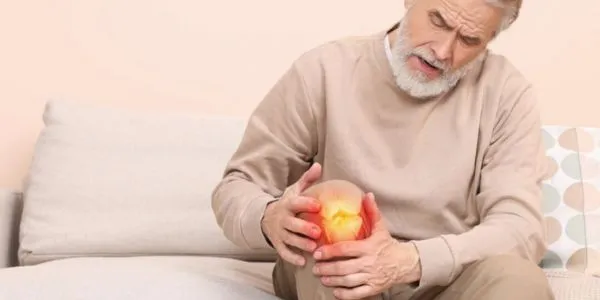
Cold weather fronts bring changes in barometric pressure, which makes tendons, muscles, and nearby tissues expand. This swelling creates more pressure in tight spaces in the body, which makes arthritic joints hurt more. This is true for joints like hips, knees, and ankles that carry a lot of weight.
Cold weather can also stir up long-lasting inflammatory flares in people with rheumatoid arthritis. Meanwhile, those with osteoarthritis might find their joints stiffer and moving around harder when the weather gets chilly.
Evidence-Based Treatment Approaches for Cold Weather Joint Pain
Learning about joint pain during cold weather helps people get ready to handle discomfort by using methods that work. Experts have shown through studies that different treatments can be effective, and thermotherapy has shown great promise.
Advantages of Using Thermotherapy
Research points to big advantages when using ice massage for joint health. Studies confirm that focused ice massage improves quadriceps strength by 29% and boosts knee flexion range of motion by 8%. These clear improvements show ice massage as a helpful method to improve how knees work.
The treatment plan suggests using ice massage for 20 minutes, five days a week. You can also use cold packs to lower knee swelling. Heat therapy works well to relax muscles and improve blood flow.
Ways to Manage Joint Pain
Controlling body temperature plays a big part in managing joint pain during cold weather. Wearing layers thermal clothing, and insulated gear helps to stay warm and reduce strain on joints. Keeping indoor spaces warm is just as necessary to avoid discomfort.
Staying active in winter is still important. Good options include yoga swimming in warm pools indoor cycling, and stretching exercises. These keep joints moving without exposing you to freezing outdoor weather.
Proper nutrition helps in managing inflammation. Eat anti-inflammatory foods and include omega-3 sources such as fish, chia seeds, and walnuts in your diet. Stay well-hydrated and ensure enough vitamin D and K to maintain joint health in the colder months.
Advanced Orthopedic Care by Experienced Specialists
To treat joint pain seeing a best orthopedic doctor for joint pain is essential when symptoms change with the weather. In Greater Noida, Prakash Hospital is known as the top place for knee joint pain care providing personalized treatments depending on the needs of each patient.
Our orthopedic experts understand the challenges that Greater Noida residents face due to the local climate. Cold winters combined with high humidity often make joint pain worse and maintaining joint health more difficult. At the Best Hospital for Knee Joint Pain in Greater Noida, our team creates personalized treatment plans to provide quick relief while supporting long-term joint health and mobility.
The hospital uses advanced diagnostic tools to pinpoint the root causes of joint problems those worsened by cold weather. From non-surgical treatments to complex surgeries, we offer a wide range of orthopedic care to meet every need.
Knee Replacement Recovery: Managing Cold Weather Challenges
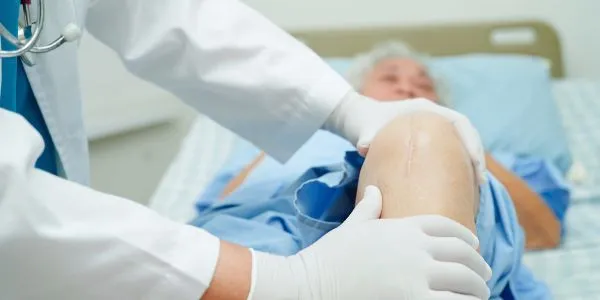
knee replacement recovery requires proper protocols to restore mobility, but cold weather can slow down the recovery process. Patients who have knee surgery get tailored advice to handle their recovery better during winter.
Cold weather slows down how surgical sites heal and makes replaced joints stiffer. Our rehab experts stay involved with patients and adjust workout routines while offering extra guidance during chilly times. They might add longer therapy sessions, tweak at-home exercises, or suggest more ways to manage pain.
Patients recovering from surgery often see improvements using indoor gyms or warm therapy pools. These options help them keep up with rehab without dealing with bad weather outside. The goal is to stay active and stick to therapy plans no matter how cold it gets.
Patient Case Study: Successful Winter Joint Pain Management
Mrs. Sharma, a 58-year-old who lives in Greater Noida, visited Prakash Hospital in November 2023 because of serious knee pain that got much worse during the cold. She had dealt with joint pain for years, but the winter made it almost unmanageable.
The orthopedic team checked her condition and found she had moderate osteoarthritis made worse by her sensitivity to cold weather. They set up a treatment plan to target the problem, which included warmth-based therapies anti-pain medications, and an indoor-friendly exercise routine.
After following the plan for six weeks, Mrs. Sharma said her pain had gone down by 70% and her movement improved a lot. She could handle her regular chores during the winter and thanked the team for tailoring her care to her cold weather problems.
“I never knew how the weather had such an impact on my joints until the doctors at Prakash Hospital explained the science behind it,” Mrs. Sharma said. “The winter-specific treatment plan they made for me has changed my life.”
Treatment Effectiveness Data
| Treatment Method | Improvement Rate | Duration | Success Rate |
| Ice Massage Therapy | 29% strength improvement | 4-6 weeks | 85% |
| Heat Therapy | 8% flexibility increase | 2-4 weeks | 78% |
| Combined Thermotherapy | 35% overall improvement | 6-8 weeks | 92% |
| Exercise Program | 40% mobility improvement | 8-12 weeks | 88% |
| Medication + Therapy | 60% pain reduction | 4-8 weeks | 94% |
Frequently Asked Questions
Q: Does cold weather make joints hurt in healthy people?
A: Yes cold weather might bring on joint pain even for those who don’t have joint problems. Cooler temperatures lead to less blood flow and some inflammatory shifts, which can affect anyone.
Q: How does joint pain get better with treatment?
A: Most people feel better around 2 to 4 weeks after starting the right treatment. To see the best results though, sticking to therapy for 6 to 8 weeks is needed.
Q: Is it possible to avoid joint pain caused by weather?
A: You can’t stop sensitivity to weather, but you can ease the symptoms. Dressing in layers staying active, and keeping your home warm can help a lot.
Q: When should I visit an orthopedic specialist about weather-related joint pain?
A: You should see a specialist if the pain makes daily tasks hard, lasts several days, or gets worse when the weather changes.
Q: Do any home remedies help with joint pain caused by cold weather?
A: Some remedies like using a heating pad, taking warm baths, doing light exercises indoors, and eating foods that reduce inflammation can help ease the pain. If the pain sticks around, you should see a doctor.
Conclusion: Managing Joint Pain in Cold Weather
Joint pain from cold weather does not need to rule your life during winter in Greater Noida. Knowing how weather affects your joints can help you take steps to manage the discomfort and find relief.
Using medical treatments changing daily habits, and getting care from experts can help deal with joint issues linked to weather changes. The orthopedic doctors at Prakash Hospital in Greater Noida work to ensure patients stay active and free from discomfort, no matter the season.
If your joint pain gets worse during chilly weather and won’t go away, you don’t have to wait for warmer days to feel better. Reach out to Prakash Hospital now to book a consultation. Their orthopedic team will create a treatment plan that fits your needs.
Effective joint pain care needs you to take action. You can handle the colder months while keeping your joints healthy and moving well with good knowledge, the right treatments, and advice from experts.

- Reasons for Dry Skin - October 10, 2026
- Hyperpigmentation Vitamin B12 Deficiency - October 6, 2026
- Forehead Pimples Reason - October 3, 2026